Fall humanities programs knit themes through books, music
September 28, 2025 | By Lisa Scagliotti Cover image
Multiple statewide fall humanities programs are getting underway with presentations and talks scheduled around the state, including several in Waterbury in the coming weeks that tie together books, music and history.
The annual Vermont Reads program has begun with readers picking up free copies of this year’s book to collectively take in ahead of the events planned to focus on its themes. Now in its 23rd year, Vermont Reads is organized by the Vermont Humanities Council.
This year’s title for the one-book-one-state portion of the program is a work of fiction, “The Light Pirate,” by Lily Brooks-Dalton. Published in 2022, the novel has landed on multiple best-seller lists and has won a variety of accolades, including being a finalist for the Dayton Literary Peace Prize.
The program’s description sums up the novel: Named after a catastrophic storm, the protagonist, Wanda, is born into a world that’s rapidly changing. Rising sea levels and devastating weather patterns transform her coastal Florida town. As she moves from childhood to adulthood, Wanda adapts, finding adventure, love, and purpose in a place largely abandoned by civilization. Told in four parts—power, water, light, and time—the story is a meditation on the beauty and violence of an untamable wilderness. It considers the dissolution of the human-made world, and shows how human connection, adaptability, and a little bit of magic might point to a new future.
The program provides free copies of the book, which are now available at the Waterbury Public Library. Readers may keep the books or pass them on to another reader.
Multiple events
This year’s Vermont Reads title and its themes are echoed in the Vermont Humanities Council’s Fall Festival of events that focus on “Resilient Patterns.”
How do people choose to adapt and grow after experiencing climate-related crisis and trauma? In a flooding world, the book’s character, Wanda, finds solace and hope in building community.
The Vermont Humanities Council celebrates National Arts and Humanities Month with a special series of programs, and its Fall Festival highlights similar stories of hope and resilience as Vermont communities face challenges around climate change and the housing crisis. The council’s schedule of programs around the state includes in-person presentations in Montpelier, Burlington and Waterbury and a number of hybrid events elsewhere. Find that full schedule with details and links at vermonthumanities.org/programs/attend/fall-festival.
Waterbury’s contribution to this event roster is a program hosted by the Waterbury Public Library on Oct. 14 at 6:30 p.m. at The Phoenix Music Hall & Gallery featuring a presentation by Vermont Symphony Orchestra conductor and educator Matt LaRocca.
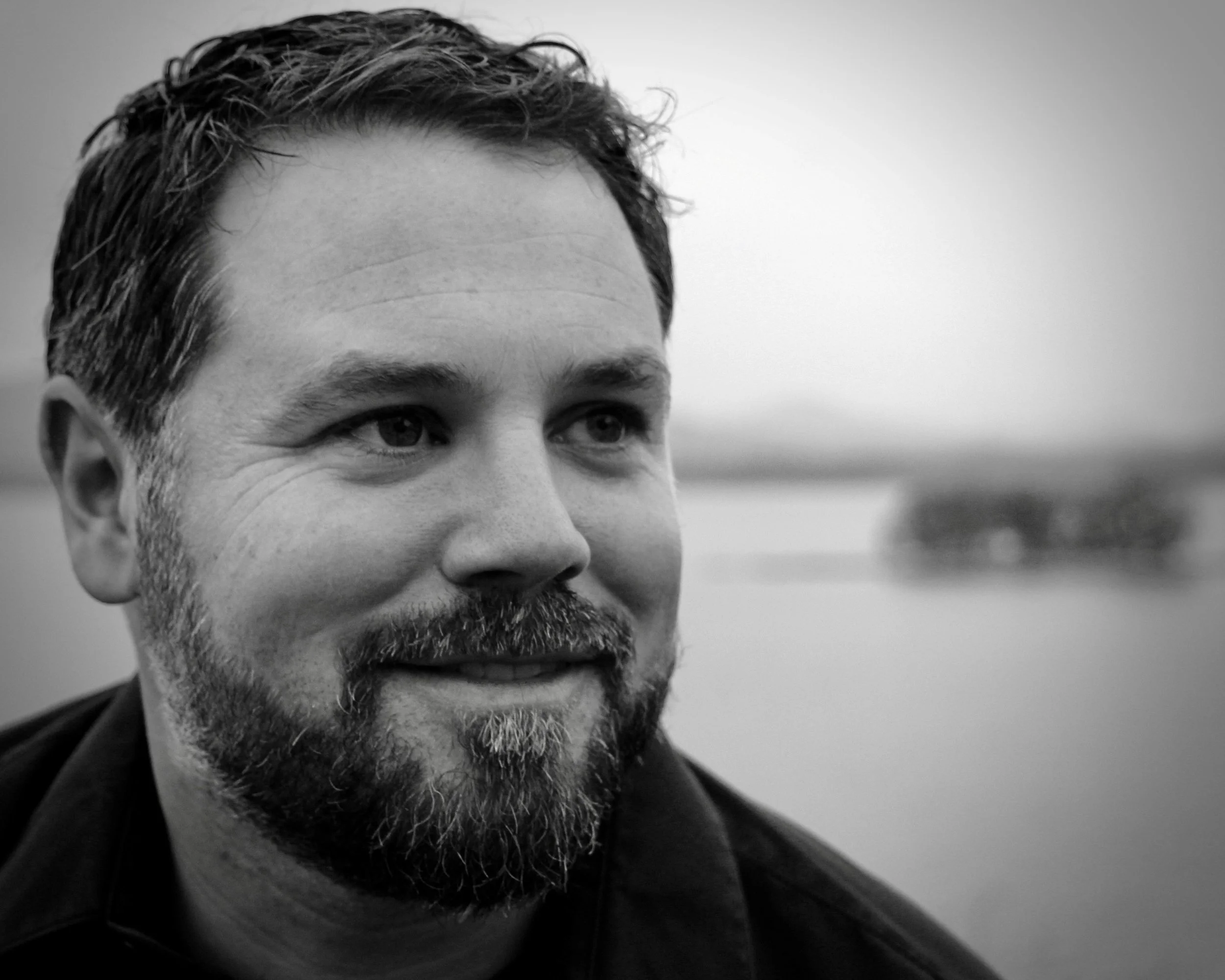
Conductor, composer, musician and educator Matt LaRocca will be the featured speaker Oct. 14 at The Phoenix. Courtesy photo
His talk, titled “Music as Resistance and Hope – Protest Songs and More,” will cover how music has been used as a powerful form of sonic resistance. In times of conflict, war, injustice and oppression, artists have pushed back in protest, creating music to challenge authority, shout dissent, and be an agent for change.
The presentation will include listening to and singing songs. Attendees are encouraged to contribute song suggestions to the discussion. A community playlist will be created with the group from this program. This is a free event with advance registration online.
The VSO also has a performance series titled “Strength & Hope” by its Jukebox Quartet, Oct. 15-19, with one show in Waterbury at Zenbarn on Oct. 19 featuring musical selections illustrating resistance, protest and change.
More about the speaker: A Waterbury resident, LaRocca holds degrees in chemistry and music from Middlebury College and a doctorate in music composition from Boston University.
He currently is the Vermont Symphony Orchestra’s Artistic Advisor and Special Project Conductor where he works on a myriad of non-traditional projects; he is a professor of composition/theory at the University of Vermont, and music director of the Champlain Philharmonic Orchestra. LaRocca’s strength is being a cross-genre composer, performer, and educator – you’re just as likely to see him playing with a rock band as conducting an orchestra.
LaRocca performs on the electric viola with Michael Chorney’s psych-rock improvisation ensemble Freeway Clyde and is a frequent collaborator with rock, folk, and electronic musicians. He’s written the string and orchestral arrangements for and performed with artists such as Guster, Grace Potter, Henry Jamison, Francesca Blanchard, and more.
More in November
The Vermont Reads schedule stretches across October and November with events around the state tied to the themes raised in “The Light Pirate.” The Humanities Council has a full schedule online. One of the dates will feature a presentation in Waterbury. On Nov. 12, the Waterbury Public Library hosts a talk by Vermont historian Howard Coffin, “1800 and Froze to Death: The Cold Year of 1816,” at 6:30 p.m. The year 1816 is renowned as the year without summer, when frosts were recorded in every month, dark skies persisted and the population worried that catastrophe was imminent. Coffin will share scores of anecdotes on the dark year of failed crops, scarce food, and religious revival.
Finally, the library plans discussions of “The Light Pirate” on Nov. 12 and 24. Look for more details on those events shared with the library’s November program schedule.