
Fungus among us: Is Waterbury a hot spot for blastomycosis in dogs?
September 2, 2025 | By Emily Crawford In the past several years, local veterinarians have seen a dramatic rise in the number of blastomycosis cases in our local pet population.
This disease is a threat to many mammals, but the habits of dogs put them at higher risk. Humans can develop this disease as well, so this is worth the read even if you don’t have a dog!
The author’s dog, Otter, at the Waterbury Reservoir. Dog owners should carefully choose outdoor locations to avoid areas where fungus could be present in soil. Courtesy photo
Blastomycosis is a disease caused by a soil-borne fungus in the environment. This organism is typically found in damp, dark places within and beneath rotting wood of fallen trees, deep leaf litter, and along shorelines.
Mammals are infected with this disease through direct inhalation of spores – usually when the ground is disturbed and the spores are aerosolized (become suspended in the air). In dogs, this happens when digging and sniffing. In humans, this can happen with excavation, gardening, etc. The spores go directly into the respiratory tract and can spread to the lungs and into the bloodstream. Blastomycosis can also be caused by entry into the skin via small wounds. This disease is NOT spread between and among dogs and humans.
It is important to be aware of the risk of this infection in our canine friends: seeking prompt veterinary attention and identifying the disease early provides the best chance for recovery.
Symptoms can be mild and vague and can be confined to one area of the body, or dogs can present with severe illness and symptoms. In dogs and humans, the disease most commonly affects the lungs. The nasal passages, joints, eyes, skin, and bones of dogs can also be infected.
The most common symptoms of blasto in dogs are coughing and/or malaise (lethargy, depression, not eating well) due to fever. Other symptoms can be cloudiness or redness within the eye, draining tracts on the skin (like small puncture wounds that ooze), breathing difficulties (fast shallow breathing, increased respiratory effort, wheezing), solitary or multiple lymph node enlargement, swollen or firm joints, or thickening of bones and lameness.
As you can see, the symptoms can be extremely variable and initially quite vague. Early recognition of these symptoms, leading to early diagnosis, gives our patients a much better chance at responding to treatment and clearing the disease. The prognosis (expected outcome) of this disease can vary widely depending on the area of the body the disease is located and at what stage it is diagnosed.
Making the diagnosis is done by testing a dog’s urine for the presence of the organism. This test is very sensitive in most cases and likely to detect the presence of the fungus. But sometimes we need to find the organism in skin, lymph nodes, or other tissue samples to diagnose the disease.
Treatment involves oral antifungal medication given twice daily for an average time period of six months. In some cases, treatment is needed for up to 12 months. Monitoring blood and urine tests during antifungal treatment is essential.
before & after treatment
Click to enlarge the X-ray images below. Photos courtesy of Waterbury Veterinary Hospital
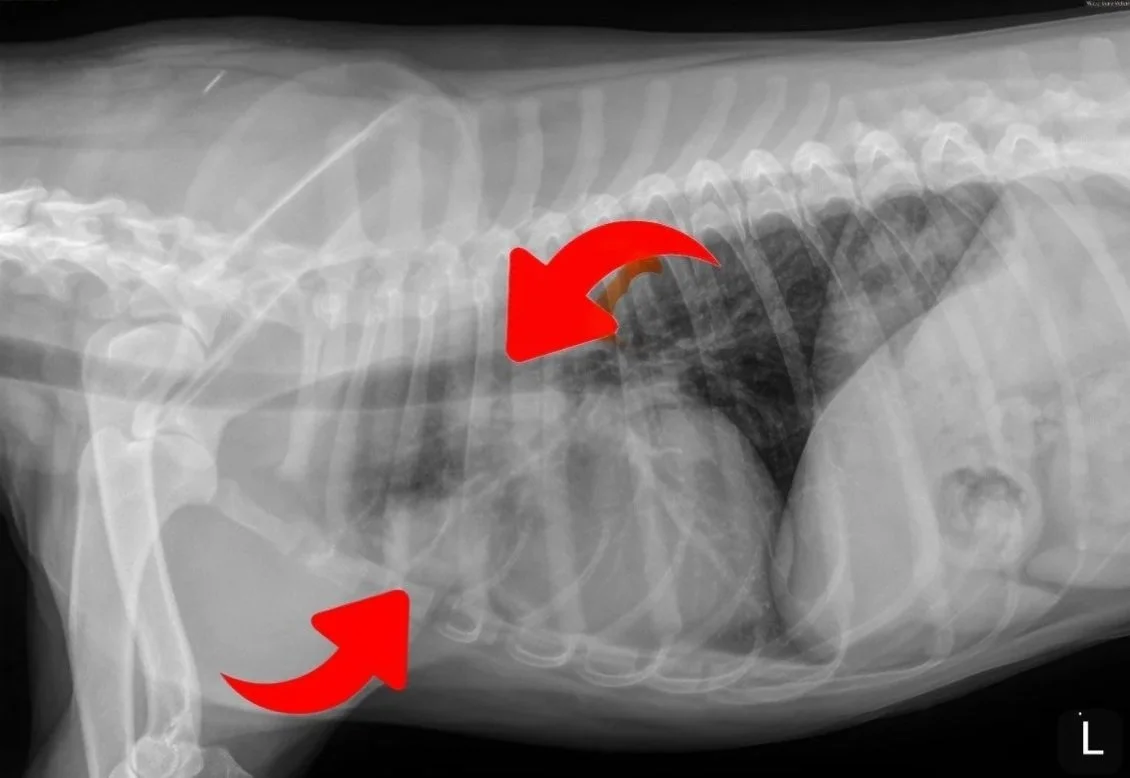
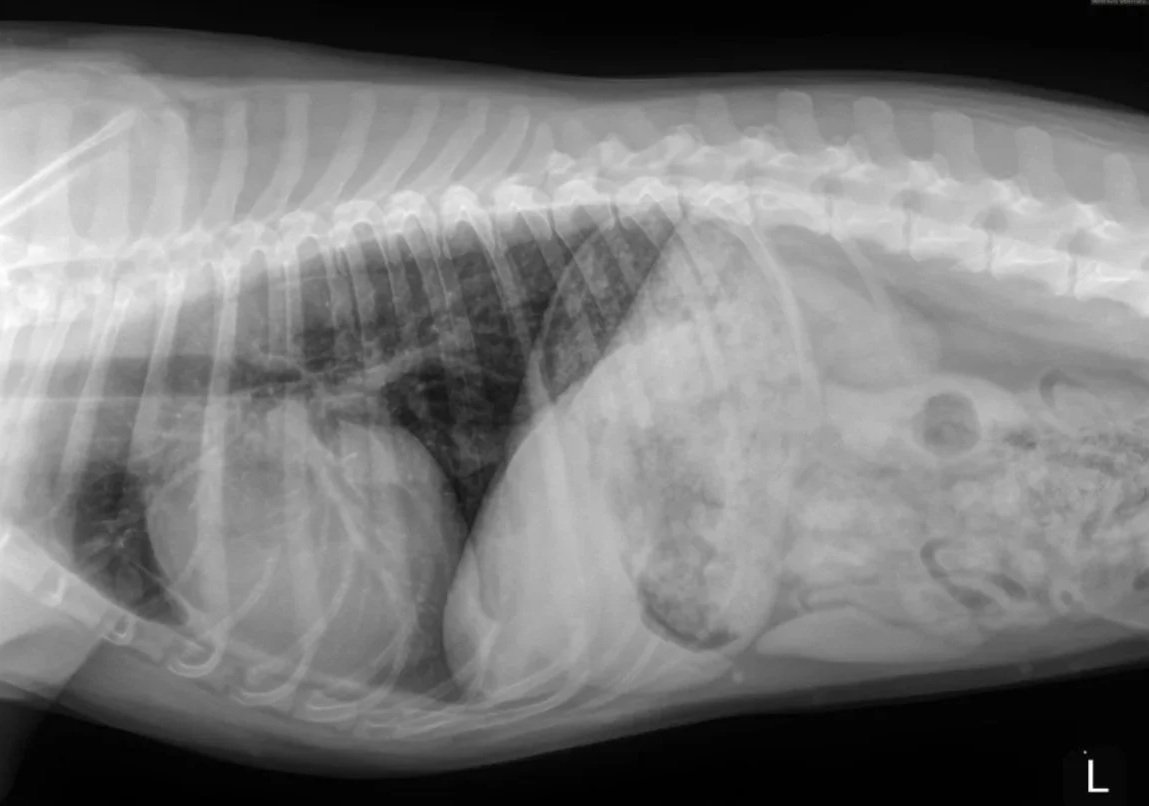
Disease spreading in the Northeast
The first blastomycosis case I saw in Vermont was in a dog from Stowe in 2008. I remember being shocked that the disease was in Vermont, as at that time it was considered a disease found in the upper midwest and in southeast regions of the United States. It was not considered a risk in New England. When I researched it further, I learned that there were a few recent cases seen in the St. Lawrence Valley.
Only very recently (since fall 2024) has it been recognized as a significant and reportable disease in Vermont. A reportable disease is one that health care officials are required to report to the state for purposes of tracking the prevalence and regional distribution of disease. Blasto is only reportable for human cases, not veterinary cases.
In a discussion with staff at the Vermont Department of Health, they explained that blasto became reportable in August 2024 after a study by local epidemiologists over nine consecutive years identified 114 total cases in humans. Most of the cases came from north-central Vermont (Lamoille, Orleans and Washington Counties).
While swimming is safe, kicking up silt along shorelines and sniffing can stir up blastomycosis organisms. Emily Crawford’s dogs Otter (top) with companion (Sadie).
According to Vermont Health Department data, 11 human cases were reported in Vermont between August 2024 and June 2025; in Washington County, the average incidence is 4.2 cases per 100,000 people per year.
This disease is now on our list of suspicions for our canine patients who present with a myriad of symptoms, and in all of those that have fever and just seem “off.” I have heard other regional veterinarians (namely specialists in the Burlington area) call Waterbury and Stowe a “hot spot” for blastomycosis. I suspect that flooding in recent years has lifted more spores onto the silty shores of our local waterways, ponds and lakes.
Unfortunately, there is no vaccine or effective way to prevent this disease. Prevention involves the avoidance of those areas where blasto may be found because our dogs love to sniff and dig, disturbing the soil and sandy shore areas where they may inhale the fungus. Our veterinary team is recommending that dogs be kept away from shorelines and sandy areas that have recently flooded.
My hope is that with awareness of this disease, more cases can be diagnosed early, allowing better treatment outcomes and canines cured. If you have any questions or your dog is exhibiting symptoms that might suggest blastomycosis, please contact your veterinarian for guidance.
More from public health sources
The Centers for Disease Control and Prevention has more information about blastomycosis online here.
The Vermont Department of Health shares these key tips for the public:
Be aware of the risk of blastomycosis for dogs and people in Central Vermont, especially in areas where the fungus is common: around water sources and areas with decaying organic matter (like fallen wood and leaves).
Seek medical attention promptly for dogs that are lethargic, coughing, having respiratory effort, or unexplained skin swellings or oozing wounds.
For people, watch for symptoms such as persistent cough, fever, shortness of breath, chest pain, or skin sores, and inform your healthcare provider about potential exposures.
People with weakened immune systems should take precautions—like wearing an N95 mask—when engaging in activities that disrupt soil. Those at high risk should consider avoiding activities that involve disrupting soil, particularly when it is windy.
In all species, early diagnosis and treatment are critical for preventing severe illness and complications associated with blastomycosis.
Emily Crawford, DVM, is the founder and a veterinarian at Waterbury Veterinary Hospital and has been practicing in Vermont since 2000.