
Climate resilience investment on Perry Hill trails tops $100,000
December 20, 2025 | By Lisa ScagliottiWaterbury Area Trails Alliance and Vermont Department of Forests, Parks and Recreation say their combined investment over the past year into the Perry Hill trails network has now exceeded $100,000.
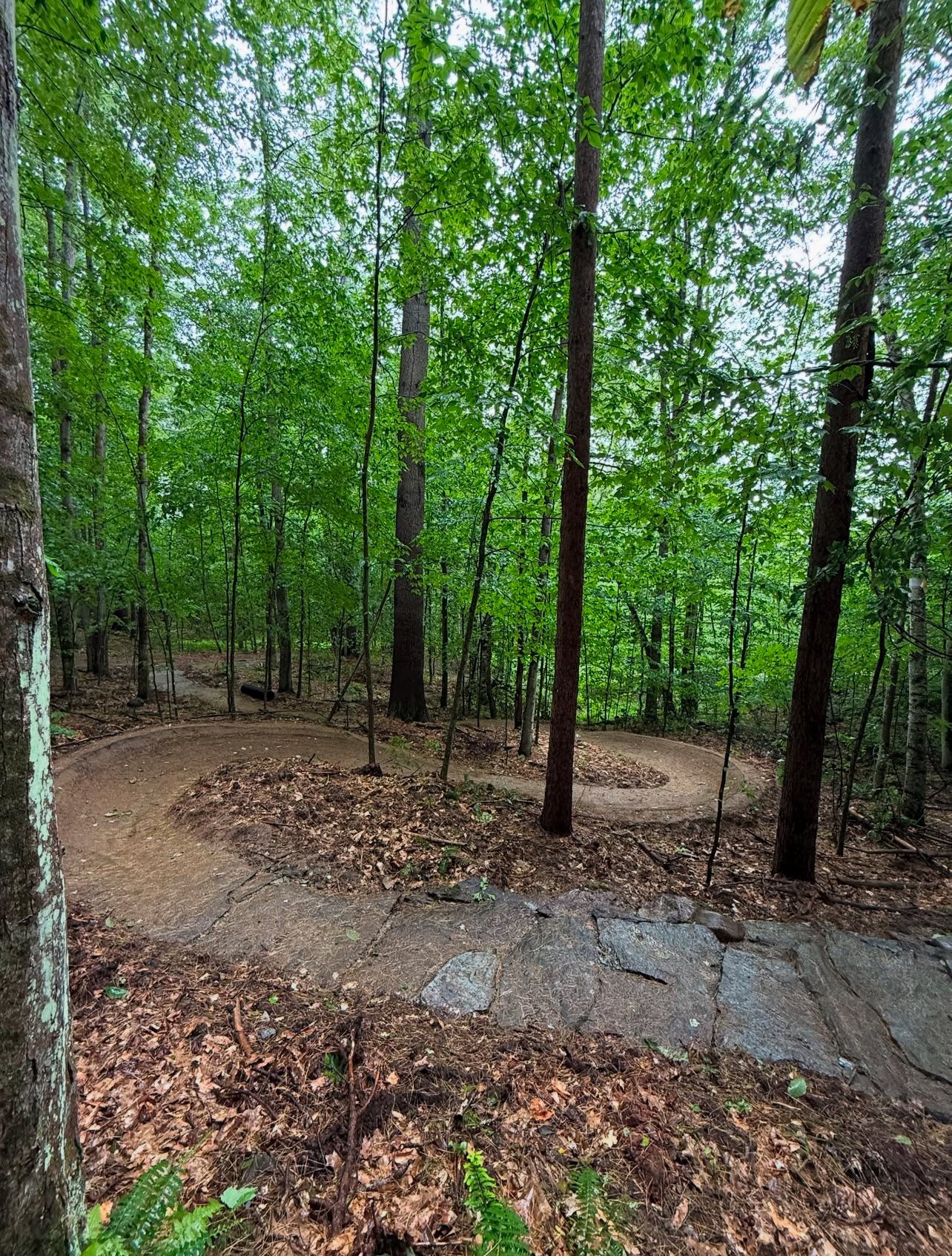
A finished section along the Campfire Trail that was rebuilt this past summer. Photo courtesy of L&D Trailworks
Work done in 2025 has focused on hazard tree mitigation, climbing trail resilience, and upgrades aimed at improving user experiences on the popular mountain-bike and multi-use trails.
The increased attention to the trails came after particularly wet and extreme weather in 2023 and 2024 in Waterbury and Vermont in general. During the July 2024 storm alone, trail managers said that Perry Hill experienced an estimated $30,000 of damage, including a washed-out bridge and extensive wash-outs along trail sections. The wet spring this year kept the upper trails consistently closed until early June – approximately a month later than in previous years.
These unpredictable conditions – from flash floods to invasive species – pose new challenges for trail stewards, explained Alex Showerman, trails director for the nonprofit Waterbury Area Trails Alliance.
Fortunately for the trails, the organization’s expertise in mountain bike/multi-use trails combined with the state’s environmental and natural resource experts are a good combination to address these issues together, Showerman noted.
Red pines in peril

Red pine scale cottony filaments. Photo by Allison Kanoti, Maine Forest Service via VtInvasives.org
One of the first projects they addressed was hazard tree mitigation, which began during the winter of 2024 by the state team that turned its attention to the red pine die-off affecting trees along the lower trails.
State experts assessed the area, flagging all trees along the established trail network to be cut down. This was key to reducing safety hazards across the network and the potential for wind events to down mass numbers of trees, Showerman explained. This project protected the Perry Hill trails against wide-scale damage similar to what occurred at Cady Hill in Stowe in 2017.
During this effort, state foresters identified the cause of the die-off as red pine scale. According to the Vermont Invasives website, red pine scale – also known as pine bast scale – is an invasive insect that kills red pine trees in the United States. Adult females are brick-red, wingless, soft-bodied insects with well-developed legs and antennae. They are less than one-quarter inch long, pear-shaped and coarsely wrinkled. The adult males are smaller two-winged, midge-like insects. Larvae are elliptical and lack legs and antennae, so they resemble waxy pods with tufts of white wool. Young adult males spin white, capsule-shaped, loosely woven cocoons, often visible on affected branches.
Red pine scale infestations are detectable as foliage color changes slowly from light green to yellow to red, and not during the typical fall foliage cycle. In addition, masses of cottony white filaments become visible on tree branches in cases of heavy infestations.
These were signs that foresters sought out in determining the work needed along the affected sections of the Perry Hill trails. Foresters worked last winter, while the insect was dormant, directly reducing the spread of the invasive species. Showerman said this project cost $30,000 and was funded by a state Recreational Trails Program grant.
State Lands Forester Dan Singleton said the results exceeded his expectations for the project. “What may look like a disaster to some, was actually the culmination of careful planning that involved a team of professionals,” he said.
Perry Hill poses challenges for vegetation management, Singleton said, given access constraints and the intensive recreation uses on the land. In addition, the project considered the impacts the tree removal would have beyond addressing the red pine scale infestation. The forestry District Stewardship team and other staff worked to juggle a myriad of issues including bat habitat, non-native plant spread, recreation use and even archeological impacts.
When it was time to remove the infested trees, Singleton explained that contractors worked to ensure that the dead trees were felled in a careful and controlled manner during a very narrow time window to protect the trails as well as the developing native young forest that will eventually replace the red pine stand in the years to come.
WATA’s role in the effort was to understand the project’s impact on the network and its users, keeping them informed as work progressed.
Rebuilding Main and Campfire trails
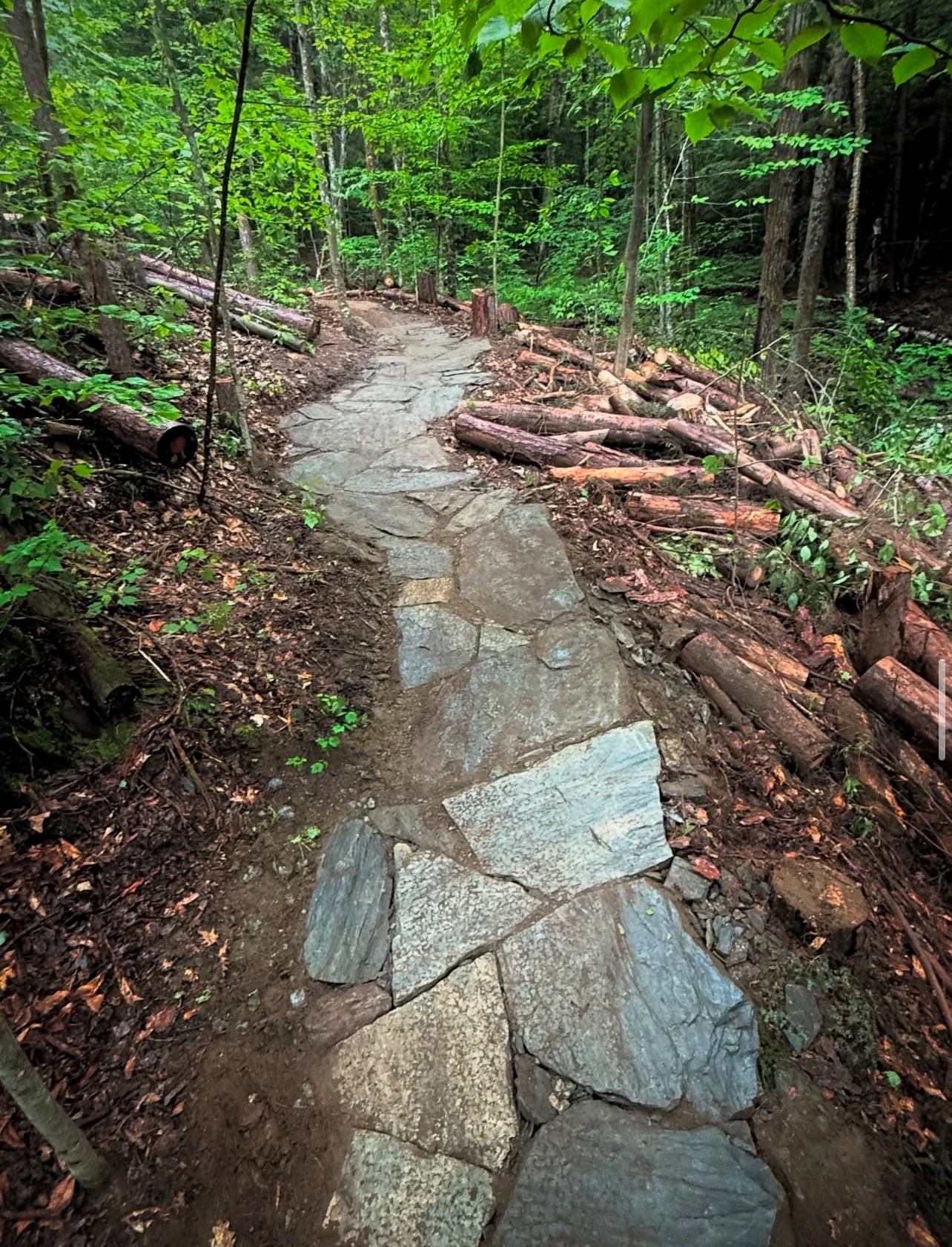
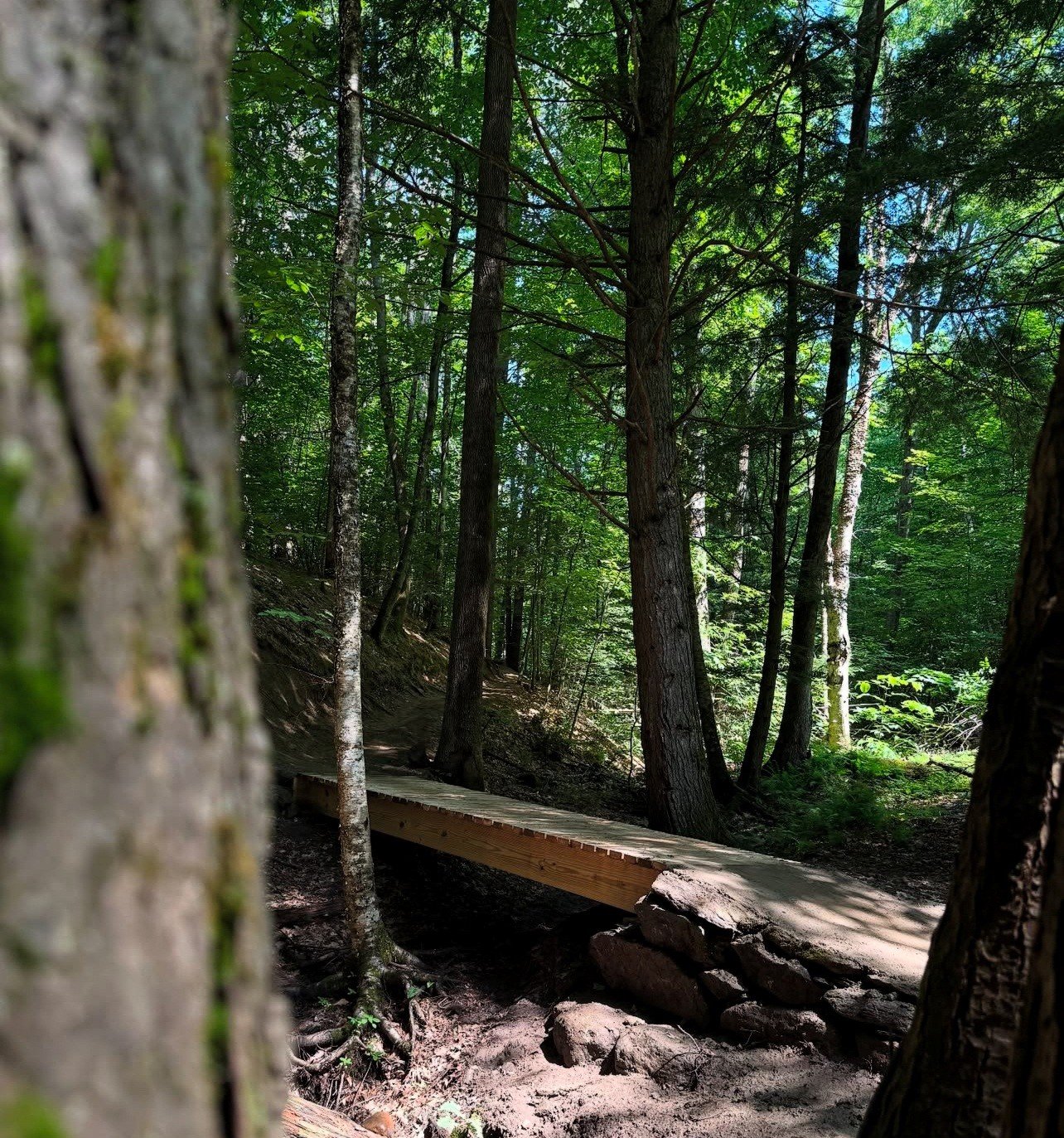
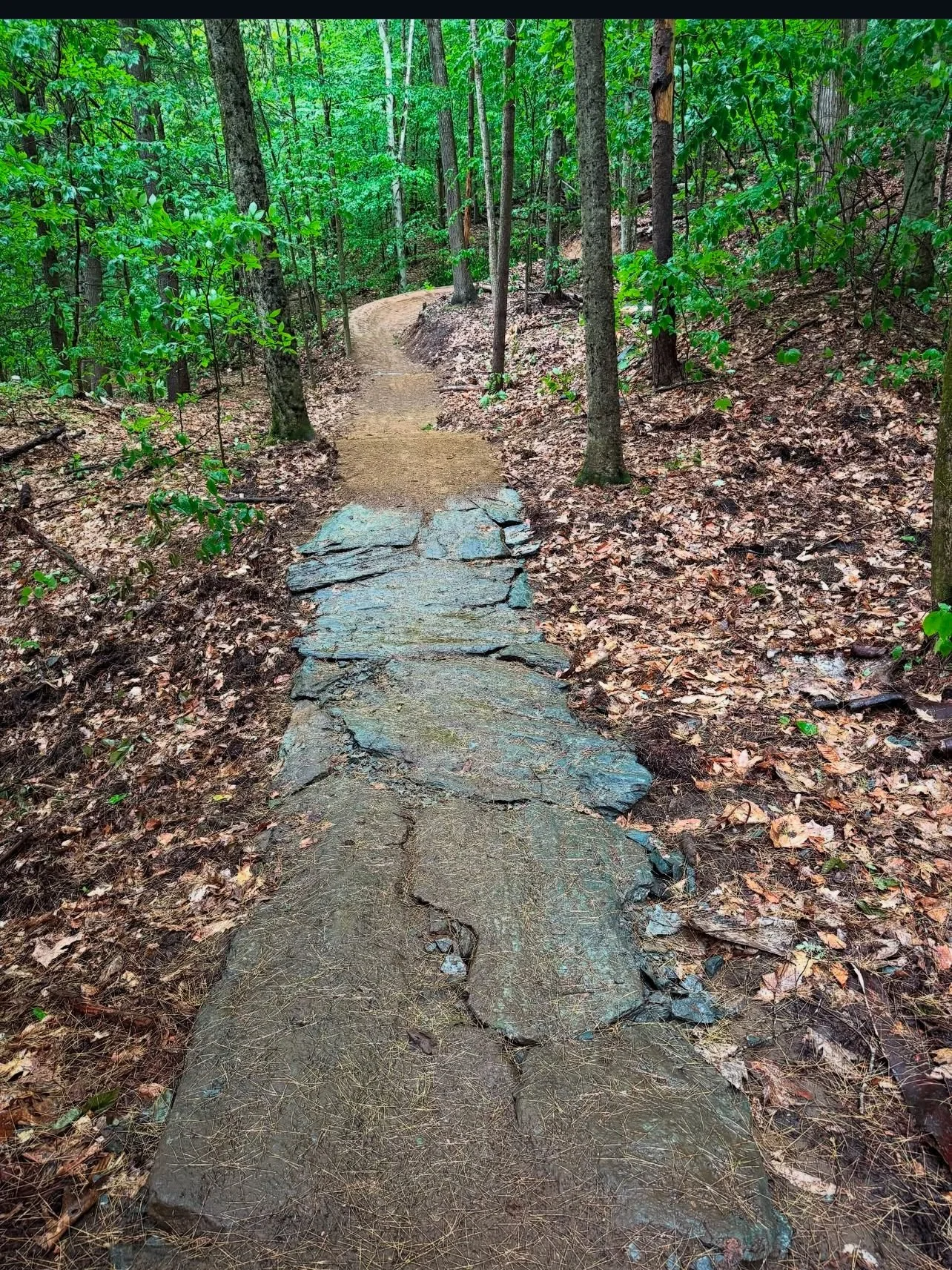
In another project, WATA worked with contractor L&D Trailworks from Rochester to rebuild the lower Main and Campfire climb along the Perry Hill network, addressing the part of the trail system most heavily damaged during the 2024 storms. This work contributes to protecting streams and water quality by following resilient trail standards, Showerman explained. It also brought the green-rated trail into a true beginner skill rating.
This project cost $32,500, paid for with a mix of WATA membership contributions ($18,500), a Vermont Mountain Bike Association trail grant of $7,000, and – for the first time in the organization's history – $7,000 from the Town of Waterbury.
Walter Opuszynski, District 4 Recreation Specialist in the state Department of Forests, Parks and Recreation, said the effort has made meaningful improvements. “The recent work that WATA has accomplished has not only made for a more sustainable network by reducing erosion and maintenance effort, but it has also broadened the rideability and improved the pedestrian experience,” he said.
Scotch and Red Tape trails rebuild
Looking ahead to summer 2026, WATA has been awarded a state Recreation Trails Program grant to rebuild the climb to the upper trails named Scotch and Red Tape. Showerman said WATA will match the grant with $25,000 for a total expected investment of $50,000.
This project will allow riders, hikers and runners to get out on the trails more, lessening the need for trail closures due to wet weather, Showerman explained. These upper trails often have to be closed after heavy rains due to sunken areas and poor drainage in this section of the climb. Planned improvements will look to protect the terrain by reducing stormwater erosion. In August, WATA chose L&D Trailworks for the project through a request-for-proposals process.
‘A massive team effort’
Downed trees in July are an example of typical storm damage along a trail that WATA volunteers will clear. Photo courtesy of WATA
Dan Potter, president of WATA’s Board of Directors, pointed out that much planning goes into these trail projects by both WATA as the trail steward and the state as the land manager. “WATA is very grateful to all the experts at Vermont Forests, Parks and Recreation who made this substantial investment in Perry Hill possible, as well as all the volunteers who give up their nights, weekends, and even afternoons to our amazing trails. This was a massive team effort,” Potter said.
Ultimately, Showerman pointed out, WATA and the state share the mission to inspire people to go outside more often. “This six-figure investment in climate resilience at Perry Hill furthers this goal,” Showerman said.
Now 10 years old, WATA is the second-largest Vermont Mountain Bike Association chapter with just under 1,300 members. Showerman said WATA volunteers this year logged more than 800 hours working on trail maintenance.
Waterbury’s trail network is enjoyed by local cyclists, hikers, etc. as well as visitors. WATA estimates that the Perry Hill trails network sees an average of 15,000 visits annually, with substantial increases since mountain bike trails were created at Little River State Park, also in Waterbury. An economic impact study done with Revitalizing Waterbury and the University of Vermont found that Waterbury’s mountain bike trails contribute approximately $1 million to the local economy each year.