
Four Democrats vying for three seats representing Washington County, Braintree, Orange, Stowe in Vt. Senate
July 22, 2026 | By Eric Blaidell | The Times ArgusMONTPELIER — Four Democrats are running for three seats looking to represent Washington County and the towns of Braintree, Orange and Stowe in the Vermont Senate.
Incumbents Ann Cummings, Andrew Perchlik and Anne Watson all are seeking reelection. If successful, Cummings would serve in her 15th term, Perchlik his fifth term, and Watson her third term. They are challenged by political newcomer Gabriel Lajeunesse in the state primary in August.
The three Democrats elected next month will go on to face Republicans Rob LaClair, of Montpelier, Christopher Neddo, of Barre Town, and Peter Schmeeckle, of Stowe, in the general election in November.
The candidates are listed alphabetically:

Sen. Ann Cummings. Courtesy photo
Ann Cummings
Cummings, a retired real estate agent and former mayor of Montpelier, said she wants to continue serving because she loves the work.
“I like making government work for people,” she said.
Cummings said she’s been actively involved in two of the biggest issues facing the state: education spending and healthcare costs. She said she’s been working on trying to make the state’s education funding system more efficient, while making sure children get access to an amazing education. Cummings said she’s also been actively working on reducing healthcare costs.
She said the state is starting to get a handle on healthcare costs, with hospital charges seen as a major driver. Cummings said Vermonters pay more at the hospital than those in surrounding states, and the University of Vermont Medical Center, the state’s primary hospital, is one of the most expensive in the country. She said the Legislature has been working with those at the hospital to restructure and bring down costs.
She said both the state’s hospital system and its school system were set up to address different needs at a different time. She said the work now is to restructure those systems so they reflect the present reality.
Cummings is known as a pragmatic lawmaker; she will attend public forums and discussions and tell those in the audience things they may not want to hear, like what they might want to accomplish or change isn’t quite as easy as others may make it seem. She said she’s naturally pragmatic, it’s part of who she is, but it’s also important that people have trust in their government, so it’s important to be honest with them. She said making promises that can be delivered erodes public trust.
Cummings said her experience in the State House is an asset, given the amount of turnover seen there. She said by her count, there are only three state senators left who served during the last economic downturn. She said the economic situation is such where revenues are again not keeping pace with expenses and affordability is top of mind. Cummings said it’s helpful to have people around who have made difficult decisions in the past and made it through tough times before so that people know it’s possible to come out the other side.
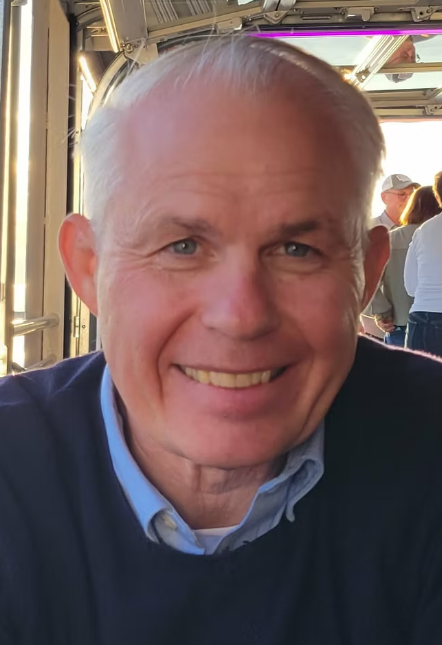
Gabriel LaJeunesse. Courtesy photo
Gabriel Lajeunesse
Lajeunesse, a financial adviser and real estate developer living in Montpelier, is running for public office for the first time. He said he decided to run because the state “is in such a rough spot.” He cited a recent poll that reported around four in 10 Vermonters are considering leaving the state in the next five years.
“We need some new voices. We cannot think that we can just keep going the way that we’re going; we’re going to bankrupt the state, or the only people who will live here will be wealthy people from New York,” he said.
Lajeunesse said his work professionally will assist him in the State House because housing is a major issue facing Vermont. He said he understands what the challenges are to building housing here and has served on Montpelier’s Planning Commission for nearly five years.
He said his work as a financial adviser will help balance the state’s budget. For education spending, Lajeunesse said the state’s education budget takes up as much as 7% of the state’s gross domestic product, or GDP. He said neighboring states, including New York, are around 2%. He said the state’s education budget is untenable. Lajeunesse said the reason residents are feeling pressure here is that they are paying three times what people in other states are paying.
If elected, he said he would start in on a multi-year effort to “right the ship.” Lajeunesse said the state is caught in a “doom loop,” a real estate phrase where factors are influencing each other in a downward spiral. He said the state can’t cut its way out of this and needs to invest smartly instead.
Lajeunesse said the answers have to come from Vermonters, not from local lobbyists pitching national legislation from special-interest groups. He said national lobby groups do not understand the issues facing Vermont.
With an aging state, he said there needs to be a focus on bringing in more workers for the workforce. He said there aren’t enough people here to do the available jobs. And he noted those who are trying to build a career here are the ones thinking of leaving because they can’t afford housing or healthcare and their expenses are too high.
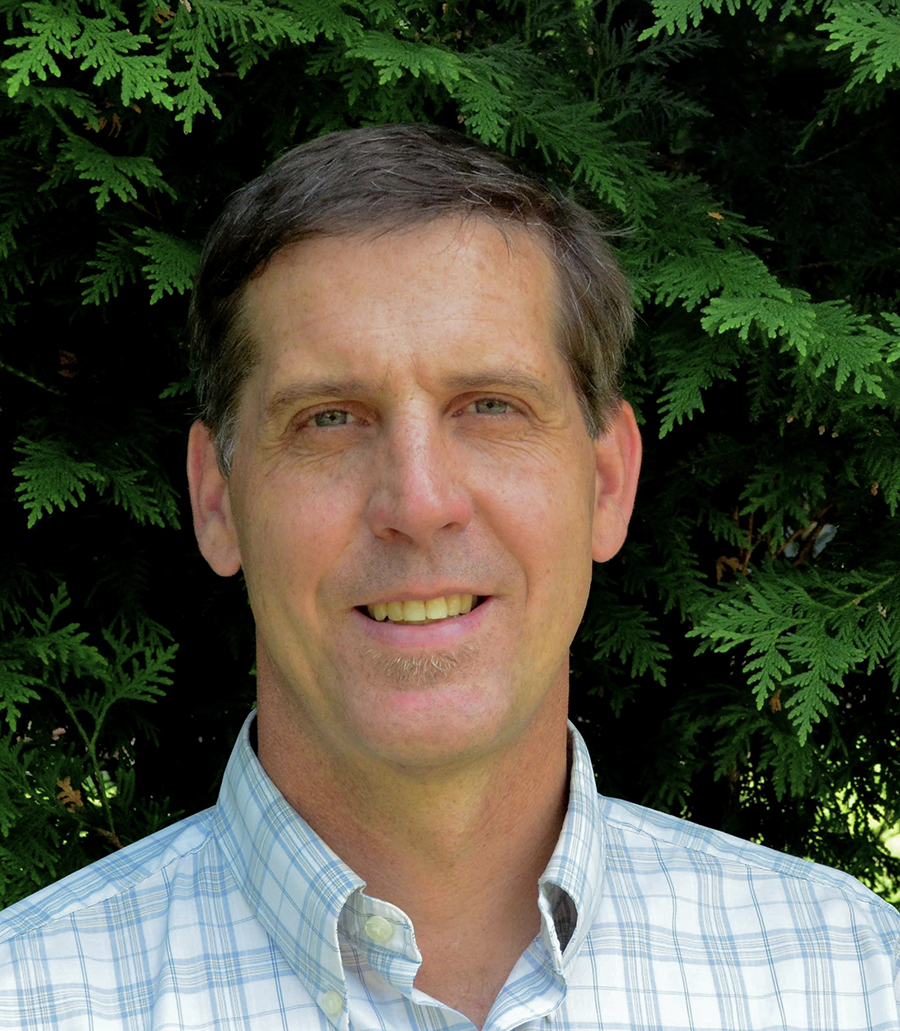
Sen. Andrew Perchlik. Courtesy photo
Andrew Perchlik
Perchlik, a Marshfield resident who works for the state’s Clean Energy Development Fund, said he wants to continue serving partly because he’s taken up a leadership position in the State House. Perchlik serves as chair of the Committee on Appropriations, which he said allows him to continue the good and rewarding work he’s been doing in Montpelier after taking some time to get his feet under him as a new legislator.
But chair of that committee isn’t where Perchlik’s ambitions end. He said he’ll wait for an official announcement if reelected, but he’s planning to throw his hat into the ring to serve as president pro tempore of the Senate, a position held by Phil Baruth, who is not seeking reelection. The position oversees the body and presides over the Senate.
Perchlik said he wants to serve in that capacity because he believes the body can operate more efficiently and effectively. He said when the session extends beyond its expected end date, that becomes a burden to legislators who work in a part-time capacity.
“I think the Legislature can do a better job with making sure we get out on time,” he said.
He said he wants to avoid the politics seen nationally and in other states, where there are bitter partisan divides and the legislative process either grinds to a halt or becomes fighting and legislators not working together. He said Vermont has shown that people can come together and work together, most of the time, on important issues, and he wants to make sure that continues.
Perchlik said he wants the Senate to work better both for legislators and for Vermonters.
He said he expects the next two years will continue to focus on reforming the state’s education system. Perchlik said he supports moving to a foundation formula for funding and supported the move in the last session where school districts were encouraged to merge rather than forced. Continuing to buy down taxes with surplus dollars isn’t a sustainable solution, so Perchlik said the state needs to act quickly to start saving money and controlling spending.
He said he’d also like to see more focus on growing the grand list and investing in economic development.

Sen. Anne Watson. Courtesy photo
Anne Watson
Watson, also a former mayor of Montpelier and a math and science high school teacher who now lives in Barre City, said she wants to continue serving because the work the state needs to do is pressing and important.
“We still need to solve the healthcare crisis. We need to continue to work on property taxes, making education sustainable and high-quality, and we need to continue to build housing, and we need a more sustainable planet,” she said.
Watson said all those issues are things she’s passionate about, and progress needs to be made.
She said she wants to see the state move to reference-based pricing for healthcare. She said the state is headed down that path, but it has not yet been realized.
Watson said she also wants to reopen the conversation about universal single-payer healthcare, where the costs for essential healthcare for all residents are covered by a single public healthcare system. Such a system was in the works during the Shumlin administration but was abandoned in late 2014 after state officials determined the plan was politically and economically unfeasible, given the high tax increases seen to run it.
Watson said she wants to see if the system is still too expensive for the state.
“We need to run the numbers to see what that looks like because it’s a different financial landscape now than it was under the Shumlin administration. We have so many families now that are just going without healthcare and we know that is a recipe for trouble, putting people into medical debt,” she said.
Watson said she supports taxing second homes to help bring in more revenue. She said the state again is on that path, but she wants to make sure it’s implemented well.
Watson said she’s concerned about not having available surplus funds in the near future to buy down tax rates, as has been the state’s practice in recent years. She said part of the solution could be finding ways to bring down education costs, but that must be balanced with what’s best for students. Watson said she’s skeptical that forced school consolidations are the answer, but she’s hopeful that cooperative education service areas, where back-office school services can be regionalized, will show some savings.