
Gray, Rodgers face off in contest for Vermont lieutenant governor
October 21, 2026 | By Keith Whitcomb Jr. | The Times ArgusThis story was first published by The Times Argus on Oct. 17.
Vermonters have some familiar faces to pick from when it comes to choosing who will serve as lieutenant governor.
Sitting Lt. Gov. John Rodgers, a Republican, is running against Democrat Molly Gray, who was Lieutenant Governor from 2021 to 2023.
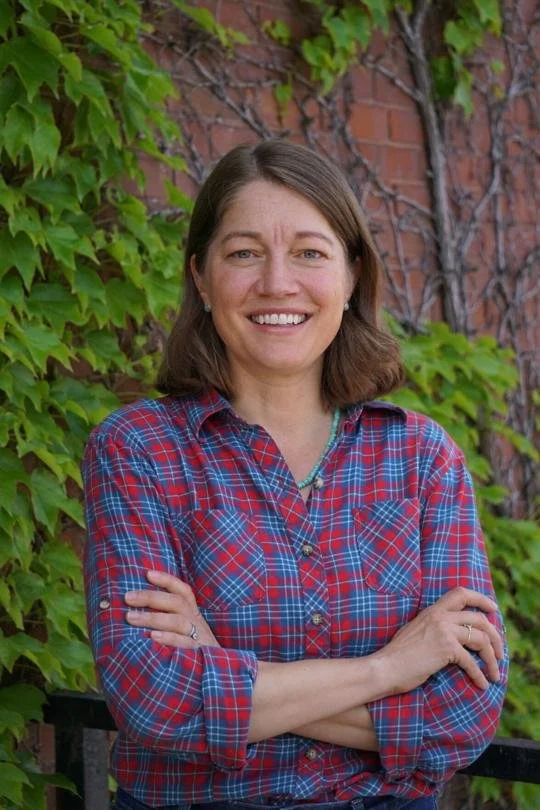
Democratic Attorney General candidate Molly Gray. Courtesy photo
Molly Gray
Gray was an assistant attorney general, 2018-2021. Rodgers was a state senator from 2013 to 2021; before that he’d served in the House, 2003-11. Rodgers was once a Democrat but changed parties in 2024.
“So much has changed since serving as lieutenant governor. I know this office, I know what it can be, and I have a keen understanding of the moment we’re in,” said Gray.
Since her stint as lieutenant governor, Gray said she has become a mother, helped care for her own mother, and worked with the Vermont Afghan Alliance helping Afghans who assisted the United States during the war resettle here.
“And for me, this is very important because not only is it part of Vermont doing the right thing, but also helping to grow our workforce and our tax base,” she said.
She said the state’s demographic problems have been a focus of hers and that she’ll advocate for investments that will make Vermont more affordable.
“What’s different in Vermont today is that we will continue to face, for the next two years, a federal government that doesn’t have Vermont’s best interests at heart and doesn’t necessarily want to see Vermont succeed,” Gray said. “And by the federal government, I mean the Trump Administration.”
Gray said the rising cost of healthcare is at the root of the affordability problem. She said Vermont’s education costs are being spurred by the cost of healthcare. The education financing system needs to change, she said, but school consolidation needs to be done from the local level up and be voluntary.
“My theory is that, yes, we need to transform our education system, but what we really need is to invest in universal primary care that we know keeps Vermonters out of costly emergency rooms for basic preventative care,” she said.
Housing is the other issue she’s focused on, Gray said.
“To be clear, the lieutenant governor doesn’t get to introduce legislation, but the lieutenant governor can help build support for key policy initiatives and also bring together the talent and skill and experience that we have in the state to help these big challenges,” she said.
She said the housing plan she supports involves helping towns take advantage of complex financial tools designed to spur housing development, eases the Act 250 process, and establishes some uniformity to development requirements across the state. It also supports the education and training of people in the building trades needed to construct all this new housing.
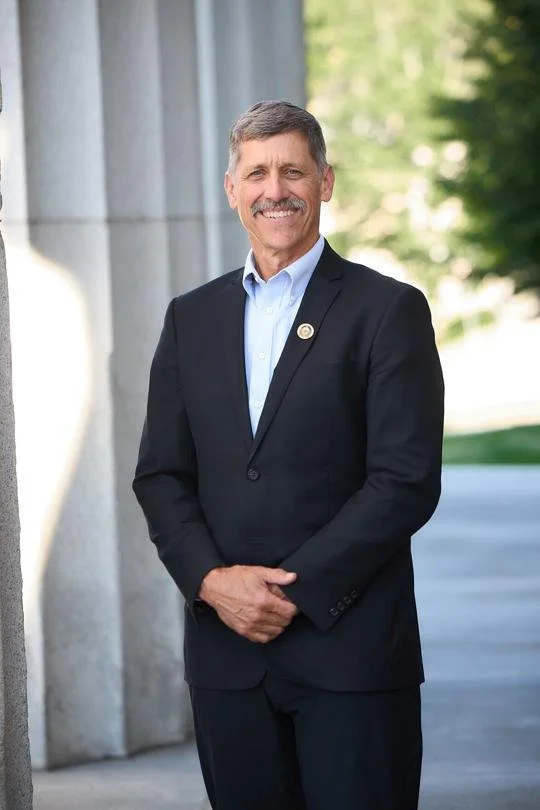
Sitting Lt. Governor John Rodgers (R). Courtesy photo
John Rodgers
Rodgers said that if reelected he will continue to use the office to advocate for Vermonters. He said that he’s frequently served as a go-between for citizens, elected officials and representatives, and state agencies, whether that’s helping lawmakers craft legislation or assisting people with wetland issues.
“I can advocate and I can be the bridge to help get stuff done,” he said.
Rodgers said that many people are telling him they can no longer afford to live in Vermont. He said that he’s called many of his past supporters who are telling him they no longer live in the state. He said he spoke to a couple, one of whom is a retired teacher, whose pensions no longer cover their tax bills.
“That is 20 years of liberals running the show in the Legislature that has made us the third highest-taxed state in the country, the state with the least economic opportunity in the country, the state with the highest healthcare insurance in the country,” Rodgers said.
He said that under the Democratic supermajority, taxes increased by double digits and legislation was passed that would have increased fuel costs and restricted property rights.
“It wasn’t bad enough they passed them, but the governor vetoed all of them, and they overrode all those vetoes. And at that point, having been a Democrat for 58 years of my life, I looked at the Democrats in the State House and said that party no longer represents working-class Vermonters, and that includes working-class Democrats,” said Rodgers.
He said he plans to advocate for more tech schools and similar opportunities for young Vermonters so they’ll remain in the state.
Rodgers said Vermont spends too much on school administration.
“I don’t believe small schools should be closed just because they’re small,” he said. “I think they should be closed if they’re not working for the students programmatically or if they’re excessively high spending, but if they can give kids a good education at a reasonable rate, small schools should be allowed to continue serving their communities.”
Rodgers said the state’s land use laws need to be improved. He said there’s been instances where businesses wanted to expand but couldn’t due to rules being applied in ways that made little sense, leading to millions of dollars in development leaving the state.
“I’ve talked to a bunch of businesses this year that want to grow and they won’t because of the cost and hassle of going through Act 250,” he said. “We have to have land use regulation that is timely, affordable and predictable if we want good businesses to develop and grow here, and that’s what we need to keep our kids here if there aren’t good-paying jobs and we can’t get the cost of property taxes and electricity and healthcare down, our kids are going to continue to go to other places that have more economic opportunity.”
Regarding the federal government, Rodgers said he’s fine with federal immigration officials arresting criminals, but when they go after people who are doing nothing besides working on farms, that’s a problem.
“The bottom line is, our federal government has failed for many years to fix immigration,” he said. “I’ve talked with farmers who told me, ‘If ICE shows up and takes my workers, the cows are going down the road the next day.’”
He said dairy is a multi-billion-dollar industry for Vermont and needs to be protected better.
“The farmers I talk to, if they didn’t have the immigrant workers, they would already be closed because they can’t find any local people that want to work that hard,” he said.
He said the state has many issues to address, but people being able to afford to live here is first among them. He said it’s more than just losing taxpayers and the workforce, it’s losing volunteer firefighters. Rodgers said he knows a family of people who all volunteer with their local fire department who all plan on moving to Tennessee soon due to the high cost of living here.
The General Election is Nov. 3.