Wildlife rabies vaccination effort starts May 2
April 27, 2026 | By Waterbury Roundabout As Vermont sees a significant increase in rabies cases among wild animals, state and federal officials will begin a rabies vaccine bait drop beginning May 2.

Rabies cases have risen sharply in recent years, with 66 rabid animals reported in both 2024 and 2025 – more than double the previous annual average number of cases. So far this year, 16 rabies cases have been reported. Most have been concentrated in Orleans County, with one each reported in Essex, Franklin and Bennington counties, according to state public health officials.
“With rabies activity rising, rabies vaccine bait drops are an increasingly important tool to protect people and animals,” said Dr. Natalie Kwit, a state public health veterinarian with the Health Department.
The U.S. Department of Agriculture will coordinate the bait drop with the Vermont departments of Health and Fish and Wildlife.
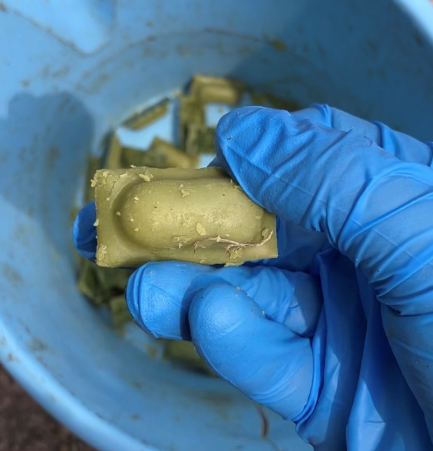
Over the next month, baited vaccines designed to attract raccoons and skunks will be distributed across 10 counties by airplane in rural areas, by helicopter in suburban areas, and by hand in residential areas. More information, including a full list of towns where bait will be distributed, is posted on the Rabies Vaccine Bait Drop Fact Sheet on the state Health Department’s website. Washington County communities are on the list which includes Waterbury and its neighboring towns and the Mad River Valley as well as Stowe to the north in Lamoille County.
During the rabies bait drops, the public is directed to leave vaccine baits where they land. Call the Vermont Rabies Hotline (1-800-4-RABIES) if a pet or child brings one home.
This vaccination effort is being done in addition to an annual statewide bait drop in August – the fourth consecutive year that Vermont has scheduled an extra bait drop in response to rising rates of rabies cases. Officials are working to understand why more animals are testing positive for rabies, and surveillance efforts to monitor the increase are ongoing.
Health officials explain that rabies is a viral disease that is deadly if people don't receive medical care before symptoms start. It is primarily spread through the bite of an infected animal. In Vermont, the disease is most often seen in raccoons, skunks, foxes, bats and woodchucks – but pets and livestock can also get rabies if they have not been vaccinated. Human rabies cases in the U.S. are most commonly caused by contact with bats.
Some tips to protect yourself and your pets:
Call the Vermont Rabies Hotline (1-800-4-RABIES) if you see a sick or strangely behaving animal, or wake up to a bat in your sleeping area.
Do not touch or handle wild or stray animals, including young mammals. Learn more about what to do when you encounter a stray animal from the Department of Fish and Wildlife.
If you are bitten by an animal, wash the wound well with soap and water and contact your health care provider.
Make sure pets are up to date on vaccinations.
Keep pets indoors at night and supervise them when outside.
More information is online at HealthVermont.gov/rabies.