
COMMENTARY: Slow down for mountain lions
February 11, 2025 | By Jason Batchelder, Andrea Shortsleeve, John Austin, Alison Thomas and Justin StedmanA campaign is underway to bring mountain lions to Vermont, led by the nonprofit Mighty Earth. As the state agency that would be responsible for these cats if Mighty Earth succeeds, the Vermont Fish and Wildlife Department is asking mountain lion advocates to slow down.
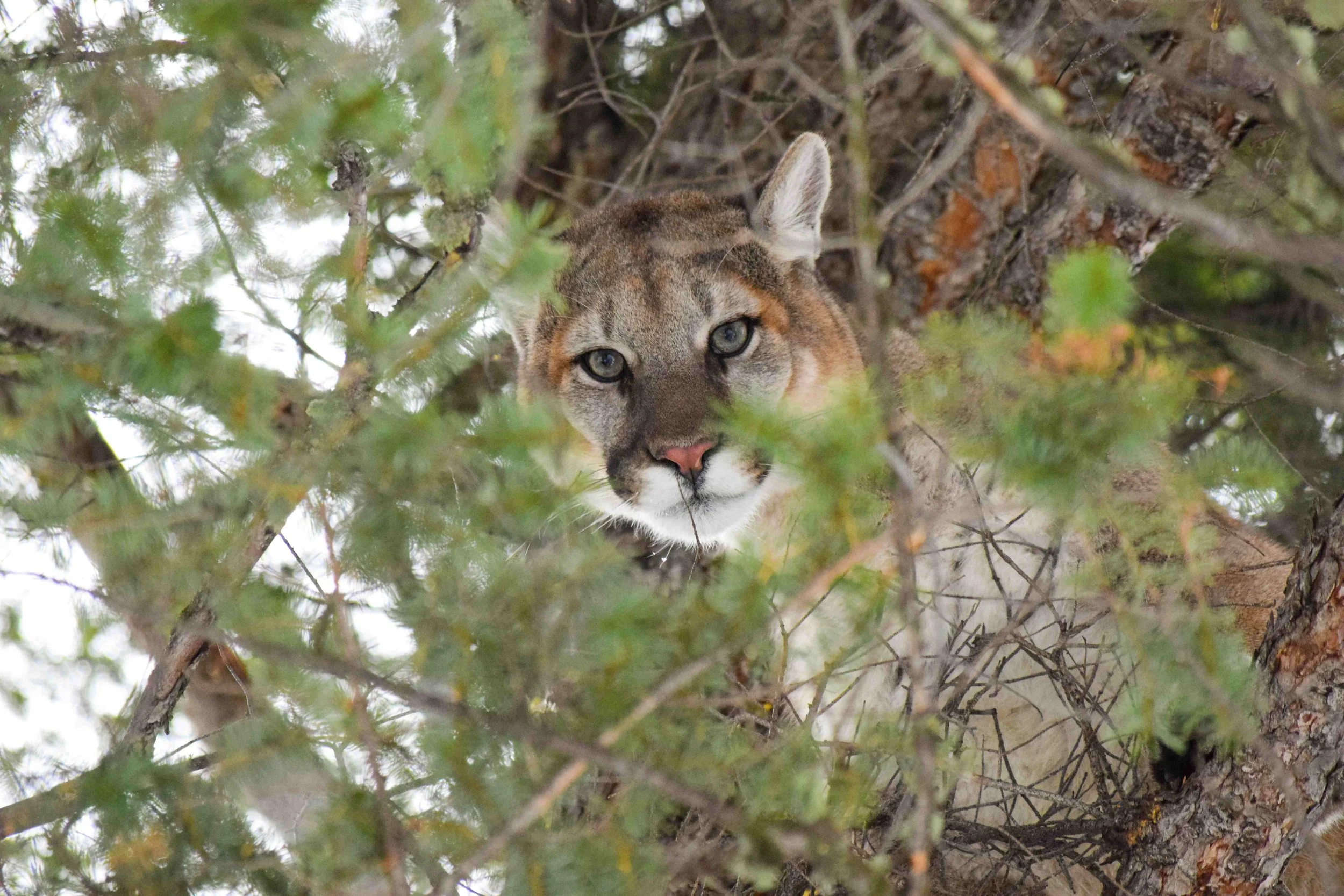
This mountain lion image is captured by Connor Meyer for the U.S. National Parks Service
We are biologists, game wardens and environmental educators who have dedicated our lives to conservation. We love Vermont’s wildlife and wild places, and we can appreciate why some are excited to bring back a native large carnivore. We share the dream of a wilder Vermont, but even so, we need Vermonters to understand that reintroducing mountain lions would be much more complicated than it might appear.
Mountain lions are top predators that have not had a breeding population here since the 1800s. Mighty Earth recently told the Washington Post they wanted to have “paws on the ground in four years.” That is, to put it mildly, unrealistic.
We do not know enough about how mountain lions would do in today’s Vermont, or how Vermonters would do with mountain lions, to support rushing into this.
Early research on habitat and public attitudes in the Eastern United States suggests mountain lion reintroduction might be possible. And yet these studies raise as many questions as they answer.
Just how far, and how fast, could the mountain lions spread? What are the likely impacts to farmers, pet owners, hikers and other trail users? What would the return of this large carnivore mean for Vermont’s deer and other prey species? What changes to our roads and highways would be needed to accommodate these far-roaming cats, and, at the risk of being blunt, how many will still end up as roadkill?
The list of unknowns goes on. Many of these research gaps are substantial enough to warrant standalone, peer-reviewed treatment in a scientific journal. But Mighty Earth is prematurely pushing for a broad-brush feasibility study.
That is putting the cart before the horse; the kind of comprehensive research initiative needed to arrive at answers that stand up to peer review will take time. It needs to be complete before we can honestly assess the feasibility of this proposal. And it needs to be complete before we can responsibly grapple with deeper questions like whether bringing mountain lions here is the right thing to do, both for our communities and for the cats themselves.
Beyond the scientific and moral questions, there are also stark realities Vermont will have to face if we are serious about living alongside mountain lions.
Who will be held accountable when a cat kills livestock on private land? What happens when one becomes too comfortable around people and dens near a home or a school?
States with mountain lions have dedicated agency staff and significant, long-term funds specifically to meet the responsibilities of coexisting with these powerful animals. Vermont would be starting from scratch, and rushing will not set us or the mountain lions up for success.
Rushing will, however, jeopardize Vermont’s ability to earn the consent and collaboration of our neighboring state, provincial and tribal governments. Other wildlife agencies in the Northeast have already expressed unease about the prospect of Vermont moving forward alone. Mountain lions released in Vermont are virtually certain to cross our borders into Massachusetts, New Hampshire, New York and Quebec.
Without our region’s complete buy-in, reintroduction will not end well for us, our neighbors or the mountain lions.
So, for the sake of the cats, we are imploring mountain lion advocates to pump the brakes.
This commentary is written by Jason Batchelder, commissioner of the Vermont Fish and Wildlife Department; Andrea Shortsleeve, chief of operations; John Austin, director of the Wildlife Division; Alison Thomas, director of the Outreach Division; and Justin Stedman, director of the Game Warden Service.
They share this link to testimony made on Jan. 27 by Peter Brewitt, director of UVM’s Sustainability, Ecology & Policy Program, to the House Committee on the Environment regarding the bill H.473, an act relating to the reintroduction of catamounts to the state of Vermont.