LETTER: Beavers can assist in times of drought
To the Community,
Vermont is experiencing a severe drought with no rain in sight. Springs, streams, and some rivers are dry. Wells are running dry, and Lake Champlain is at historic low levels. I am writing this as a very concerned conservation biologist witnessing the dramatic and alarming effects of this seemingly endless drought.
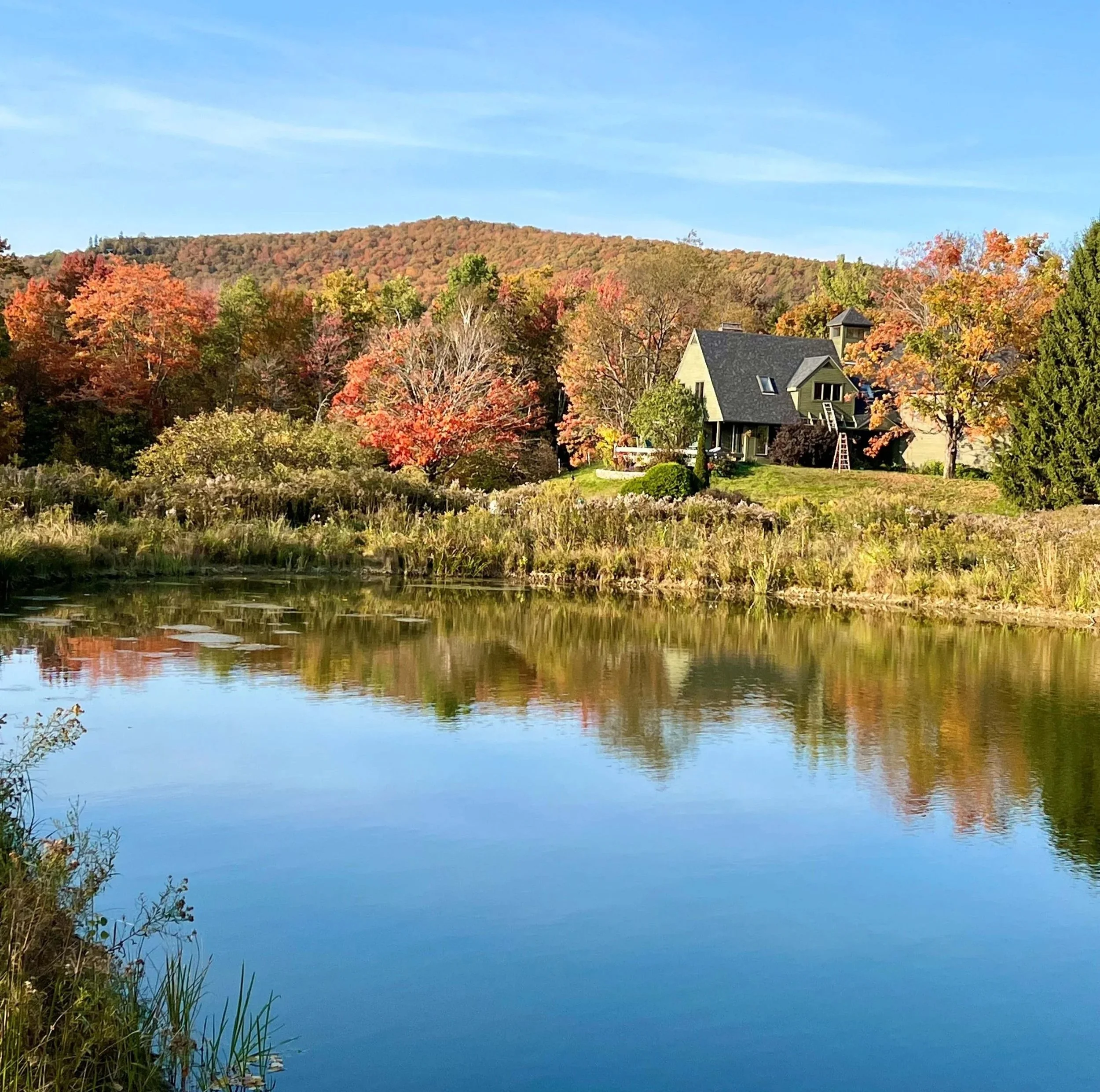

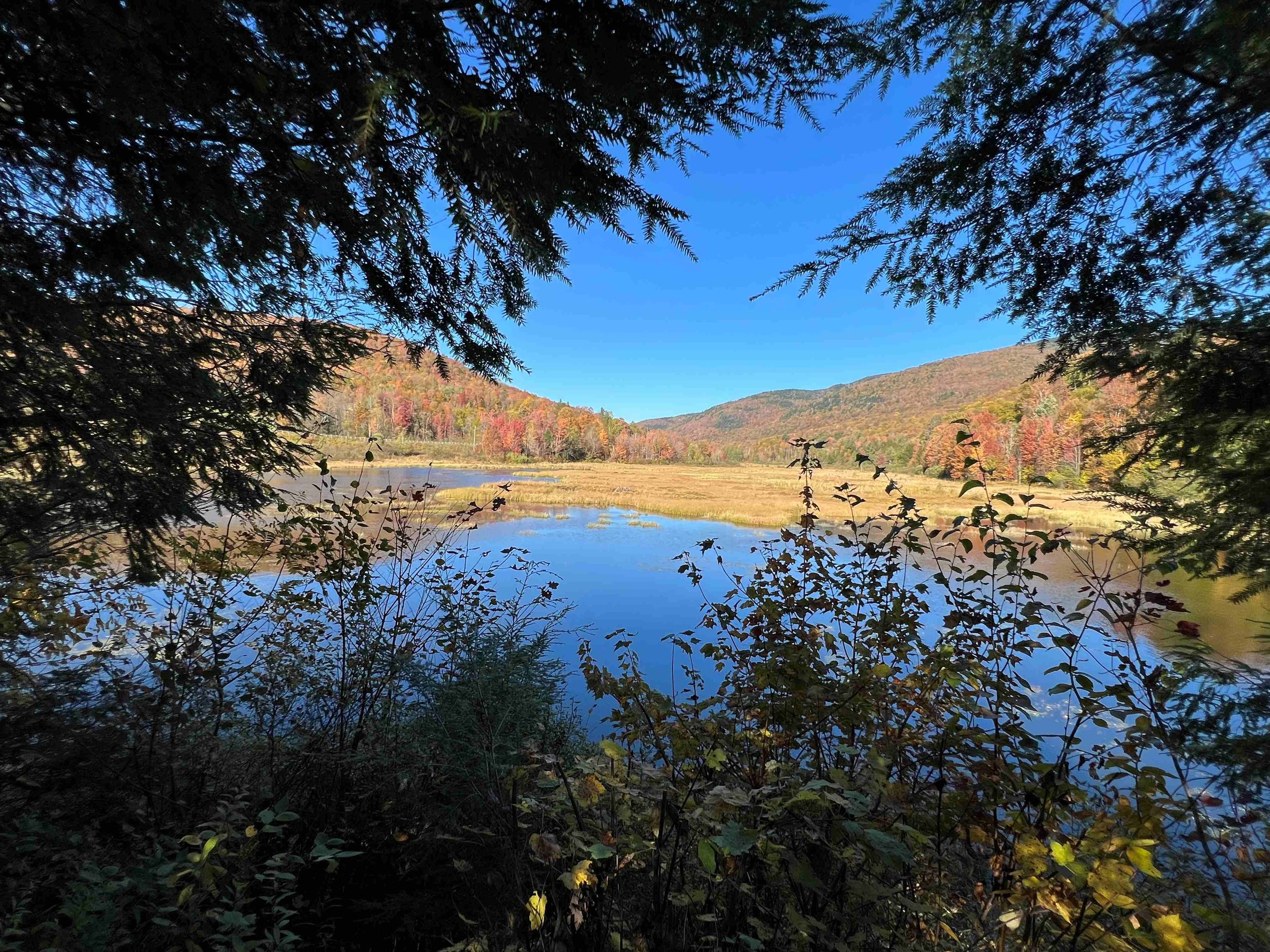
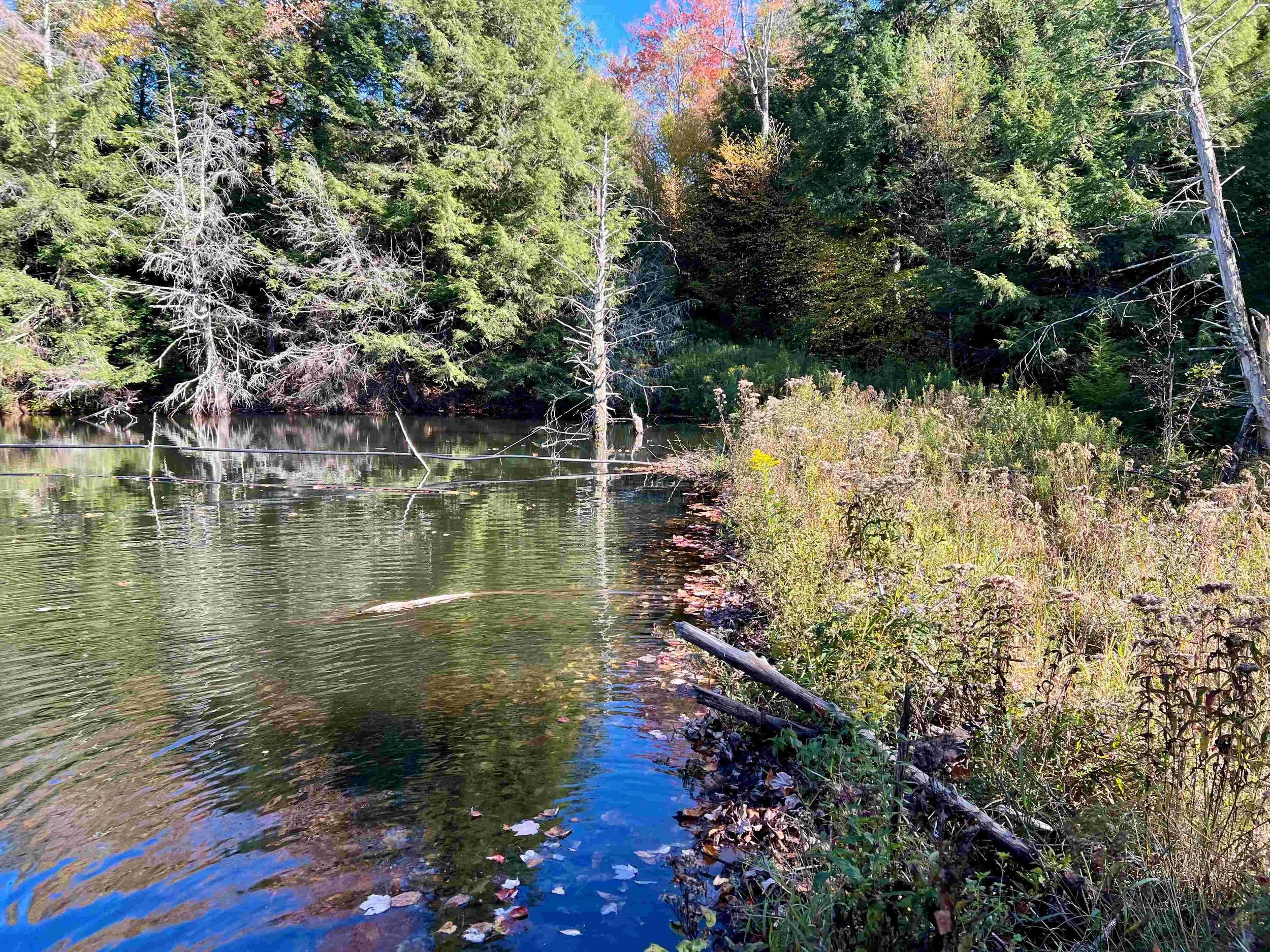
If you live near or pass by a beaver pond regularly, you will notice that they haven’t gone down much, if at all. I encourage you all to go out, find a beaver pond or wetland, and see this phenomenon for yourself.
My family has a spring-fed pond, normally quite large and about seven feet deep in the middle. But right now, it is about two feet deep at the deepest part, with at least five feet of exposed shoreline and no water entering at all. Just to the north of our property is a Class II beaver wetland with several ponds. They are full of water, and the surrounding landscape is lush and green. (Click the photos to enlarge and view captions.)
As a keystone species, beavers create, enhance and maintain habitat that countless other species rely on for survival. As ecosystem engineers, beavers change the landscape by converting small streams into vast dynamic wetlands, swamps and meadows. Many studies, dating back to pivotal research done in Alberta, Canada, in the early 2000s, have demonstrated that beavers can release water stored underground in wet periods during droughts (find the study here).
This is incredibly important for wildlife, plants, and even livestock in some places. So, why are we allowing beavers to be trapped and killed starting at the end of this month when the trapping season opens? Shouldn’t the Vermont Fish and Wildlife Department issue a moratorium on trapping beavers to preserve any wetlands we still have and protect the remaining sources of water for struggling wildlife and ecosystems?
Recently, I wrote to the Fish and Wildlife Board and commissioner asking for a moratorium on beaver trapping this year. My request fell on deaf ears. I was told the beaver population is stable and trapping has no impact on it. But killing just one beaver in a pond or wetland can destroy a colony and collapse the wetland ecosystem. Beavers are very territorial and maintain their habitat in tight family groups dependent on two adults. Killing one or both adults results in killing the entire family by starvation or predation. Without the beavers, the wetland dries up and becomes a meadow.
When beavers come into conflict with human infrastructure, usually by flooding roads, efficient and effective flow devices can be installed to maintain water levels in ponds and allow coexistence. This should be the priority of any management program. Because beavers are critically important for their ability to mitigate the effects of climate change, there is no justification for any recreational trapping of this species. Rather, they deserve our protection as they provide ecoservices we, and countless other species, will depend on more and more as the climate crisis intensifies.
Jennifer Lovett, MS
Starksboro
A conservation biologist, Jennifer Lovett lives in Starksboro and is particularly interested in the role beavers play in mitigating the effects of climate change. She is the author of the children’s book, “Beavers Away!” published in 2016 by Beaver’s Pond Press.