Rep. Stevens: Committee finishes work on budget bill
March 21, 2026 | By Rep. Tom StevensIt is Friday night, March 20, as I sit to write this column. With a unanimous vote of 11-0, the Appropriations Committee approved a budget proposal for Fiscal Year 2027. This marked the end of committee crossover for financial bills in the House of Representatives. Policy bills, for the most part, had crossover last Friday, and those were heard this past week. The budget will be on the floor at the end of next week.
Finalizing the budget proposal this year proved exhausting, as we are in the second year without the backing of COVID-era federal funding, as well as dealing with new and chaotic pressures coming from the current administration. The federal government has stripped funding and changed rules in so many places that it is hard to keep track. Our legislative lawyers and our fiscal staff have worked overtime providing us with frequent updates. What it meant for us in Appropriations was constant worry and wariness as we tried to shape a bill.
We received the governor’s budget proposal at the end of January. The weeks since have been filled with testimony, first from the executive branch and the state departments, and then from various organizations that provide services to Vermonters. The budget carried over a surplus from Fiscal Year 2026. The governor, with the first crack at the budget, presented a very tight budget proposal, choosing to propose using the surplus for another year of buying down an expected property tax increase. This was done last year, and it provided some tax relief to property owners. The downside of that relief was that it didn’t lower the expense of education, and we needed to pay it back. That meant that 50% of the increase in property taxes as estimated in the December 1 letter would be due to paying back the buy-down. This is not responsible financial stewardship, in the opinion of many, and it limits how we can help Vermonters.
The governor’s budget made choices, and the result was that many organizations and state departments were not funded at a level that would provide stability to the organization or to the services they provide. By the end of February, we received over $230 million of funding requests, and we learned that we had approximately $15 million in available funds. I cannot tell you how difficult it is to listen to fellow Vermonters who are trying to make life better for other Vermonters and know that you won’t be able to fund them. We had to make hard choices — I can’t say that we funded priorities, because each need was a priority. By the end of this week, we found another $8 million throughout the budget to help fund these needs.
We have returned to doing an austerity budget, which means that we are choosing to budget to a number rather than to a need. We are not unique. States across the country are finding that increases in areas like health insurance and care, infrastructure, pensions and education, coupled with a lack of political will to raise revenue from those who have benefited from the recent tax cuts for the wealthy, are hamstringing their ability to help lower- and middle-class residents weather the current chaos.
We will officially vote on the bill on Monday, March 23, and it will be debated on the floor on Thursday and Friday. If it passes, it will go to the Senate for a month or so, and then we will work on settling our differences. This is the normal procedure. Because it is the end of the biennium, the final negotiations both with the Senate and the governor promise to be difficult, and I expect that the session will be extended.
As always, please reach out with questions. I remain honored to represent you in the House of Representatives.
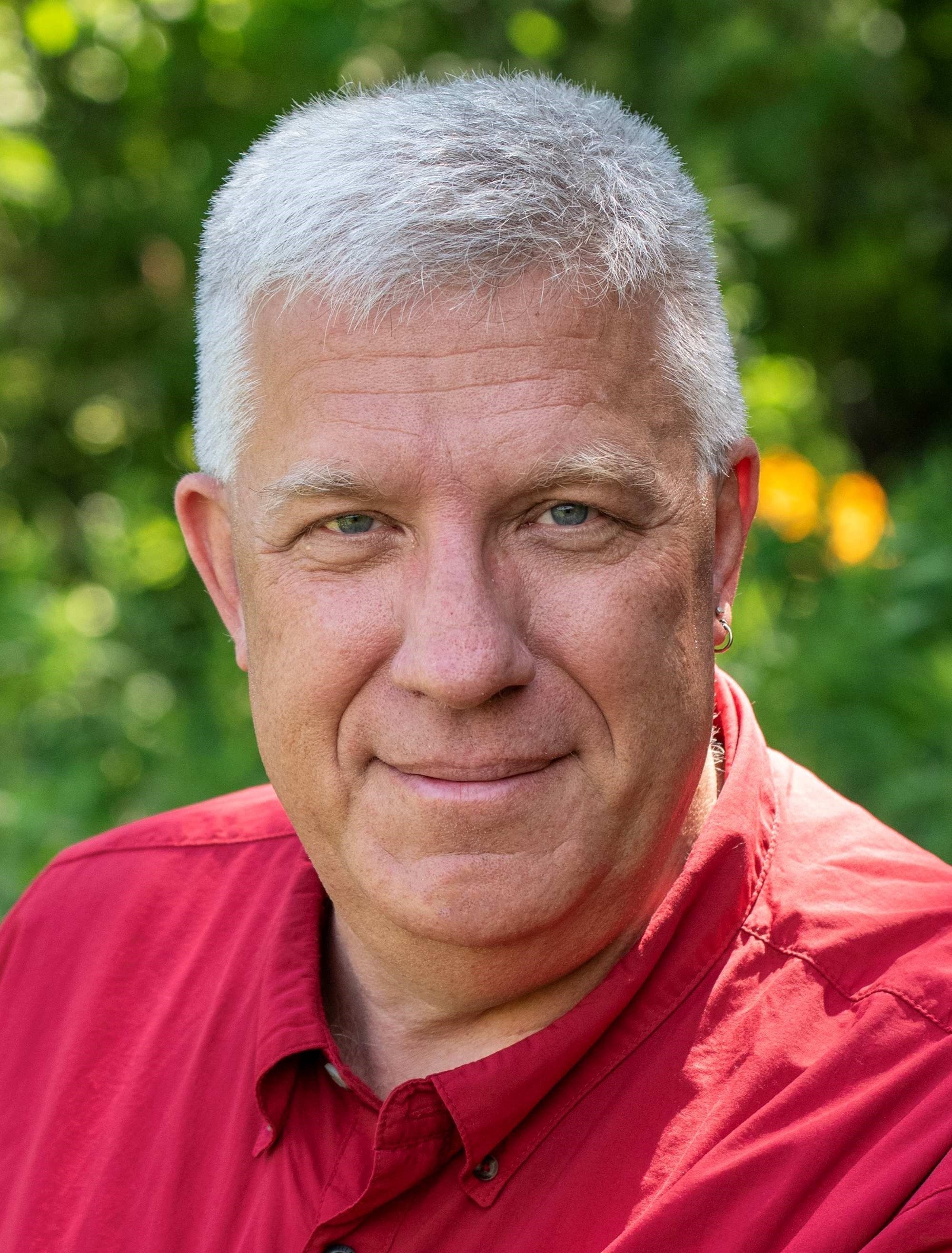
Rep. Tom Stevens, D-Waterbury, is one of two representatives in the Washington-Chittenden House district representing Waterbury, Bolton, Huntington and Buels Gore. Stevens serves on the House Appropriations Committee. Contact: tstevens@leg.state.vt.us