
Birdfeeding season begins with ‘irruption’ forecast; annual bird count is Dec. 26
December 4, 2025 | By Lisa Scagliotti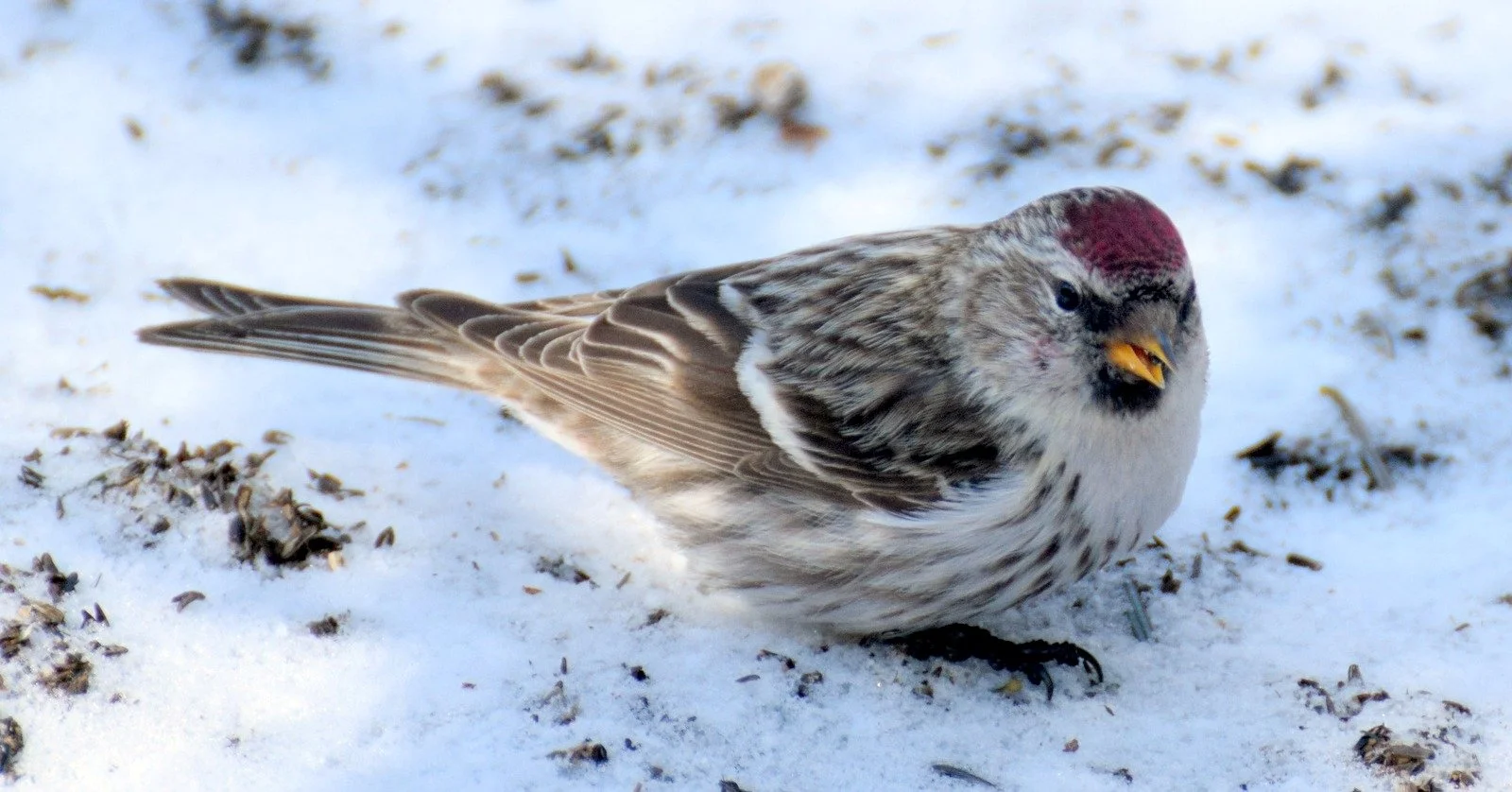
A common redpoll looks for snacks. Vt. Fish & Wildlife photo
The Vermont Department of Fish & Wildlife reminds Vermonters that it’s probably safe to put out those backyard birdfeeders, as bears are likely taking their winter break.
With feeders out and leaves down, Audubon’s annual Wild Bird Count is also around the corner, scheduled for Friday, Dec. 26. And forecasters say this winter may see a bump in bird activity in our region – referred to as an “irruption” – which might mean a wider variety and just more birds to observe this winter.
According to wild bird experts, an irruption occurs when species that typically breed to the north of us and migrate only short distances in the winter come further south and in big numbers in search of food due to a lack of adequate food supply in their usual winter haunts.
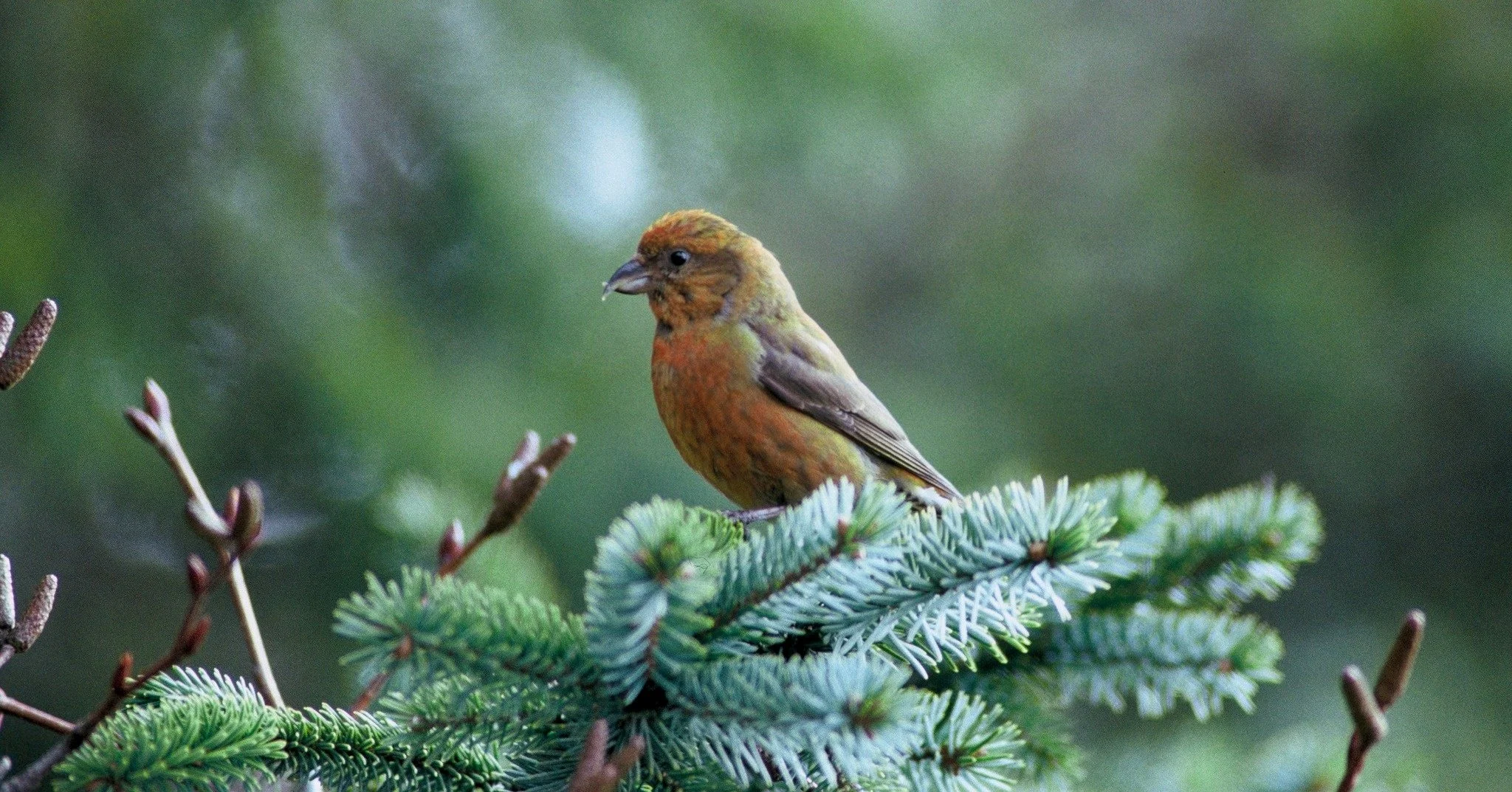
A red crossbill displays its unique crossed bill. Photo by Dave Menke, U.S. Fish & Wildlife Service
This year, the Finch Research Network reports a poor crop in the boreal forest from central Quebec to Manitoba, and early redpoll movement is also pointing to a possible poor seed crop in Northern Quebec and Labrador, according to Vermont Fish & Wildlife.
From the Adirondacks east through New England, there is a widespread above-average cone crop this year, giving this winter the potential of being the biggest irruption in the last five years, the department recently explained on its social media.
“Currently, limited food resources north of us will pull more birds south in search of cone seeds and berries,” said Jillian Kilborn, Vermont Fish and Wildlife’s bird project leader. “With the extra visitors we anticipate in Vermont coming from the north this winter, you have a chance of seeing some new, colorful surprises.”
If the prediction holds true, Vermonters may see large flocks of species such as grosbeaks, redpolls, crossbills and more headed to their feeders.
Birdfeeding guidance
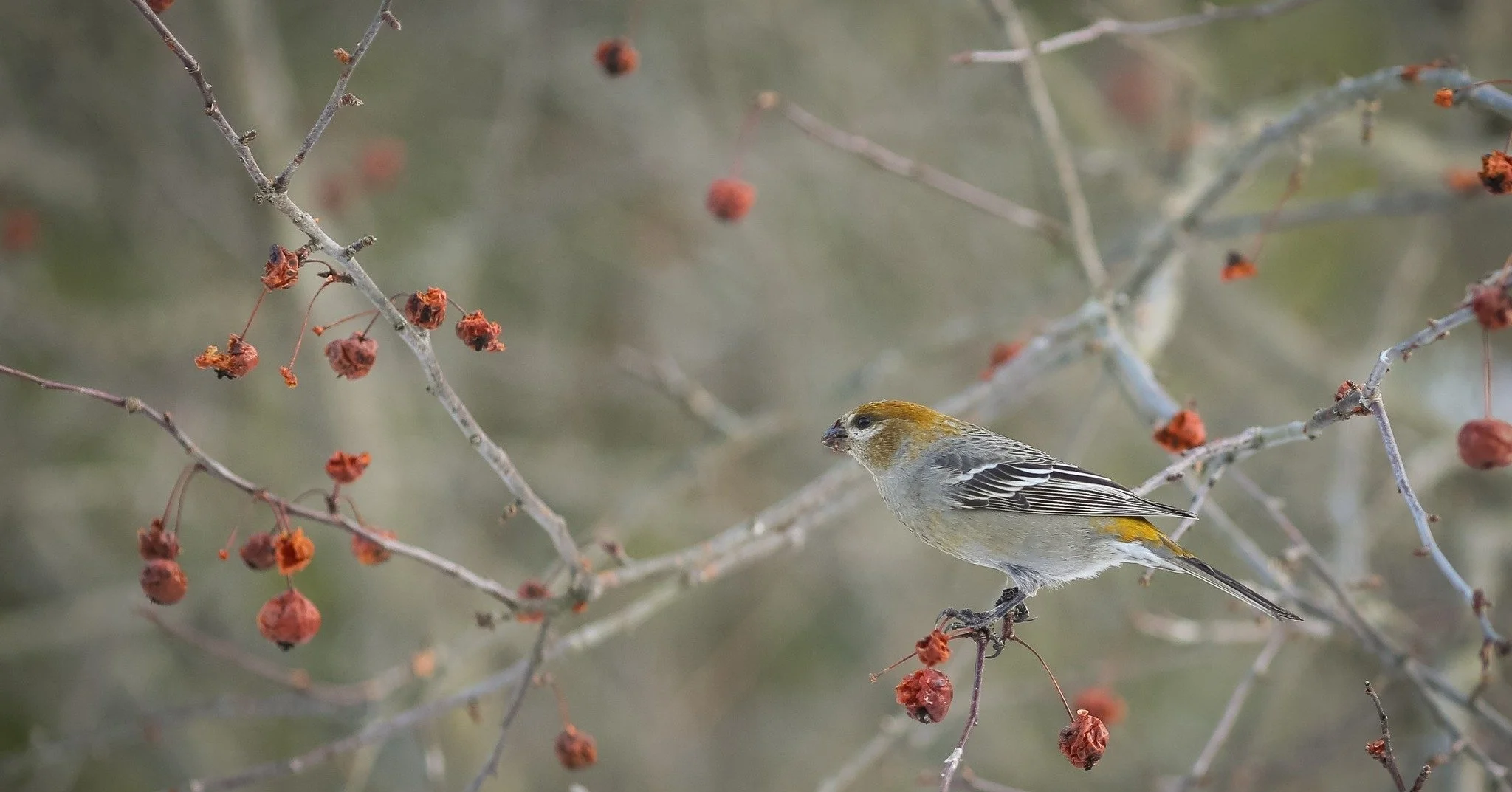
A pine grosbeak is a winter bird in Vermont. Vt. Fish & Wildlife photo
In addition to species expected to winter in Vermont, typical winter birds at feeders include year-round residents, such as black-capped chickadees, cardinals, nuthatches and blue jays.
Here are some basic bird-feeding tips from Vermont Fish and Wildlife:
Make your own feeding mixture to maximize the number of species visiting your yard. Black oil sunflower seed is a favorite of many birds, but when mixed with “thistle” (or “nyjer”) or cracked corn, you will be sure to attract a wider variety of species.
Don’t forget suet to attract woodpeckers and chickadees.
Mix up the type of feeders you use. Hopper feeders are great for large birds such as blue jays, while tube feeders are best for smaller birds. Elevated tray feeders will attract birds that usually feed on the ground, including juncos and larger-bodied winter visitors such as evening grosbeaks.
Place feeders near natural habitat, or even add a habitat for birds to hide. A Christmas tree is a great addition to a snowbank next to your feeder to provide quick cover.
Keep your feeders clean. Only put out enough food for a day, and wash feeders every couple of weeks in a 10% bleach solution and let them dry to prevent the spread of bacteria and disease.
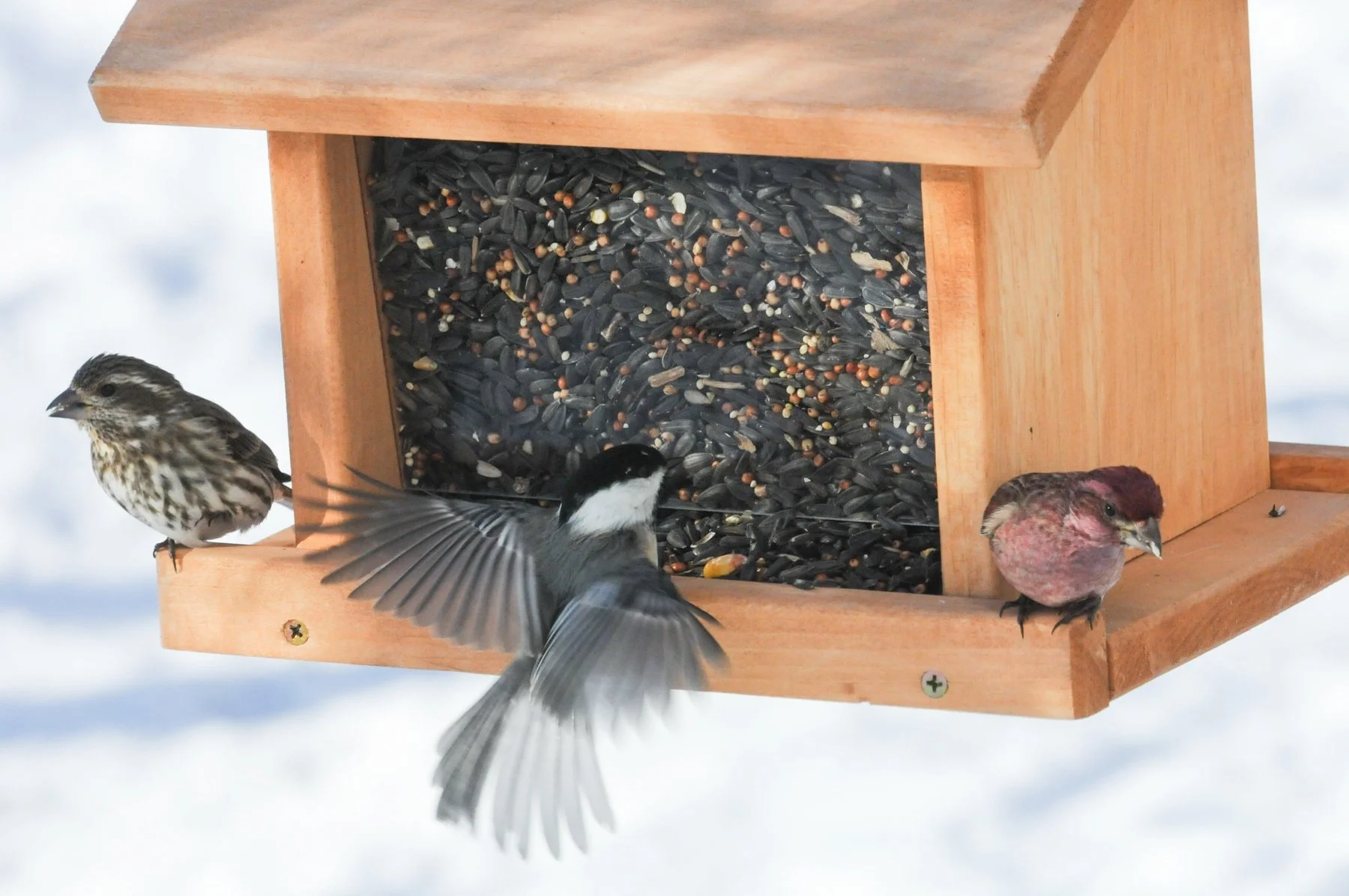
Bird feeders offer an easy and safe way to interact with wildlife. Installing after Dec. 1 limits the potential to attract bears. Vt. Fish & Wildlife photo by John Hall
Some reminders as well:
Feeding can expose birds to hazards they might otherwise avoid. The risks of predation are higher close to people, especially from domestic cats – the leading cause of bird deaths in North America. Keep cats inside and take feeders down if predators become frequent visitors. Also, place feeders either within 3 feet of windows, or greater than 30 feet from windows. This helps minimize high-speed window strikes.
Don’t feed birds when bears are active. Most bears are in dens from Dec. 1 to April 1, but bears don’t have calendars and some may delay hibernation or re-emerge to feed during periods of warmer weather. Remove bird feeders immediately if you see signs of bears or know a bear is active in your community. Bears that learn to associate food with a house, even only once, will continue to return, potentially leading to property damage and dangerous encounters with people. Also, it is illegal to feed bears in Vermont.
Once you’ve started feeding the birds, keep your feeders stocked. Although wild birds are not entirely dependent on bird feeders, they can become accustomed to this easy food source. If you wish to stop feeding during winter months, gradually taper off the amount of food you provide rather than stopping abruptly, giving the birds a chance to find other food sources. This is especially important when food is scarce in late winter or during periods of extreme weather.
Immediately remove feeders if there are reports of HPAI (avian influenza) or even a bacterial infection outbreak. Concentrating birds at a feeder only contributes to the spread of diseases. If you find a dead bird visit the Avian Influenza Wildlife Health Bulletin on the Vermont Fish and Wildlife website for more information on when to report, and what to do.
Finally, report observations. Consider participating in one or more bird-monitoring projects such as the Great Backyard Bird Count, Project Feeder Watch and eBird. They all collect important information for understanding bird populations.
Volunteer for Hunger Mountain Winter Bird Count Dec. 26
The National Audubon Society’s Winter Bird Count – sometimes referred to as the Christmas Bird Count – is to take place on Dec. 26 this year. Zac Cota coordinates the count in the Waterbury-Stowe area, called the Hunger Mountain Winter Bird Count.
The event has been happening each winter for more than a century with birdwatchers across the Americas pull out their binoculars to observe bird activity in their communities all on the same day.
This practice has become a powerful tool for understanding the rise and fall of bird populations over time.
Cota shares that the Winter Bird Count was created as a peaceful alternative to a traditional yuletide hunt wherein teams competed to kill the most animals in an afternoon. In Enosburg Falls, the participants of this “side hunt” collected a bevy of over 550 birds and mammals in 1896. In response to this tradition, founder Frank Chapman announced “a new kind of Christmas side hunt in the form of a Christmas bird-census.”
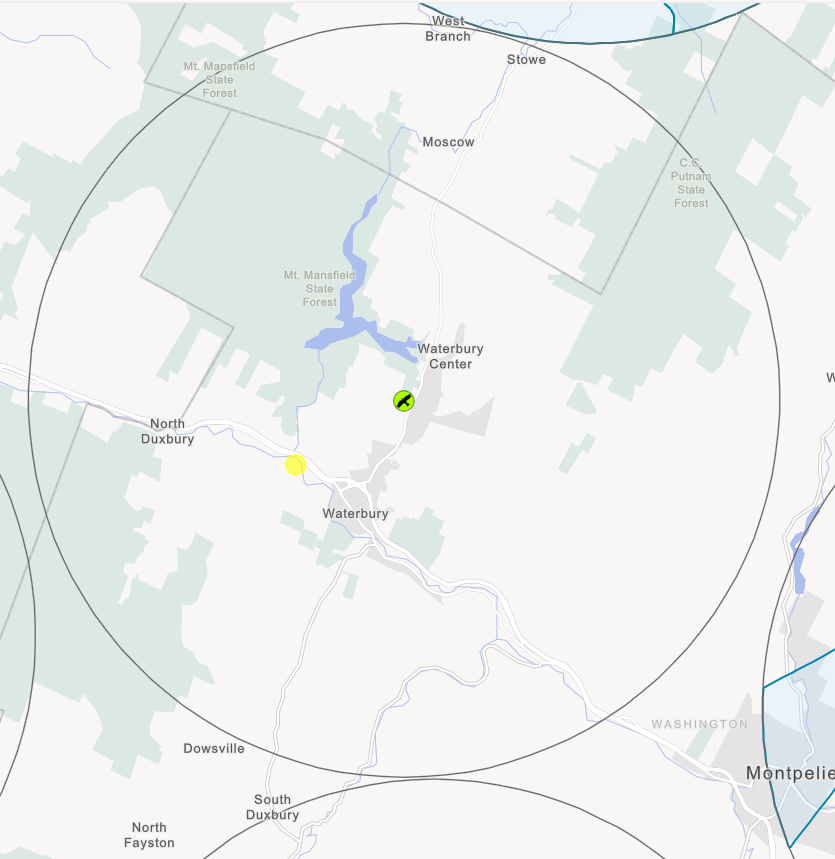
Today, more than 60,000 birders participate in this census annually, contributing to the world’s longest-running community science project, Cota explained. The count has contributed to hundreds of scientific publications and is considered one of the 24 major indicators of climate impacts by the Environmental Protection Agency.
Now a project of the National Audubon Society, counting takes place in a three-week period between Dec. 14 and Jan. 4 each year. Each count covers a 15-mile-diameter circle, and attempts to document every single bird in that circle area during a 24-hour period from midnight to midnight, Cota explained.
This year, the Hunger Mountain Wild Bird Count in the Waterbury-Stowe area will be done on Dec. 26. Volunteers are needed to form or join a bird-counting team in a neighborhood or along a local trail. Counting can even be done at one’s backyard feeder, Cota noted.
To learn more or sign up, visit Audubon.org online, or email local coordinator Zac Cota at HungerMountainWBC@gmail.com.