
Holidays and pets: Tips to keep dogs and cats safe this time of year
December 15, 2025 | By Waterbury Roundabout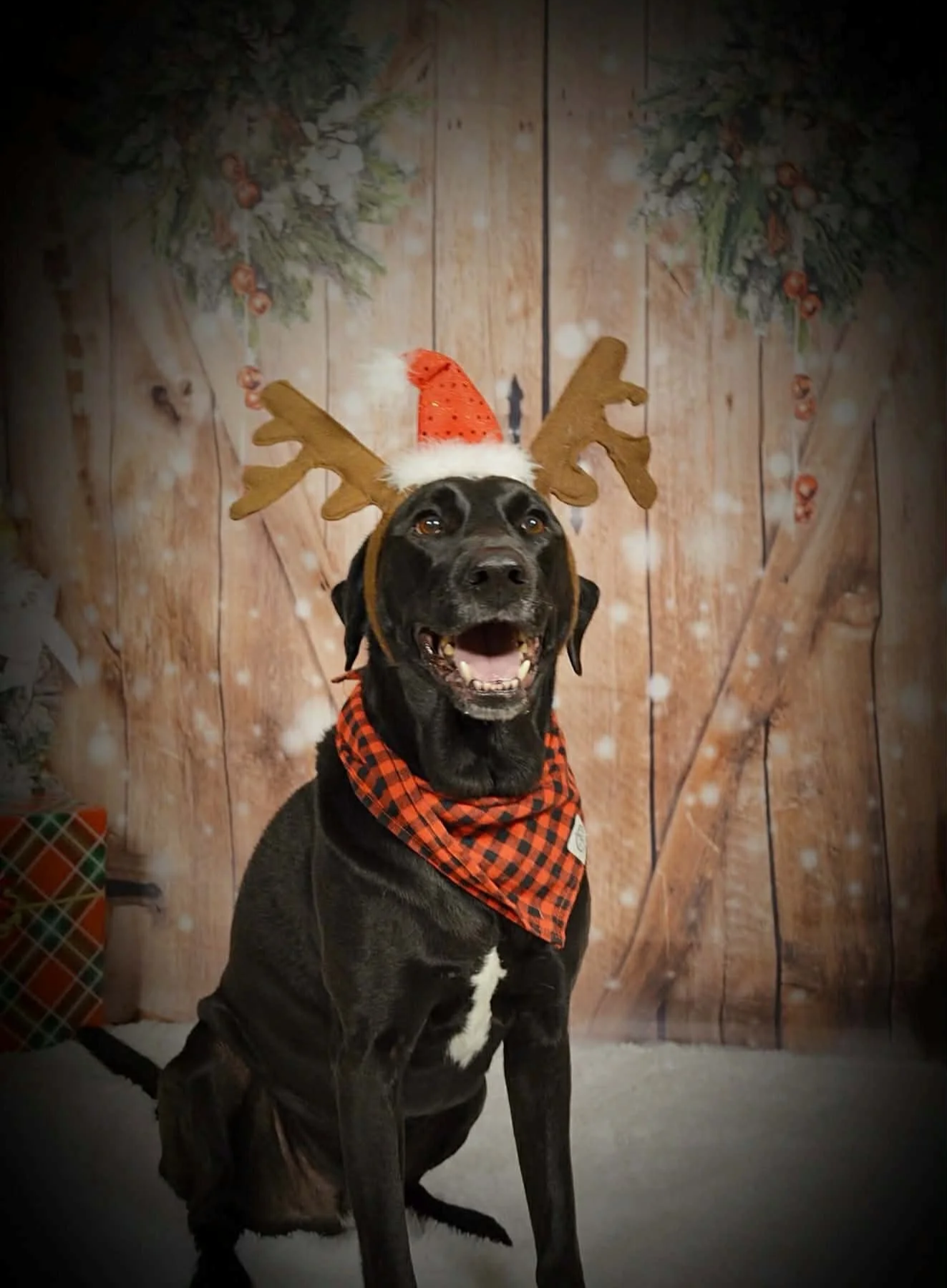
Baker. Photo courtesy of Waterbury Veterinary Hospital

Super senior Sam. Photo courtesy of Waterbury Veterinary Hospital
The holidays bring special activities into our daily routines and often mean having special foods and decorations in our homes. People look forward to the routines and experiences that can make this time of year merry and bright. But with them can come some serious hazards for pets.
Dr. Emily Crawford, veterinarian at Waterbury Veterinary Hospital, shared the following guidance for dog and cat owners to keep pets safe during this busy and festive time of year.
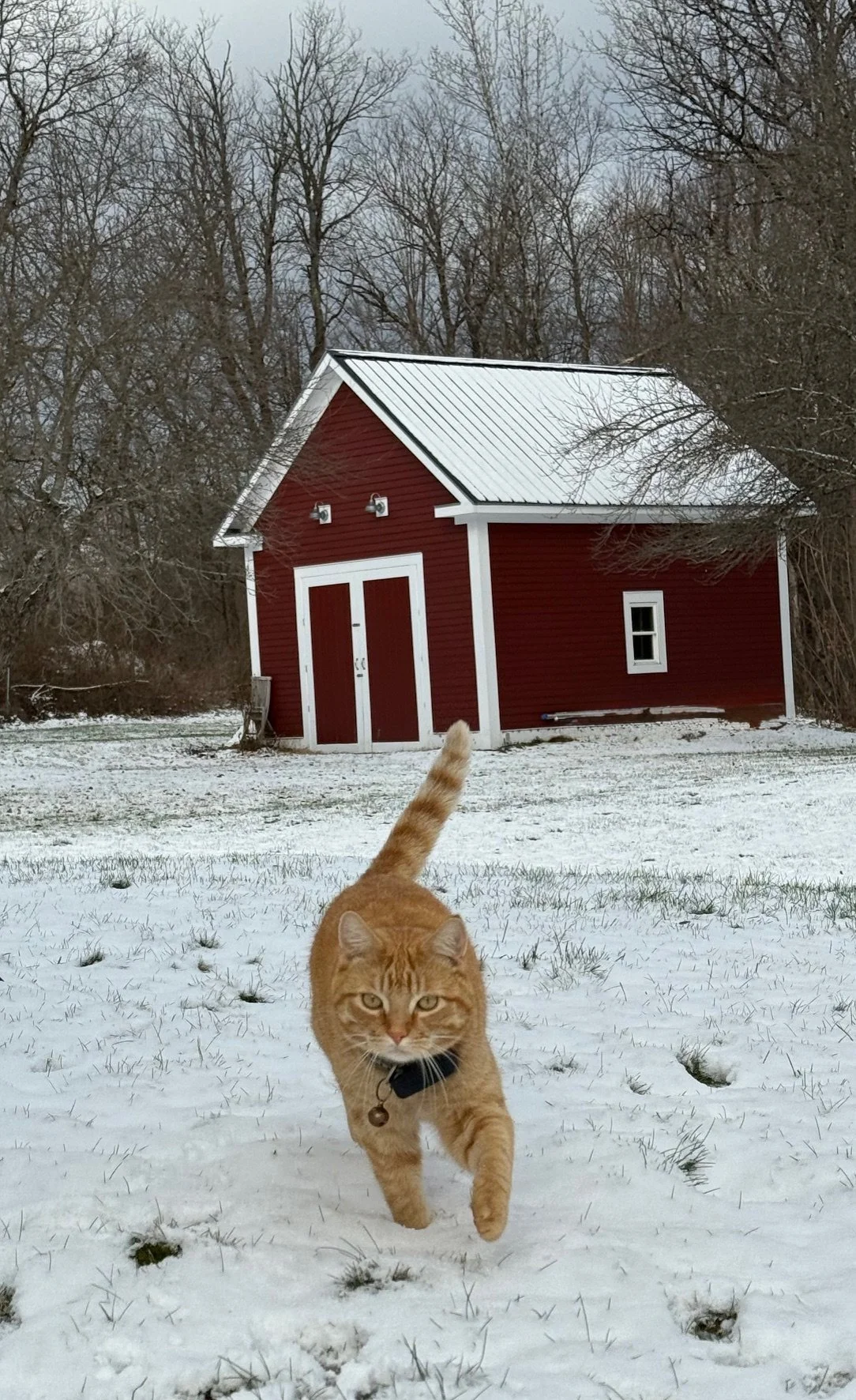
Emily Crawford's cat Hank. Photo courtesy of Waterbury Veterinary Hospital
Q: What are some of the dangers that the holidays can pose to both cats and dogs?
A: The biggest holiday dangers to pets include:
Exposure to chocolate, fatty foods, and other human foods that are not meant for dogs. Chocolate ingestion can result in severe gastrointestinal upset or, with high enough amounts, even cardiac arrhythmias, neurologic symptoms, and death. Fatty foods can result in gastrointestinal disease and pancreatitis. Cooked meat bones can cause blockage/obstruction of the intestines or can cause gastrointestinal pain and disease.
Trash may smell especially tempting to dogs (especially when containing a turkey carcass!) Candy wrappers discarded carelessly are enticing to dogs and are common sources of “dietary indiscretion.”
Exposure to toxins in holiday plants such as mistletoe and holly. Poinsettias and other houseplants can cause stomach irritation if nibbled, but are not highly toxic. For cats, exposure to any part of any lily plant can be highly toxic, causing renal failure and even resulting in death.
Holiday decorations can be a hazard. Trees are very interesting to pets and can cause injury if they are knocked over. Tree decorations are a risk if breakable, or even remotely edible, such as salt-dough ornaments. Salt dough, when raw or baked, can be very toxic to pets due to the amount of salt it contains, which can cause electrolyte shifts and neurologic symptoms.
For cats, tree tinsel and wrapping ribbon should be kept out of their reach. Most linear or string-like thread, ribbons, yarn, etc., are always an ingestion risk for cats who like to play with these things because they can cause intestinal obstruction. Confetti at New Year’s can also be a tempting danger to cats.
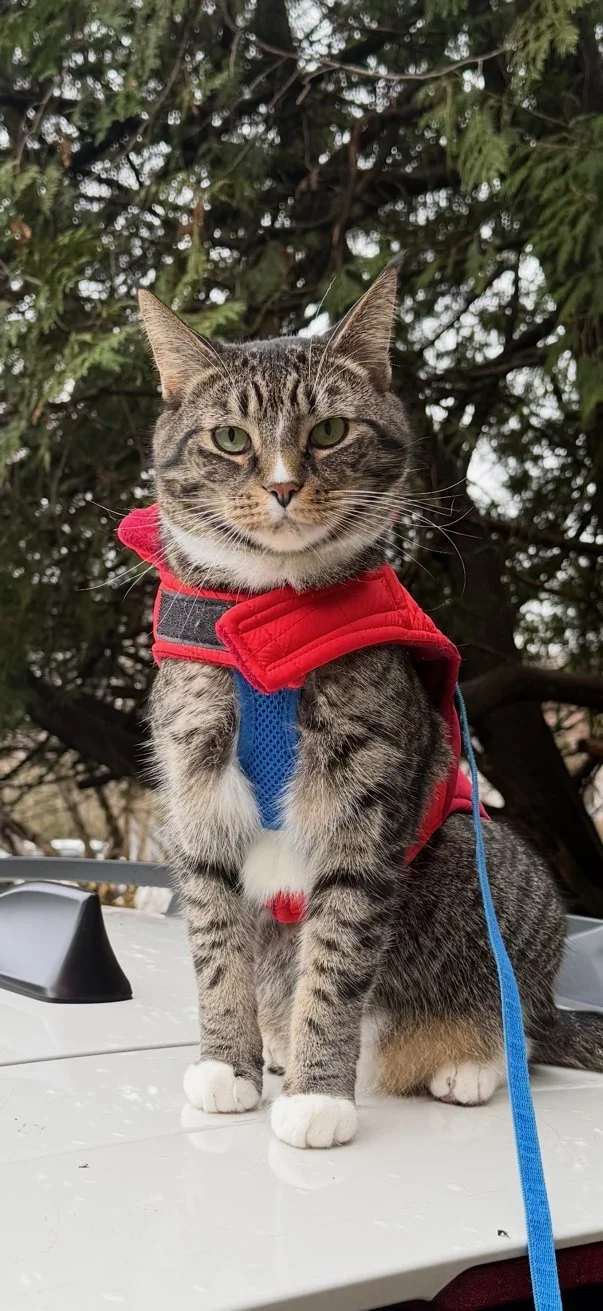
Dilly. Photo courtesy of Waterbury Veterinary Hospital
Q: What are some good safety practices for pet-proofing holiday decorations?
A: Secure Christmas trees to prevent tipping.
Tree decorations – especially breakable, edible ones, or tinsel should be hung out of pets’ reach on the tree, or avoided altogether if a pet is young or actively interested in these things.
Plants should be well out of pets’ reach, and cat owners should avoid lilies in their homes completely.
As always, food and alcohol should be kept well out of pets’ reach, and any candy should not be left in areas that pets can access.
Be careful with where and how the stockings are hung!
Q: What should pet owners do if they suspect their pet has ingested something toxic?
A: Pet owners should call their local veterinarian for immediate guidance with any concern about toxin ingestion.
Pet owners should always keep contact information for the ASPCA Animal Poison Control Hotline on hand. This hotline (888-426-4435) provides guidance on treatment and monitoring after any unexpected toxin or substance ingestion.
Q: What are some ways to help anxious pets adjust to different holiday activities, routines and experiences?
A: Holidays may bring extra guests into the home, which can be stressful for some pets.
Ensuring that nervous pets have a safe space to retreat to and relax (a comfy crate, their own bedroom, or other space) will help alleviate stress. There also are good-quality calming supplements for pets during stressful times. Feliway, a bottled feline pheromone that can be used to support cats with stress.
Another stress for pets is their own humans’ travel during holidays. Finding a high-quality boarding facility or a trusted pet sitter is recommended. Most cats prefer to stay in their own homes, but many dogs enjoy traveling with their owner or going to a boarding or camp environment.
New Year’s celebrations also can be very scary to pets with noise and sometimes fireworks. Again, making sure pets have a safe space of their own and even using background noise like the radio or a white noise machine can help.
If you anticipate severe anxiety due to guests, fireworks, or other holiday plans, some pets will benefit from medications prescribed by your veterinarian.