
A year into Vermont’s wake boat regulations, Senate Natural Resources revisits the rules
May 8, 2025 | By Olivia Gieger | VTDiggerThis state map shows the area near the Waterbury Dam where a wakesports zone is located under the new wakeboat rule. Click to enlarge. Courtesy of the Dept. of Environmental Conservation
If the tulips lining the walkway to the Statehouse are any indication, summer is on its way, and with it, a season of boating on Vermont’s lakes and ponds.
That fast-approaching season is not lost on advocates for wake boat-free lakes. Alongside representatives from the Department of Environmental Conservation, they spent Tuesday morning in the Senate Natural Resources Committee discussing the presence of the contested craft in Vermont’s lakes.
Wake boats, it’s worth clarifying, are not just any old boat that creates a wake — waterskiing boats, pontoons or whalers don’t fall into this category. Rather, they are boats specifically designed to displace large amounts of water, with V-shaped hulls, special wave-shaping plates and — most notably — big ballast systems that can take on gallons of water to weigh the boat down to create even bigger waves for wakeboarders or surfers.
Though the committee does not intend to take action this year, advocates are concerned that even one more boating season under the current rules could spread invasive species across Vermont’s lakes.
Those rules, passed in April 2024, restrict wake boating to specific wake sports zones: areas with 50 contiguous acres of lake, 500 feet away from the shoreline on all sides and depths of at least 20 feet. Those rules are meant to prevent the large waves from crashing down on shore and from churning up lake-bottom sediments — and thus protect lake wildlife from too much disruption.
But, advocates say the current rules don’t go far enough in protecting Vermont’s precarious lake ecosystems from the encroachment of invasive species. Specifically, the ballasts of these boats can be carriers for insidious invaders like zebra mussel larvae or watermilfoil, Pat Suozzi, president of the Federation of Vermont Lakes and Ponds, said in her testimony. Though boaters empty most of their tanks when taking boats ashore, they still may hold up to 8.5 gallons of residual water, according to John Wildman, a member of Responsible Wakes for Vermont Lakes, who also testified.
“It doesn’t take much. In fact, it only takes one boat,” Suozzi said, of the risk for invasive species spread.
That’s why she and other advocates are urging legislators and the Department of Environmental Conservation to consider a “home lake rule” for this summer, meaning wake boaters must register in one lake for an entire season.
Other attempts to prevent the transport of invasives through ballast tanks fall short, advocates said, since the visual inspection of hard-to-reach, under-boat tanks can be near impossible and the disinfecting washing equipment — with water hot enough to kill larvae — is expensive and doesn’t exist at most lakes.
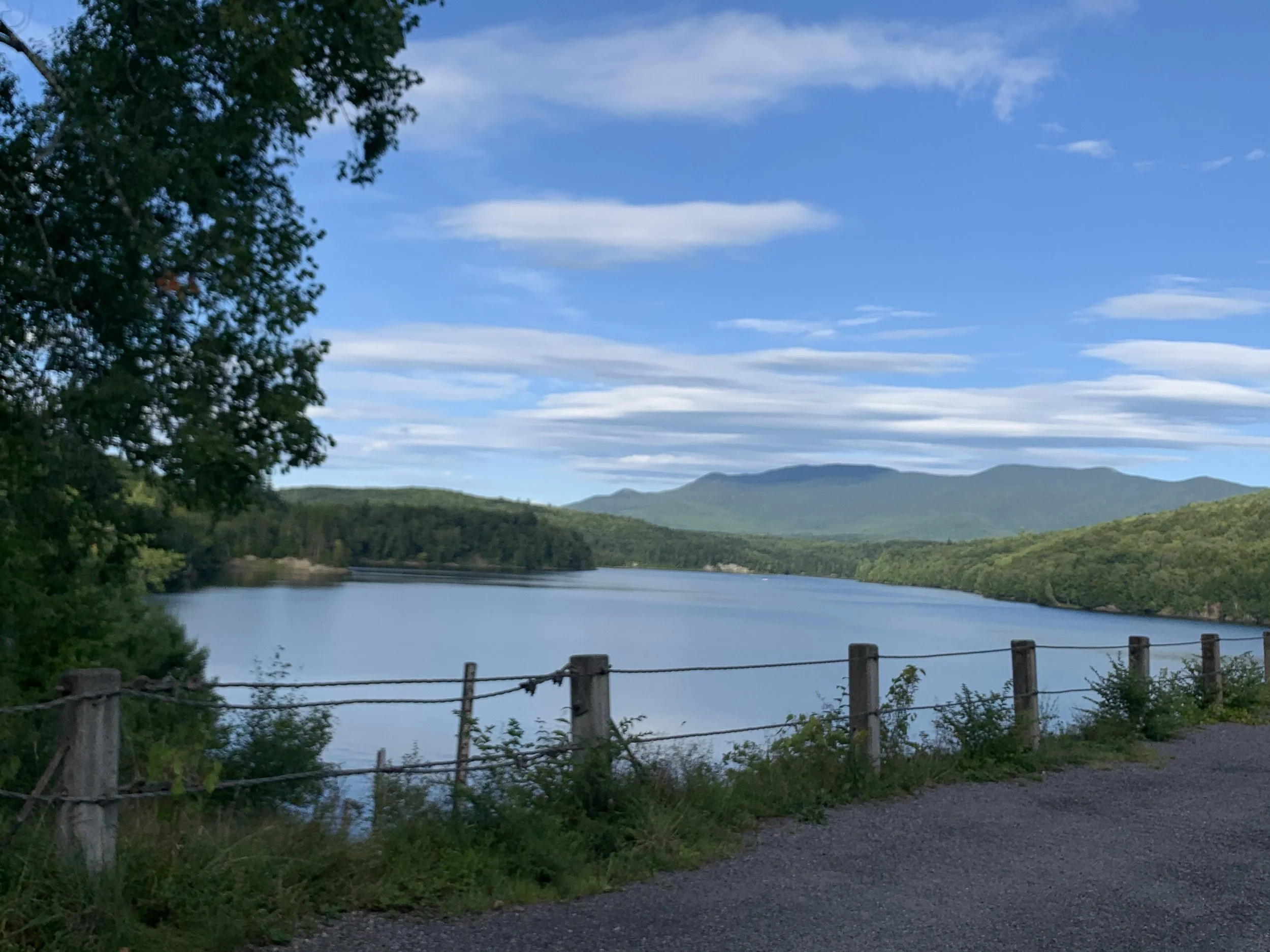
The area where wakesports are allowed on the Waterbury Reservoir is along the arm near the Waterbury Dam. Photo by Lisa Scagliotti
Still, others who testified expressed a desire to prohibit the presence of wake boats on Vermont’s inland lakes altogether. Waves that can reach up to 5 feet above the water can be an equally daunting prospect to a kayaker on the surface or a loon nesting not far off shore, according to advocates.
“Why should our lakes be essentially off limits to those — the majority, by far — who want to fish, kayak, canoe, paddleboard, sail, swim, water ski, or use their normal motorboats or pontoon boats?” said Phil Dodd, a Montpelier resident, during testimony.
Dlugolecki, with the Department of Environmental Conservation, said her office plans to engage residents this year through the summer on revising some of these rules to possibly take effect for 2026.
This piece was originally published in VTDigger’s Final Reading column on May 6.