Land trust begins restoring Winooski River watershed headwater stream
December 15, 2025 | By Vermont Land Trust | News Release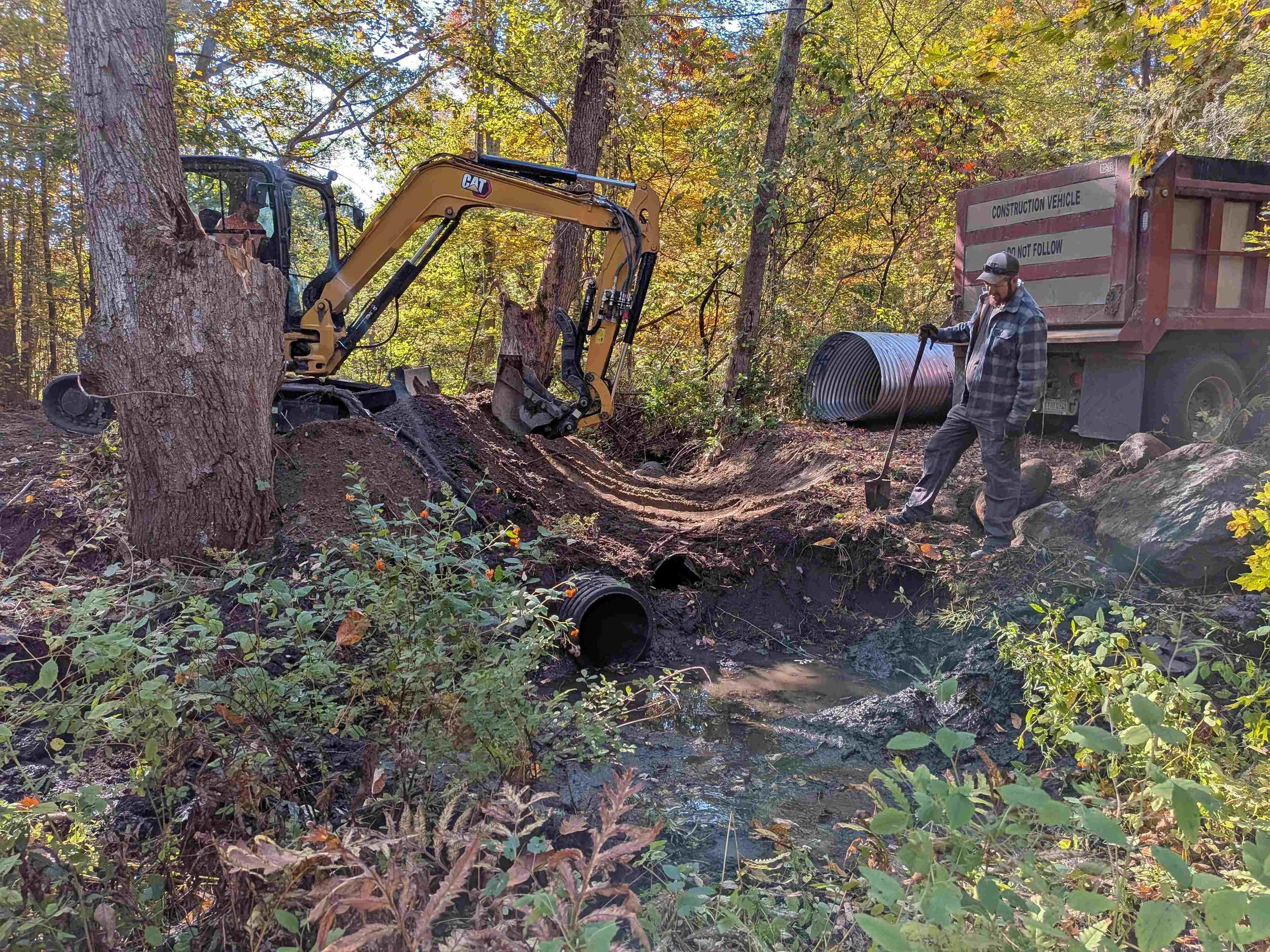
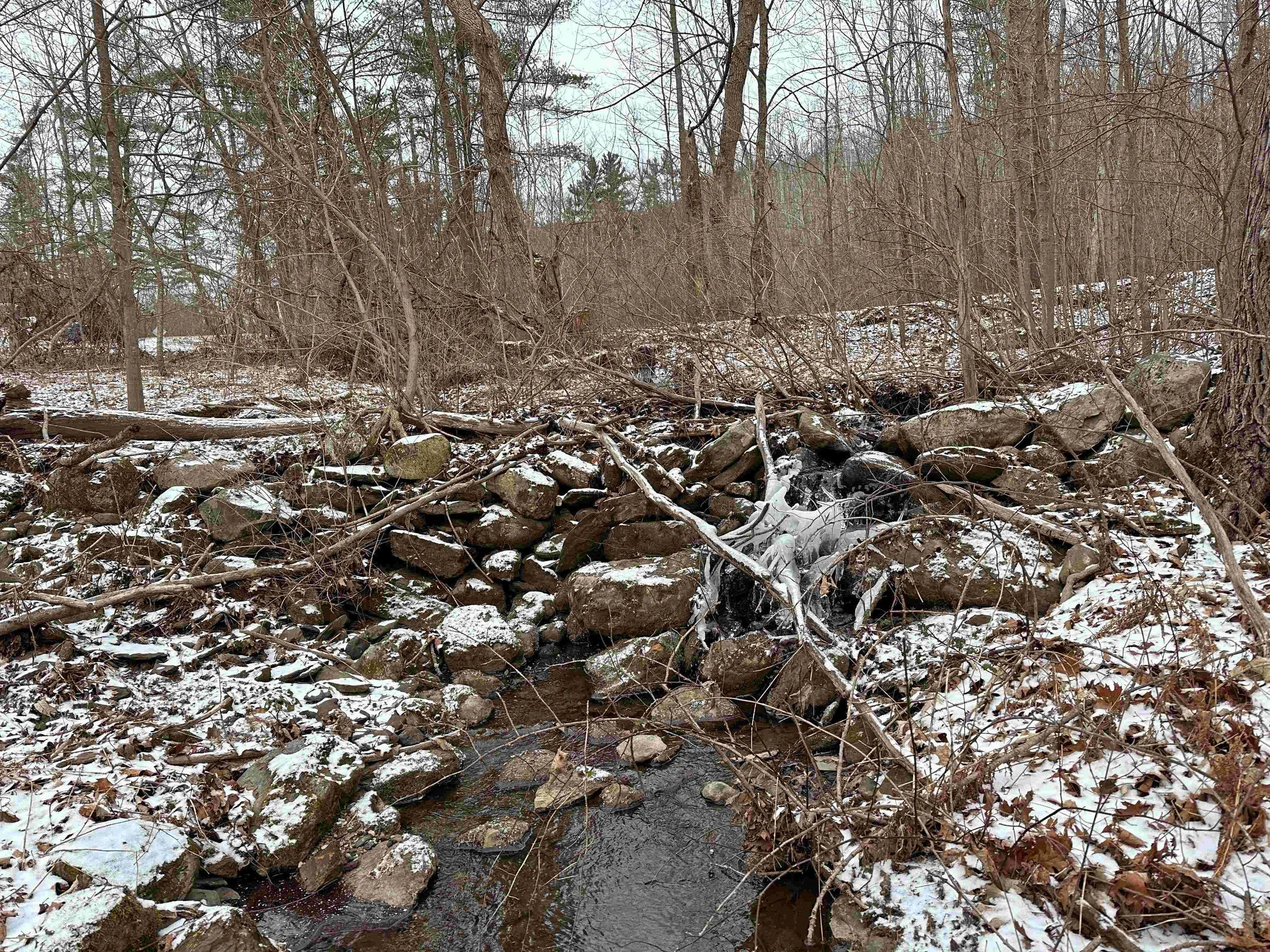
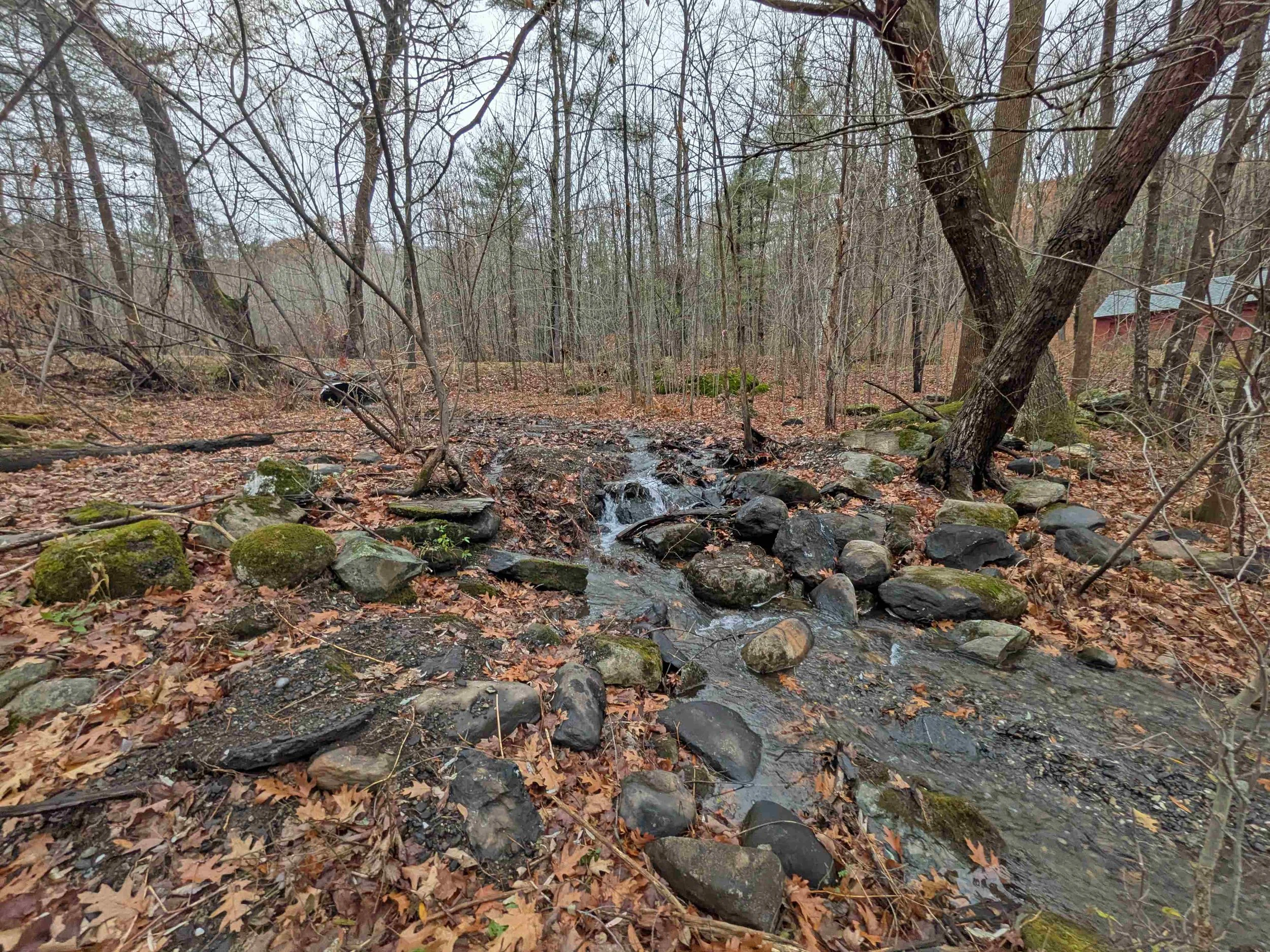
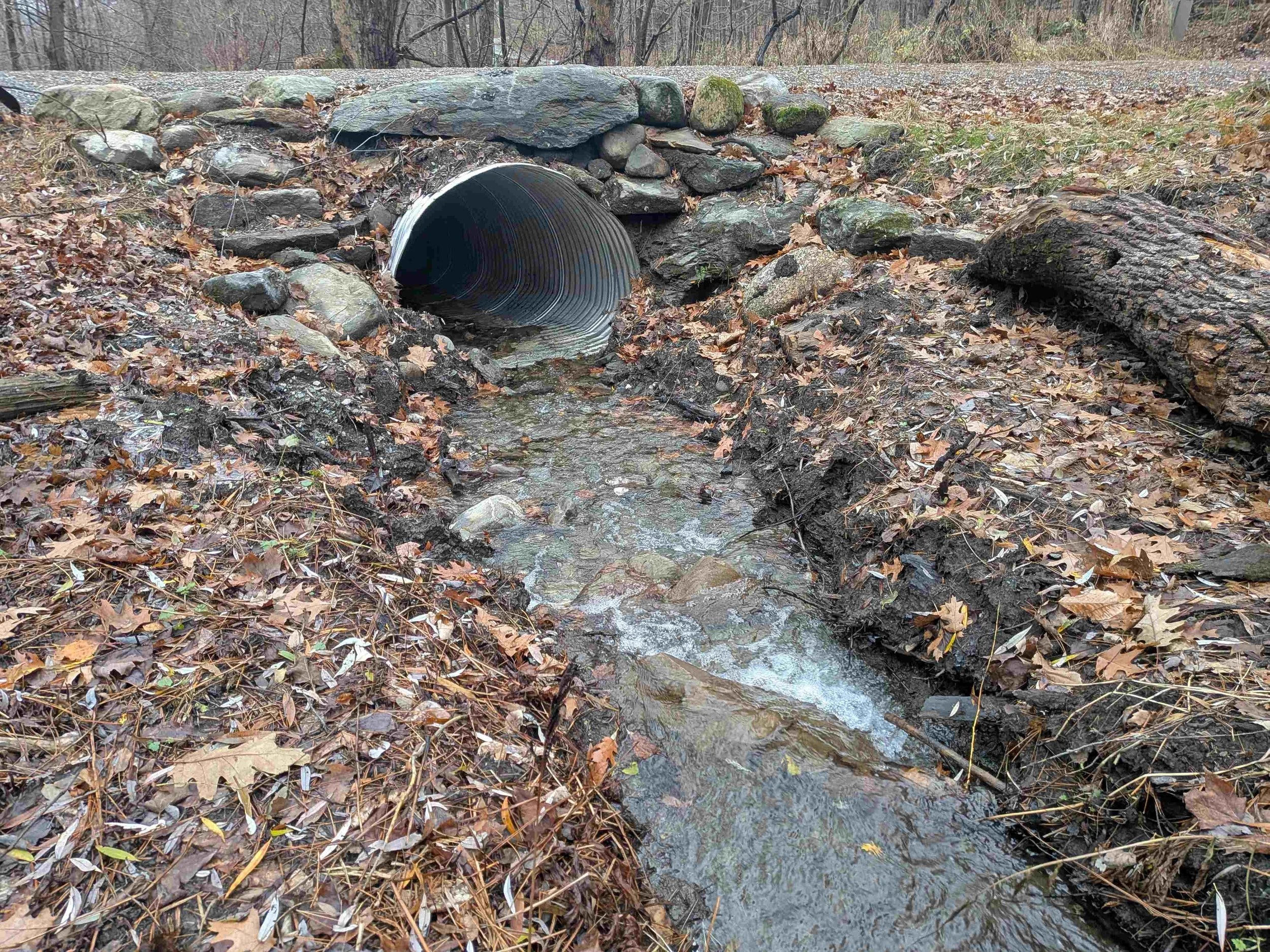
A headwater stream in the Winooski River watershed that was constrained by undersized culverts and small dams — causing erosion, limiting water flow and impeding wildlife movement — has been partially restored, the Vermont Land Trust announced this month. The restoration project will allow flood waters to pass more safely, protect water quality, wetlands, and floodplains, and enhance wildlife habitat.
The land trust brought together ecologists, hydrologic design engineers, skilled contractors, and restoration experts to assess, design, and implement the work.
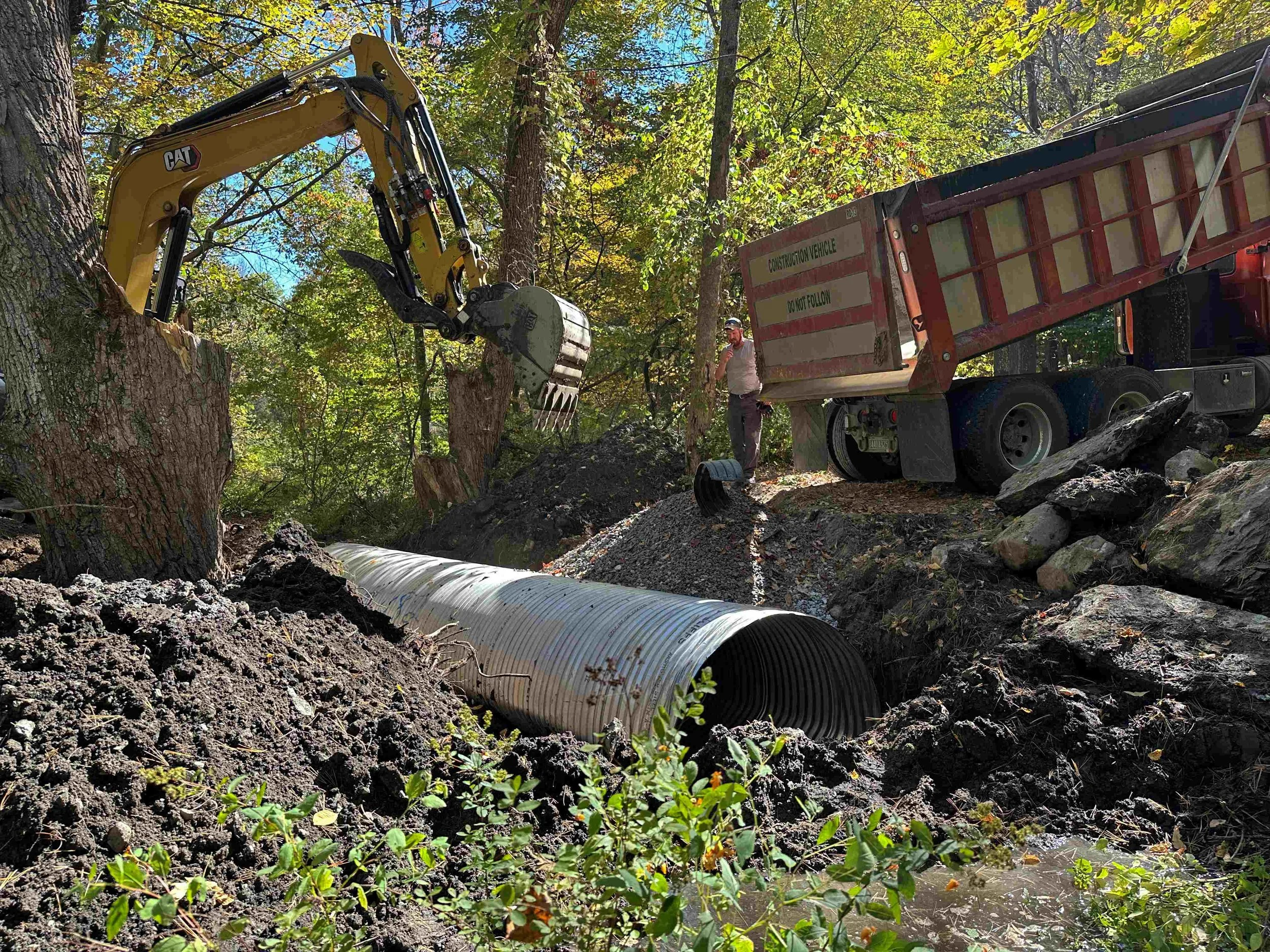
The partners replaced two undersized culverts with a single, larger “pipe arch” on an unnamed tributary of the Winooski River. They also removed a stone dam that was impeding water flow. The stream can now flow more freely, and the new culvert will allow animals to move and floodwaters to pass without damaging the surrounding land or roads.
“Though big rivers may draw our attention, much of a watershed consists of small streams high in the headwaters,” said Allaire Diamond, the land trust’s Ecology & Restoration program director, who led the project. “Making sure these headwater streams aren’t constricted helps prevent damaging erosion and water quality issues downstream, and maintains habitat for both aquatic and land animals.”
The Winooski River watershed is the largest in Vermont, and has flooded multiple times in recent years. “Focusing on restoration in the headwaters that feed it can reduce flood pulses in a cost-effective way,” Diamond said. “And we hope projects like this can help demonstrate how landowners can protect watershed health on their own land.”
Small streams have big impacts
The land where the restoration project was undertaken was originally conserved with the Vermont Land Trust in 2009, and was donated to the land trust in late 2024. Located near the Mud Pond Conservation Area on the western edge of Richmond, the unnamed stream flows through wetland and forest, is confined behind small dams, and crosses town and private roads on its way to the Winooski River.
Engineers from Fitzgerald Environmental Associates visited the site in 2024 to collect data to design the restoration, which will proceed in multiple phases. They identified the stream crossing as the first priority as it was undersized and had washed out in recent floods.
The engineers recommended replacing two existing culverts, of 15-inch and 18-inch diameters, with a larger “pipe arch” made of steel (64-inch x 43-inch) to safely fit the stream during 100-year flood levels. The culvert’s wide “squashed” base allows it to sit in a wider channel, and designers have planned for the culvert bottom to gradually fill in with gravel and soil from upstream. Over time, this will create a natural stream bottom that will aid aquatic animals such as amphibians and small fish in their movement through the watershed.
Led by Stephen Hogan of Hogan Excavating in Cabot, the construction team began work this fall. They started by installing temporary markers along wetland boundaries to ensure wetland areas would not be disturbed. They carefully managed water away from the work area and installed the new culvert before reopening the stream to its natural course.
Land trust staff removed a small stone dam by hand, just downstream of the now-improved stream crossing. They also removed woody invasive species from the stream and floodplain area and then planted native willow stakes and wetland seeds collected from the property in the restoration site. Vermont’s historic drought broke soon after the work was completed, just in time to welcome the stream back to its restored course.
“For Vermont Land Trust, this project is just the first in a series of restoration efforts in this small corner of the Winooski watershed,” Diamond explained.
The land trust is pursuing additional projects for wetland restoration along with the removal of an earthen dam downstream on the property. It also hopes to address constrictions on a nearby parcel in partnership with neighboring landowners.
This project was funded by Vermont Clean Water funds with the design phase administered by the Mount Ascutney Regional Commission. Funding for the construction phase was administered by Watersheds United Vermont. The Intervale Center donated work crew time to remove woody invasives.
Learn more about Vermont Land Trust online at vlt.org.