
State employees show up in person to demonstrate constraints at Waterbury office complex
October 24, 2025 | By Ethan Weinstein | VTDigger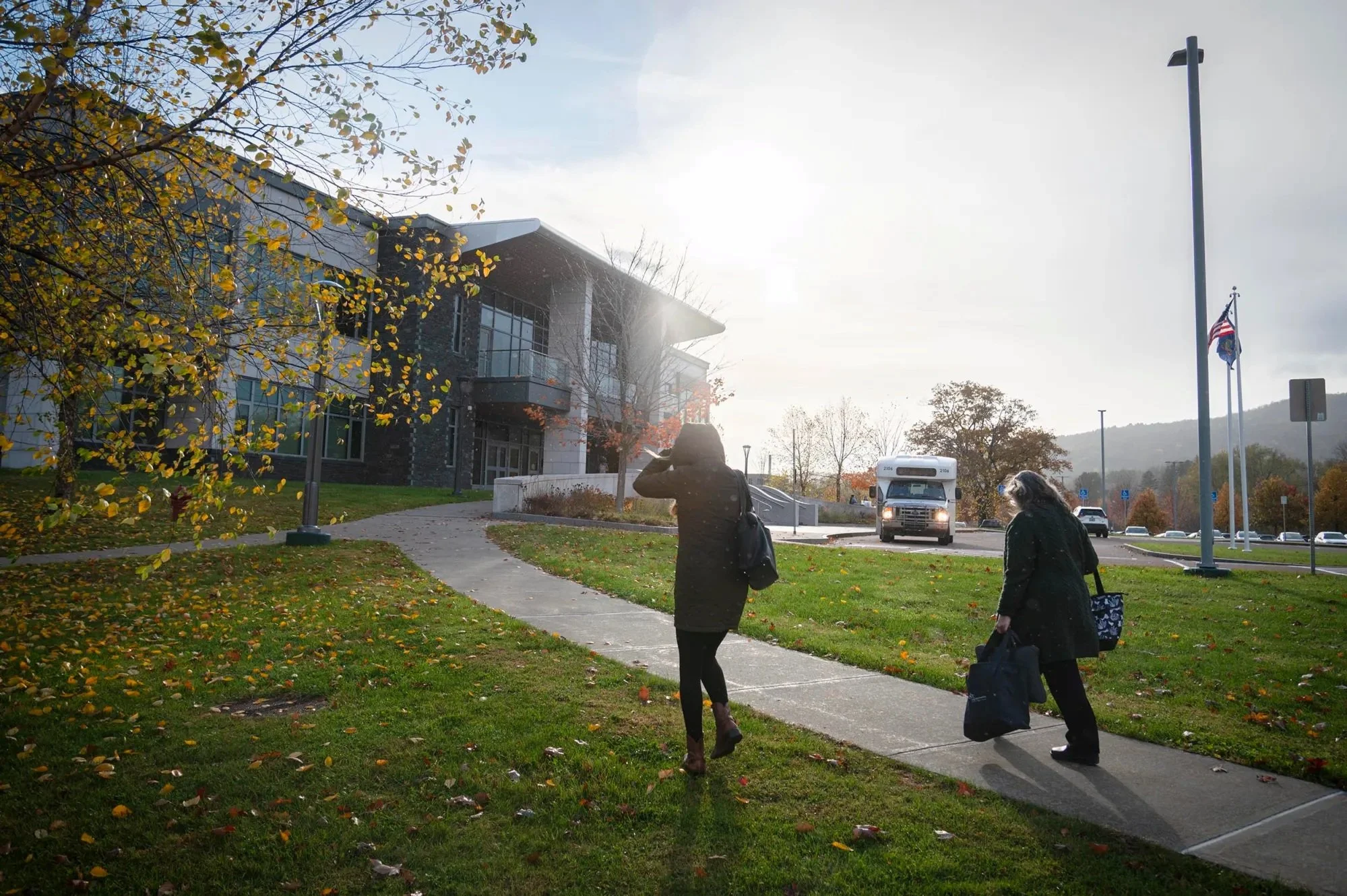
Workers arrive at the Waterbury State Office Complex on Oct. 23. Photo by Glenn Russell/VTDigger
Emily Weidman and her fiancé planned to pare down to one car in order to save for a home.
But that plan changed when Gov. Phil Scott announced state employees would need to return to the office at least three days per week starting Dec. 1.
“We can’t do that now,” said Weidman, a Department of Vermont Health Access employee.
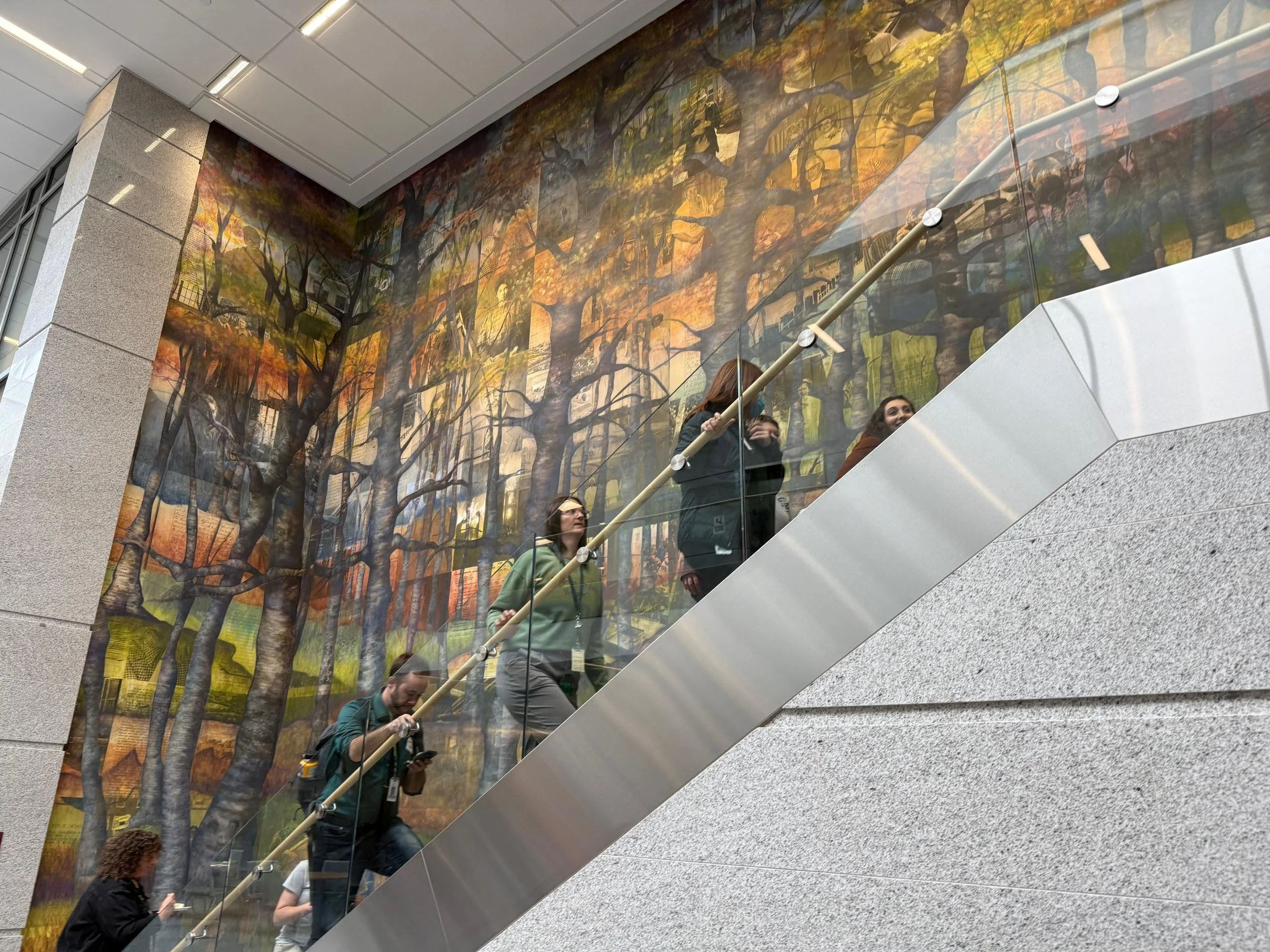
State employees inside the main state office building in Waterbury on Oct. 23. Photo by Gordon Miller
Weidman, who typically works in person once a month, was one of hundreds of employees within the Agency of Human Services who showed up to the state office complex in Waterbury on Thursday to demonstrate the impact of the looming return-to-office order. Many wore green or union T-shirts to show their solidarity in opposition to the mandate.
After first previewing the hybrid return-to-office plan this summer, Scott and his administration have released additional details sporadically, recently specifying the limited exceptions to the mandate for state workers currently living outside Vermont.
Administration officials say working in person will increase collaboration and preserve institutional knowledge, while also improving customer service for Vermonters who want to interact with their government face-to-face.
The Vermont State Employees’ Association, the union representing state workers, has fiercely criticized the initiative, arguing it will cause experienced employees to quit, decreasing the quality of state departments’ work. State surveys conducted by the Vermont Department of Human Resources show the vast majority of state employees who work at least sometimes remotely say the flexibility helps their productivity and still allows them to collaborate effectively.
Despite the financial impact on her, Weidman said she was more concerned about the hybrid plan’s impact on her colleagues who live farther from Waterbury or out of state. She expects to lose colleagues who can’t meet the initiative’s requirements.
“Lots going to change if we lose these people who have been here 15 years,” she said.
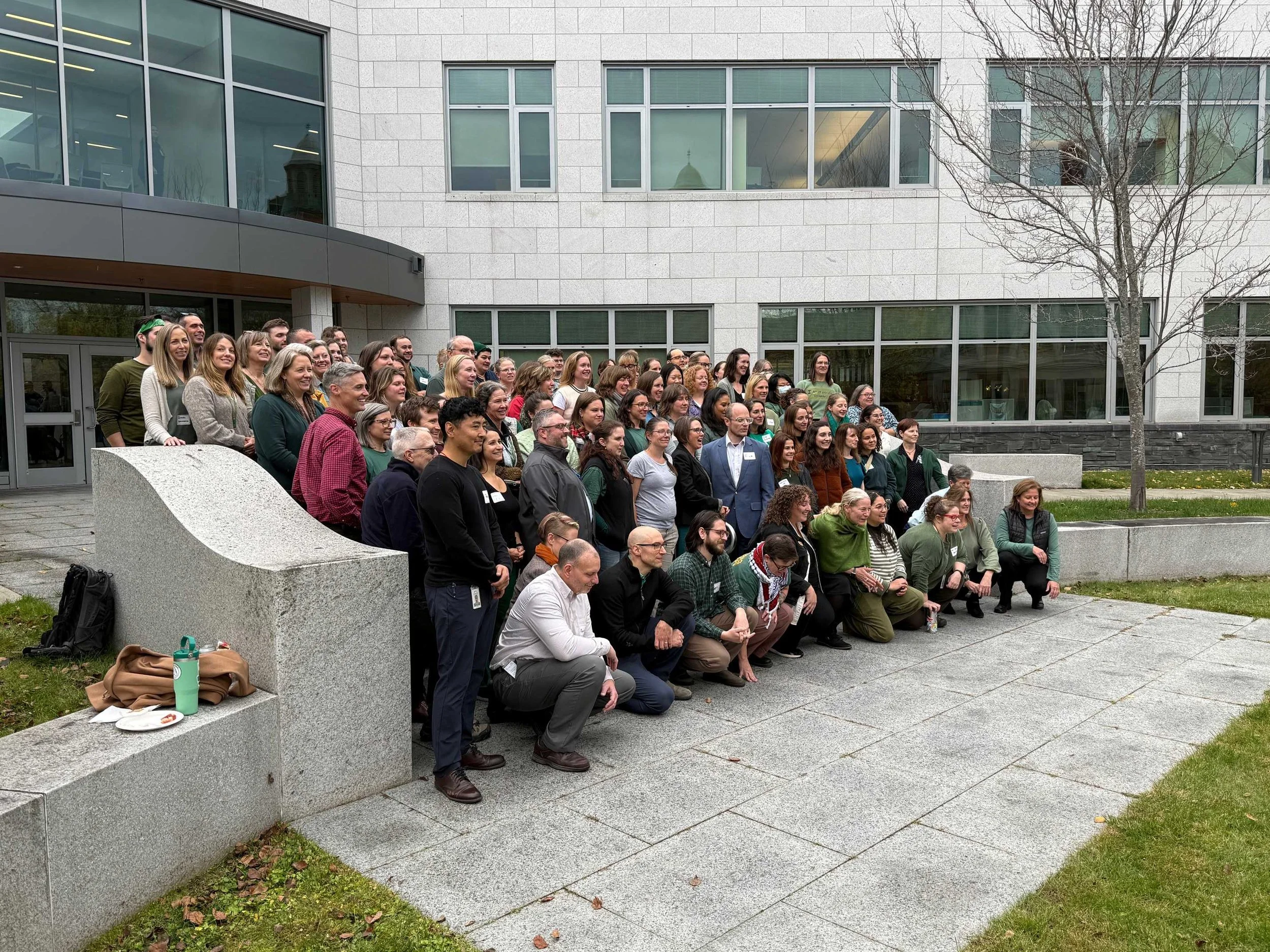
Health Department employees gather for a group photo in Waterbury on Oct. 23. Photo by Gordon Miller
Then there’s the matter of space. Thursday’s demonstration coincided with a Vermont Department of Health all-team meeting, and the employees’ union said the department is short more than 250 desks in Waterbury to accommodate all the Health Department’s staff assigned to the office complex.
“This is an attempt to show what this would be like,” Noah Detzer, a Health Department employee, said of the union’s organizing effort. “It’s going to be people on top of each other, multiple people at a desk.”
An internal evaluation by the Vermont Department of Health last month identified a gap of 254 desks at the Waterbury office, according to Kyle Casteel, a department spokesperson.
In an email, Sarah Clark, Vermont’s secretary of administration and the face of the administration’s hybrid mandate, wrote that state leaders are “actively working to address the space needs and develop solutions to accommodate the (Agency of Human Services) workforce.” She also acknowledged that the closure of a state office building in Burlington added to the Health Department’s space constraints.
But Clark noted that Thursday’s union demonstration, which requested 100% in-person attendance, may not accurately reflect what will happen starting Dec. 1, because the two remote days built into the administration’s plan will allow employees to work in the office on a staggered schedule. And on average, 199 employees currently work at the central complex in Waterbury, which has 881 seats, producing an average daily vacancy rate of 77%, according to data Clark shared.
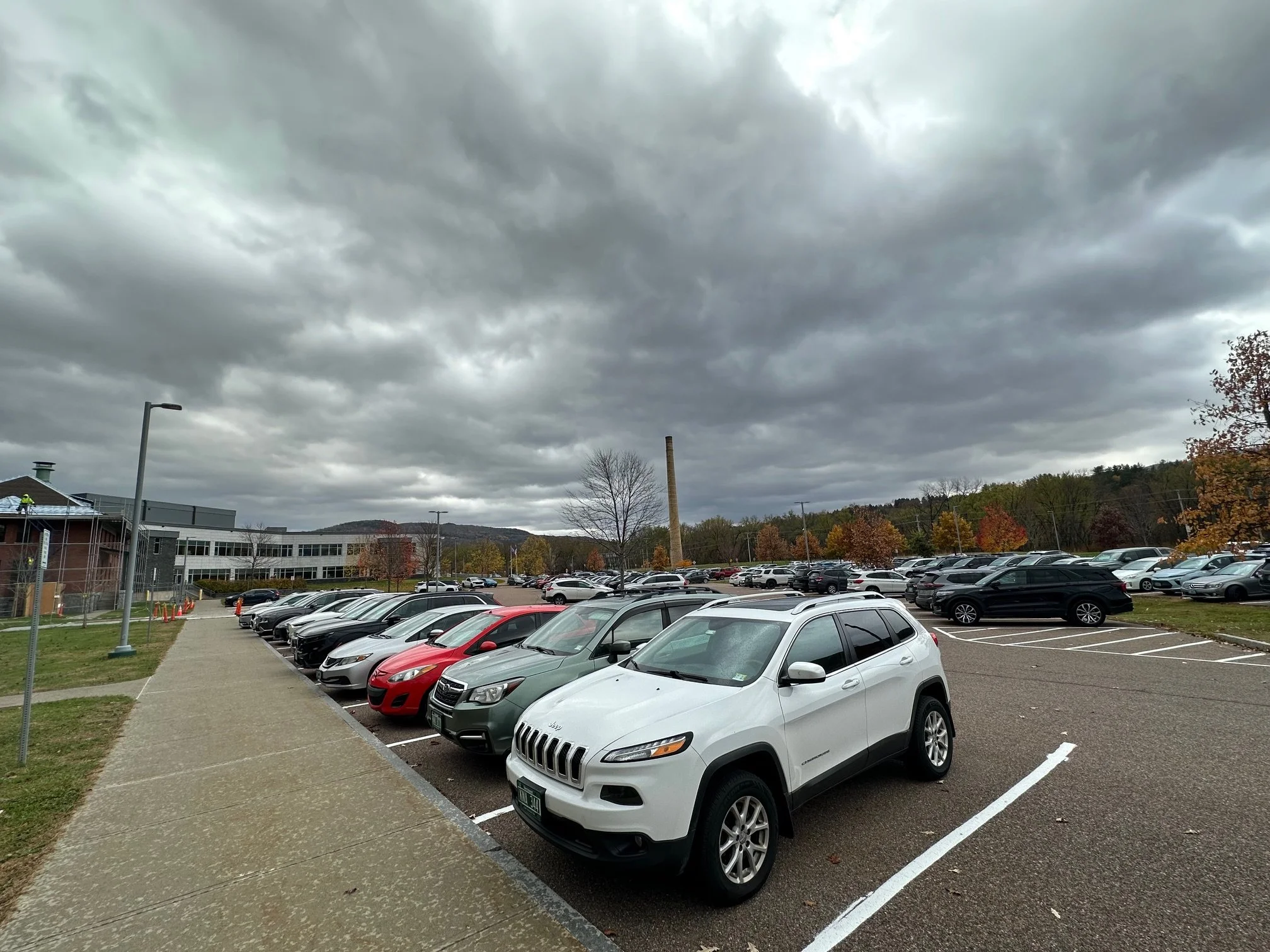
Cars at the State Office Complex on Oct. 23. Photo by Lisa Scagliotti
Detzer and other Health Department employees said they were concerned the return-to-office requirements would limit staff recruitment to the I-89 highway corridor, inhibiting people in rural Vermont from being able to work for the state. And they expect to lose institutional knowledge as employees who can’t meet the order retire or find other jobs, they said, a setback taxpayers will feel.
“It’s going to be a very different health department,” said Detzer, who typically commutes once a week from Essex.
Samantha Stalford, another Health Department employee, said concerns about vacancies spurred by the return-to-office mandate threatened to overshadow the daily work of state government. Recruiting new workers and figuring out how to divide up the responsibilities of people who are leaving would take its toll, she said.
“There’s just been a lot of chaos,” Stalford said, “rather than just doing our jobs.”
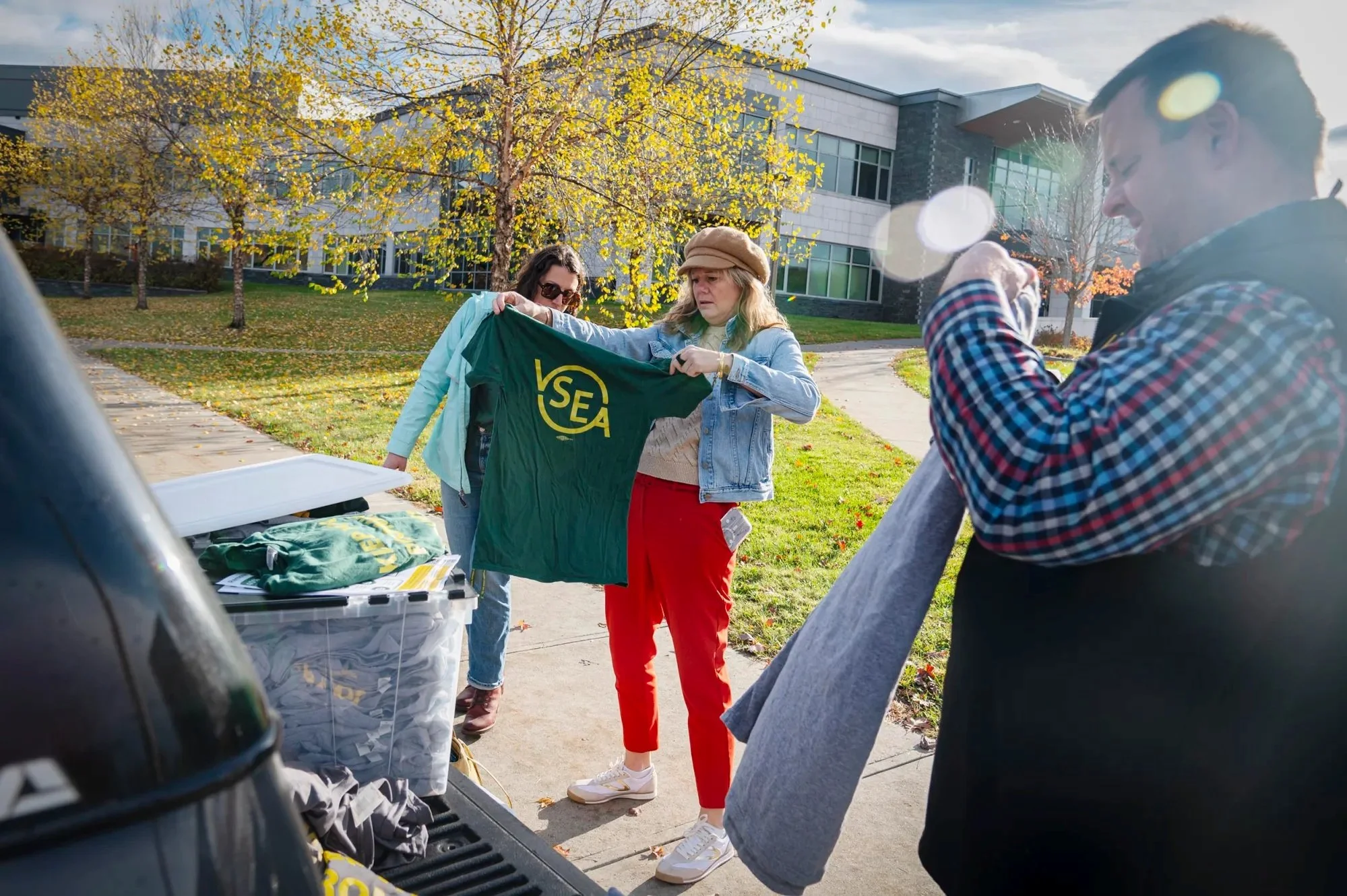
State employee Charlotte Safran picks out a Vermont State Employees Association t-shirt as the union opposes Gov. Phil Scott’s return to work mandate outside the state office complex in Waterbury on Thursday, Oct. 23. Photo by Glenn Russell/VTDigger
This story was originally published by VTDigger on October 23. It is republished with permission from VTDigger, which offers its reporting at no cost to local news organizations through its Community News Sharing Project. To support this work, visit vtdigger.org/donate.