
Waterbury Select Board candidates on the issues
February 23, 2026 | By Waterbury RoundaboutTIP: This page is best viewed on a computer or tablet. If reading on a phone, rotate to horizontal view.
Other Elections | Voting Details
On Town Meeting Day, voting for all local elections will be by paper ballot 7 a.m. to 7 p.m. in the gym at Brookside Primary School.
Ballots will include the Randall Meadow bond vote and budget questions for the Harwood Unified Union School District and the Central Vermont Career Center.
The annual in-person town meeting begins at 9 a.m. in the school gym. Only those present may vote on the town budget and other non-election questions at that meeting.
In addition to the select board seats, Waterbury voters are asked to fill other elected town offices of Town Clerk, Treasurer and one position each on the Board of Listers, Library and Cemetery commissions. Incumbents Anna Black and John Woodruff are lone candidates seeking to return to the library and cemetery commissions, respectively.
There are no announced candidates for the clerk, treasurer or lister positions. If they are not filled with write-in candidates, the select board would appoint individuals to serve until March 2027. As of Feb. 22, Waterbury Roundabout is unaware of any write-in candidates seeking those offices.
Two Waterbury seats on the Harwood Unified Union School District School Board are on the ballot. Pam Eaton, appointed in 2025, is seeking a three-year term. A second seat for one year on an unexpired term has no one listed on the ballot. After the filing deadline, however, two candidates have announced interest as write-ins: Michael Frank and Theo Hanna.
Early/absentee voting is underway. Voters may cast a ballot before March 3 at the town office during regular hours. They also may request a ballot by mail from the town clerk or the Vermont Secretary of State’s voter page. Ballots must be returned to the drop box outside the town office by March 2 or to the polls on March 3.
Town Meeting Day is Tuesday, March 3, and Waterbury voters have several choices to make on their local election ballots.
The contest to fill three seats on the Waterbury Select Board is the most crowded field with five candidates, and none of them are current office holders.
Incumbents Alyssa Johnson, the board chair, Mike Bard and Tori Taravella all chose not to run for re-election, and five contenders have stepped up to fill those offices.
Chris Viens is on the ballot for the three-year position; Don Schneider is running as a write-in candidate for that seat as well. Both previously served on the board, including stints as chair.
The ballot asks voters to choose two of three candidates to fill the two one-year openings on the board: Evan Karl Hoffman and Sandy Sabin — who both ran unsuccessfully in 2025 — along with first-time candidate Martha Staskus.
In addition, board Vice Chair Kane Sweeney has announced plans to step down from the board following town meeting. Because his term does not end until 2027, his board seat is not on the ballot. When that vacancy occurs, it will be up to the board to recruit and appoint someone to Sweeney’s position to serve until March 2027.
The board’s fifth member, Roger Clapp, is serving in a three-year position that ends in 2028.
For the sixth year, Waterbury Roundabout posed a series of questions pertaining to local issues to the select board candidates.
The goal is to introduce readers to the candidates and allow the hopefuls to share their views on some of the top issues the board is likely to address over the course of the next year. Their complete responses are below, along with their contact emails.
We thank the candidates for taking the time to fill out the survey and share their views with the community!
~ Lisa Scagliotti, editor
Find more Town Meeting Day news, commentaries, etc. on the Roundabout’s Town Meeting page here.
Five Candidates · Three Seats · Two Races
At right, former board members Don Schneider and Chris Viens are both running for a single three-year seat on the Waterbury Select Board. Viens is on the ballot; Schneider is running as a write-in.
The three candidates below are vying for two one-year seats on the board: Evan Karl Hoffman, Sandy Sabin and Martha Staskus. All three names are on the ballot.

Chris Viens
3-year seat
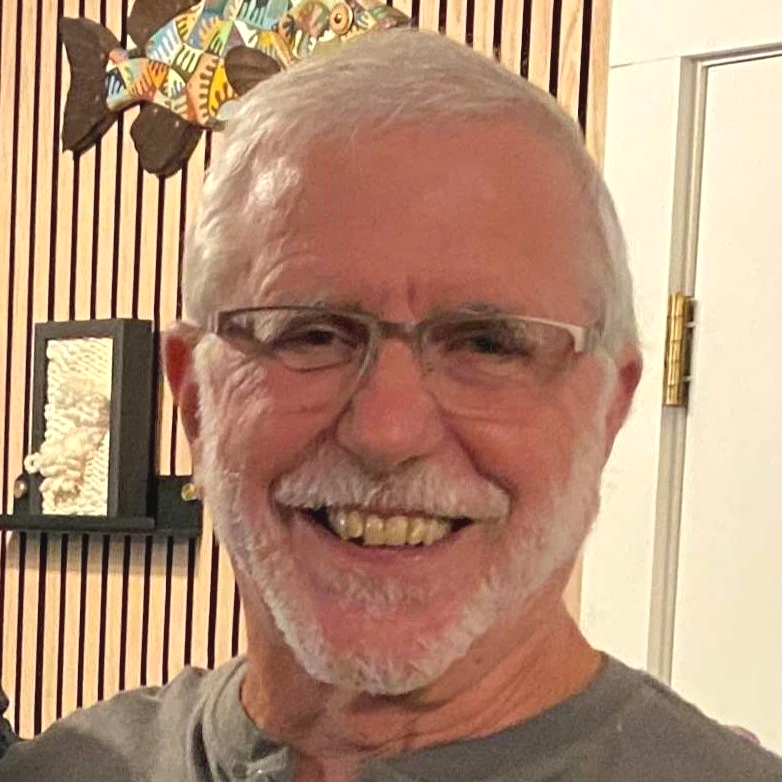
Don Schneider
3-year seat, write-in

Evan Karl Hoffman
1-year seat

Sandy Sabin
1-year seat
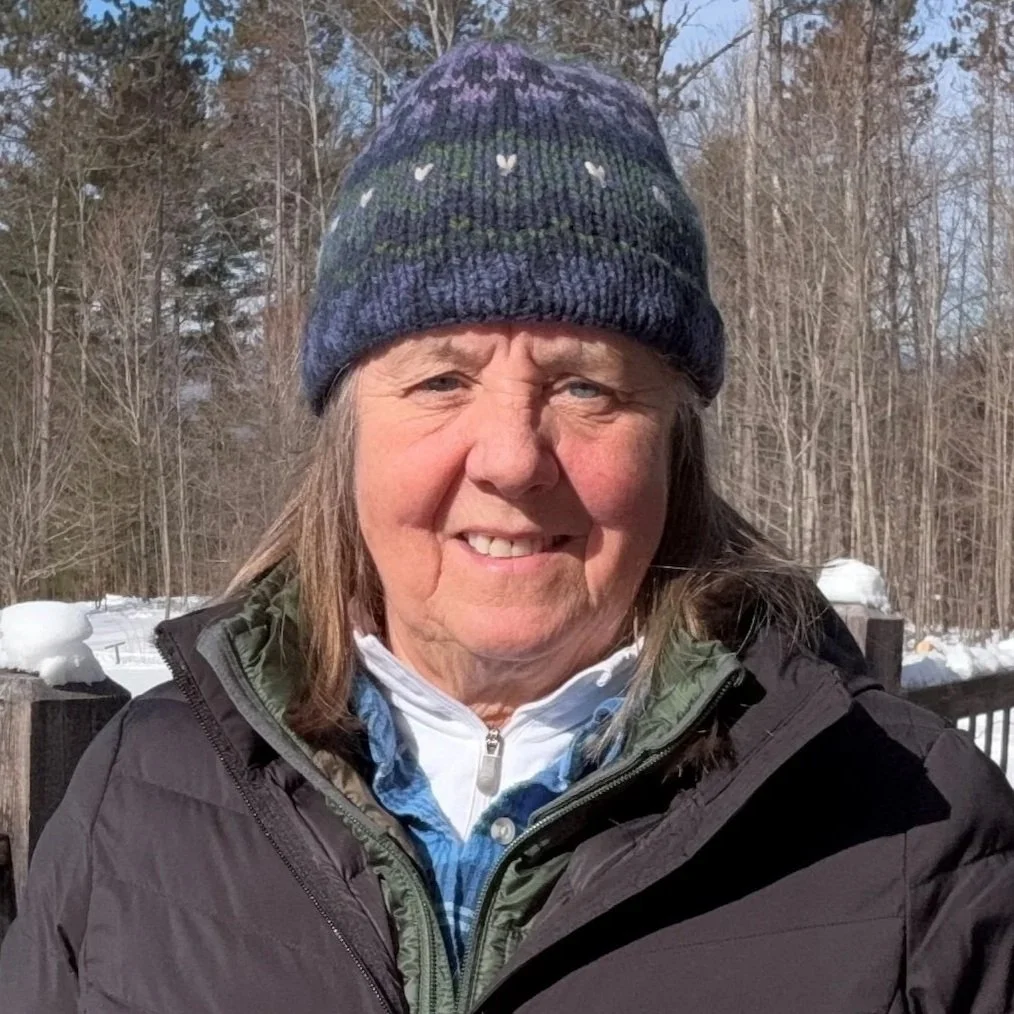
Martha Staskus
1-year seat
Name, age, occupation (your day job or jobs)
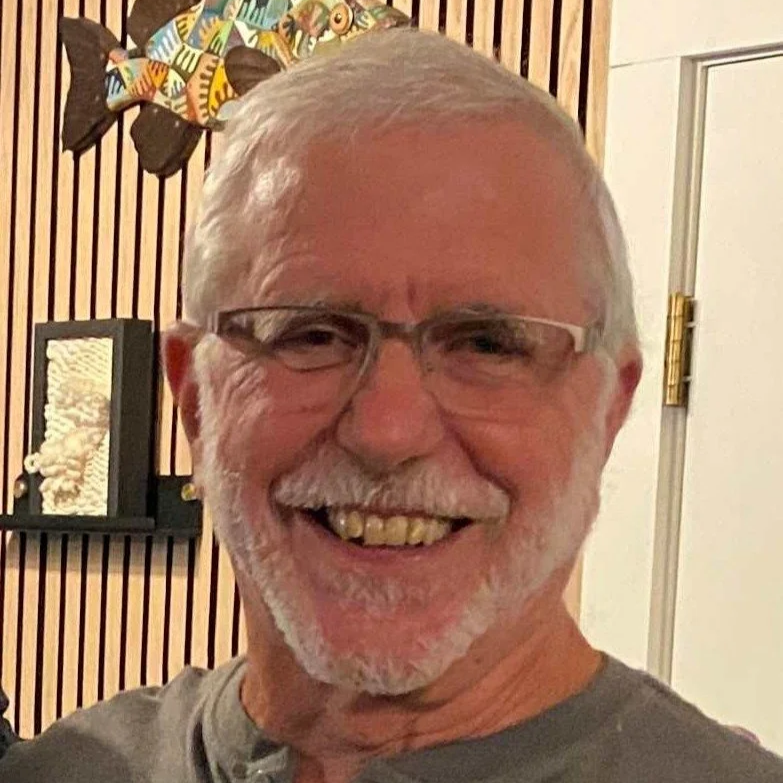
Don Schneider, 77, retired public school teacher and principal
Chris Viens, 66, builder, concrete contractor, logger, excavation contractor

Evan Karl Hoffman, 29, deli clerk at Village Market
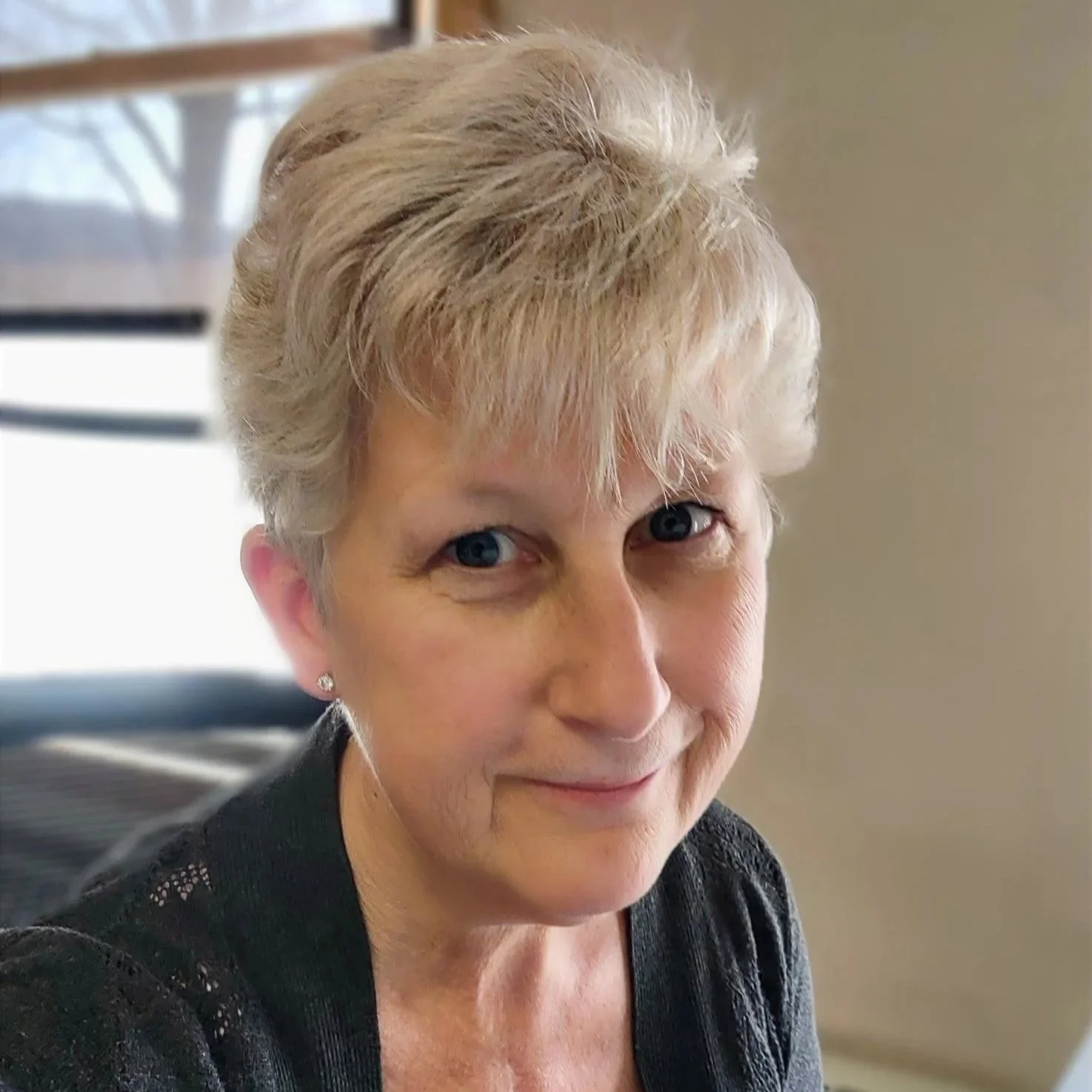
Sandy (Johnson) Sabin, 62, municipal assistant finance director
Martha Staskus, 68, utility scale renewable energy development consultant
Have you run for elected office before? If so, what elected offices have you held? List other qualifications such as boards, organizations you have volunteered with, education, etc.
Yes - Selectboard for four years. Public school principal for 19 years, 13 years at Brookside Primary School (which was then named Thatcher Brook). Board member and treasurer for Waterbury Area MakerSphere Cooperative. Waterbury Rotary Club member for 10 years; president for one year. Member of Waterbury Anti-Racist Coalition. Member of the Jack’s Alley renovation project committee. Foster parent for 2 years.
Yes - Town Lister in Duxbury, 11 years on the Waterbury Select Board.
Yes. I ran for Select Board previously in 2025. Boards & volunteering: VT250 Town Organizing Committee, Town Meeting Day Study Committee, Camel's Hump Indivisible -Protecting Democracy Committee; volunteer at Waterbury Public Library
Yes - I ran as a write-in candidate last year but was unsuccessful. I attend every selectboard meeting I can to stay current on local issues. I was recently appointed to the Waterbury Housing Task Force to fill the newly opened, unexpired term. I regularly attend webinars and training sessions hosted by the Vermont League of Cities and Towns to deepen my understanding of current challenges in our local government. My current role in municipal accounting has given me a strong understanding of local government finances, policies, and procedures.
No - This is my first time as a candidate. While not elected, I have been appointed and re-appointed over the past 18 years to the town’s Development Review Board and then Planning Commission, serving as chair for the past two years.
Why are you running for a seat on the Waterbury Select Board?
First, I want to give the voters a choice as to who represents them in the governance of the Waterbury community. Second, I will bring a respectful, thoughtful, collaborative approach to issues and concerns facing our town. I will work with all community members in developing and implementing strategies in addressing our community concerns and needs. Third, I want to bring a greater community awareness of current and future housing and flood mitigation efforts to all residents more frequently and in a variety of formats. Information about building new homes, long- and short-term rental units, and building ADUs (accessory dwelling units) is not just for those people pursuing one or more of these housing options. These developments will affect our whole community by increasing the need for town services, impacting landscape views, traffic congestion, etc. So, I will make sure the community is aware of these projects.
I’m running for Selectboard because I believe serving our town is a responsibility — especially during times of transition.
Over the past several weeks, I’ve spoken with many neighbors who are worried about affordability and the long-term direction of our town. I’ve heard from families who are unsure whether they’ll be able to stay in Waterbury over the next few years because of rising costs. That concerns me deeply. If people who have built their lives here feel they may have to leave, we need to pay attention.
I’ve lived and worked here for decades, and much of my professional life has focused on infrastructure — roads, bridges, buildings and site development. Since a significant portion of our municipal budget is tied to maintaining those systems, I believe practical, hands-on experience is important at the board level. I’ve previously served during pivotal moments, including post–Irene rebuilding and major capital decisions. Those experiences reinforced for me that once we take on long-term debt, it affects families for years through property taxes. Careful planning and disciplined budgeting are not optional — they’re part of responsible leadership.
I’m running because Waterbury needs a Selectboard member who will not simply follow the loudest voice or the easiest path. I will be constructive — but I won’t be a rubber stamp. I’ll insist on clear numbers, clear risks, and clear accountability before the town commits to major decisions.
Because it's the right thing to do. I feel deeply that it’s important and that I, personally, have something to contribute. Running for office is way outside my comfort zone, and I wouldn’t be doing it otherwise. We need generational change at every level of government, with new ideas, new energy, and a long-term perspective.
Last year, I announced my candidacy, only a few weeks before Town Meeting. Despite the late announcement and the “write-in” disadvantage, I received a fair number of votes in the 1-year and 3-year term races. This, along with endorsements and encouragement from many residents, led me to decide to run again this year.
With significant town staff and representative turnover, there is considerable loss of operational knowledge and experience. I bring over 25 years of local business management experience and institutional knowledge. Having managed a local consulting firm here and having served on the town Development Review Board and Planning Commission for years, including through Tropical Storm Irene, I will provide a level of stability and experience significantly different from the other candidates.
Waterbury’s town government and staff are going through much change with imminent transitions on the Select Board as well as key town staff positions.
What are your thoughts on the steps ahead to fill these important roles, including recruiting and hiring a new municipal manager, potentially appointing a town clerk and treasurer, and hiring a new leader for the library?
This is the Selectboard's first challenge. The recruitment for a Library Director is already underway so that is good news. As to the Town Manager, I am not aware of conversations between Bill Woodruff and the Selectboard about his interest in the Town Manager position. We all should be grateful that Woody has stepped up to provide our town with support we needed during this transition. This will be the first topic of discussion to begin the process of hiring a Town Manager. As to the Town Clerk/Treasurer, we will need to see what comes out of the Town Meeting voting to guide us in our next steps to hire new clerk/treasurer. A shout out of thanks to Beth Jones, Carol Dawes and Bill Shepeluk for stepping up to help with this transition.
We need to get these next hires right. I’ve stayed closely involved in town government since 2007 and have remained actively engaged through recent transitions to help maintain stability.
The focus should be on professionalism, experience, and long-term fit. We need a municipal manager who can provide strong administrative leadership and support our staff. The town clerk, treasurer, and library director roles require reliability, institutional competence, and a commitment to serving the public.
These are important decisions that will shape the town for years to come. We should approach them carefully, transparently, and with the long-term health of the community in mind.
It’s important to rebuild trust with town staff after the past year, when they felt their concerns weren’t being listened to or addressed. Town staff should have a say in who their next manager will be; they’re the ones who will have to work with him or her every day. There’s been too much of a firewall between staff and the Board, and I want to be more open and accessible to staff complaints, ideas, and suggestions. In my experience, it’s the people doing the work every day, not management, who have the best ideas about how to improve.
The town clerk is particularly important. This is an election year, and it’s shaping up to be an especially contentious one, including implied threats of interference from the federal government. There are a lot of laws, policies, and best practices that go into running a free and fair election, and we need someone who’s unquestionably committed to the integrity of that process.
Finding qualified candidates for all positions will be challenging. We lost staff with valuable town and process knowledge, which is hard to replace. My local government experience has given me insights to contribute to discussions, working with excellent managers and staff. A Town Manager should be knowledgeable in municipal finance, collaborate with the Selectboard, and manage daily operations. They should be transparent, admit when they don’t know something, and communicate actively with employees and the public. Understanding budgets and infrastructure is essential.
The library director should be a leader with strong administrative skills, effective staff supervision, and the ability to develop engaging community programs. While I don’t work directly with the director and staff in my municipal position, my interactions have given me some understanding of the role. I believe staff should be involved as much as possible in the hiring process.
Finding a qualified resident for the Town Clerk and Treasurer role will be difficult. The candidate should be familiar with state requirements, laws, and election guidelines. I hope voters will consider writing in Karen Petrovic for Town Clerk on the ballot. We should never have lost her—she is a qualified, knowledgeable clerk, and we need her back. Please consider showing your support for Karen by asking her to return to her position through your write-in vote.
Filling these key roles in a prudent, thoughtful timely way is critical to getting Town operations on the road back to stability. While this is a top priority, the Selectboard cannot rush ‘just to fill the positions’. For the Municipal Manager role we can review and utilize the job description used for Tom Leitz as well as engaging with the Vermont League of Cities and Town. The search for interest in the top town administrative positions should be focused on immediately and preferably coordinated with the municipal manager selection. As part of this process, I would encourage communication with existing staff who will report to these folks for their thoughts and input on the positions’ characteristics.
As Waterbury contemplates its next municipal manager, commissioners with the Edward Farrar Utility District are considering whether it should share a manager with the municipality. This decision would be one of the first that the newly organized Select Board will need to address as it moves ahead to initiate a manager search.
Do you think the manager role should continue to include duties serving both the municipality and the utility district?
Not sure - I would need to hear from the EFUD commissioners as to the specific duties and past demands of executing these duties before making a decision to have our Town Manager serve both.
Not sure - I believe there should be a question to the EFUD users to as to whether or not they would like to merge with the town before we review whether a town manager should serve both the utility district and the municipality.
Not sure - I don’t know the EFUD commissioners’ reasoning. If they feel they aren’t being well-served by the current arrangement, I’m open to discussing ways we can improve that, including separating the roles. If it’s mainly about simplifying the search and hiring process, that’s also valid, but I think the efficiency of having a single manager outweighs that complexity long-term.
Not sure - They should share a manager, as coordination between the two would be difficult with two managers. There is no reason to create two positions when this has been the way it has been managed since EFUD was created. I checked "Not Sure" because I am not aware of the reasons they are considering changing this. I would need to have a clearer understanding before I made that decision.
Yes - Continuing the municipal manager’s duties to include EFUD will contribute in getting back to stable continuity. However, before exercising this forward path, I would want to learn from the EFUD Board whether there are significant concerns against this cost-effective use of resources. Combining these roles also ensures critical town functions are in sync and operating efficiently.
Much attention is on the proposed Randall Meadow flood mitigation project that has landed partial funding through a $2 million federal CDBG-DR grant. Do you support the effort make this the town’s first major effort to help mitigate future flooding impacts in the downtown?
Can you elaborate on your hopes for and/or reservations about this project?
Yes - Flood mitigation needs to be worked on from many different angles and locations. This needs to be one of many projects to reduce flooding in Waterbury. The Winooski Street bridge is outdated and needs to be replaced along with widening the bank on the east side to allow flood water to flow to more unimpeded down river. We need to work with regional partnerships to look at the central Vermont river watershed to promote flood mitigation projects in this important section of the Winooski river. We need to work with state partners to look at the entire Winooski river watershed for the state to identify and fund multiple projects along the whole watershed.
Not sure - I support flood mitigation efforts, however this project as designed appears woefully inadequate to meet the proposed intent of preventing residents and downtown from flooding.
Yes - My hope is that we never have a flood again, and the entire project is a waste. But back here in reality, the project should offer significant protection to the homes on Randall Street. 4 inches may not sound like much, but it could be the difference between basement flooding and first-floor flooding, which may be the difference between continuing to live in your home or seeking a FEMA buyout and moving away.
My worry is that mitigation efforts will end here, with one big, highly visible, expensive project. It’s not a silver bullet; no one project will be, and it will take the cumulative effect of many projects to make a real impact. Ideally, I’d like to see holistic management of the entire watershed. Water doesn’t know where the town boundaries are, and the projects that benefit us the most might be across the river in Duxbury or miles outside of town, up a tributary somewhere. But that would require leadership and coordination at the state level that doesn’t seem to be coming.
Yes - I believe the CDBG-DR grant should be used. To obtain the grant, we must demonstrate that we have the funds available to match it. The cost estimates for the proposed Randall Meadow flood project remain uncertain until further research and testing are completed. The State of Vermont stands to benefit from the flood mitigation work at Randall Meadow. Additional state grant funds could and should support this project, minimize local taxpayer costs, and save state tax dollars used for flood damage to the complex.
Yes - What’s important about this question is recognizing and acknowledging the statement “the town’s first major effort to help mitigate future flooding.” It cannot be considered the only effort or in isolation as we seek flood mitigation solutions. I support Randall Meadows provided we continue to seek and secure additional funding which will reduce a final bond amount needed. Also, as part of this project, we must fully understand the hydrological displacement data and all the construction impacts to be comfortable the Project will meet its particular flood mitigation goal. These must be clearly understood and balanced to ensure we are not working to fix one problem only to create another. While a flood-resilient downtown is our goal, that has to be based upon reliable data and fiscal responsibility.
For the past several years, the need for new housing in Waterbury has been a central issue that the Select Board, Housing Task Force, Planning Commission and other elements of municipal government along with community groups have spent much time on. Efforts have included research to determine needs, updated zoning regulations, new data-gathering to understand market conditions, and proposals for ways that town government might spur development.
What steps do you think have been worthwhile and are working? How could town government do more?
The Housing Task Force has done an amazing amount of work in creating information regarding how to create more housing in town, providing workshops for people interested in building an ADU, and providing regular updates to the Selectboard regarding the results of their work. What is evident to all of us is how complex the building of new housing is and with so many communities across Vermont and the country, I am concerned about the rising cost of materials and labor. I think we need to be smart and careful in Waterbury in building housing in ways that make sense and maintain our town character. I am opposed to building housing in prime agricultural land. I want to see what can be done to use existing structures, as was done with the Seminary Building, instead of focusing on new construction.
My greatest fear in our housing shortage is the prospect of baby boomers no longer needing their current homes for a variety of reasons. When they are put up for sale, I fear that the average-income person will not be able to afford to buy them and that only buyers of these homes will be large corporations that will then flip them into short-term rentals. This will then endanger the strong sense of community in Waterbury as it begins to drift towards mirroring Stowe, with the majority of its homes being used for short-term rentals. How can we create policies, programs, funding, etc., to keep these houses as long-term housing full of local people who will support our town, businesses, and schools?
Everything the town has done has not moved the needle much to make an impact. Once I am on the board, I would like to review all the committees, town plans, successes and failures to understand how to best approach our housing needs.
One thing that’s visibly working is the 51 South Main project that I pass by every day. I see it as proof of concept for redeveloping unused town-owned land with private partners. ADUs and other small piecemeal projects will help on the margins, but we need big projects like that to make real progress towards our housing goals and a real impact on the market.
New land use rules under Act 181 are currently being finalized. Pursuing a Tier 1B designation, the highest level we’re likely to qualify for, would cut red tape from Act 250 and enable more private development. Which is much better and cheaper for us than trying to publicly fund everything with the town's limited budget.
Recently, I’ve been hearing a lot about multi-million-dollar housing investments from the State Treasurer's office, through the 10% In Vermont program. I haven't looked into the details yet, but it seems like a promising way to unlock major funding for bigger projects.
I also want to make sure we keep opportunities for homeownership in mind. Renting just takes money out of people’s pockets every month, but owning provides stability and a pathway to real wealth.
It is clear that there is a need, and we must find a way to change that, locally and at the state level. There is no quick solution to our current housing issues. Opening the Waterbury Housing Improvement Program is a good step toward creating additional housing. The committees are working diligently to develop new ideas to address housing needs, and present data on housing need. I do think Waterbury would benefit using funds for a housing needs assessment study. What we want to do, and what we can do using a cost-benefit analysis, while addressing the needs of current residents as well as future full-time residents. With the town still working on updating our planning, the study, coinciding with this planning would help us. A outside study could incorporate all of the information previously compiled, planning strategies, as well as residential feedback to determine the needs, and the best way to achieve the results we all need. There are to many issues at stake for us as a community to solve without some guidance. I look forward to supporting the committee’s efforts and hope we can create viable solutions as a community.
I applaud what the Housing Task Force has achieved in providing community education programs and with Selectboard approval, creating the Housing Reserve Fund guidelines and the Waterbury Housing Improvement grant program in support of new ADUs. While I am biased, the Planning Commission has advanced the Phase 1 Unified Development Bylaws, increasing housing density and streamlined regulations for the downtown areas. After completion of the Municipal Plan, the Planning Commission’s work on Phase 2 will update zoning bylaws north of I-89 and Waterbury Center, bringing smart growth principles to that area as well.
The Town should be an advocate for creating a variety of long-term housing opportunities, thereby increasing the grand list. With these, I would prefer the Town encourage private development that primarily aims to meet low/moderate and middle-income housing scenarios. Private/public partnerships can be considered, but should not be the first option.
Monitoring the utilization of the Housing Reserve Fund will inform the benefits or potential changes required to improve Waterbury housing opportunities.
Do you support the idea to attract a housing development for the Stanley-Wasson property in downtown Waterbury?
Why or why not?
Yes - We need to be open to as many housing projects as possible that meet our zoning and permit requirements. S-W is in a downtown location which will minimize traffic as these residents can easily access businesses and services without a vehicle. As to being in a flood zone, this building can be designed with housing on the upper floors and parking at the ground level to minimize water displacement. As to waiting for the Randall Meadow to be completed in order to start this project, both projects will take a number of years to complete after getting approval of all permits. Are there many questions and concerns about this project? Absolutely. Do I think 90 units is a bit large for Waterbury? Probably. I know there are a myriad of concerns about this project. My goal is to have ongoing conversations with DEW, other Selectboard members, town officials, and many public discussions as this project moves through its due diligence feasibility study. We need to ensure that this project will minimize water displacement and provide affordable rental units for many years.
Not sure - I am pro-housing. Any project in our town requires proper vetting before we attract developers to a specific site.
Yes - Clearly, there are a lot of potential problems, but that doesn’t mean we should just ignore the potential opportunity here. The whole point of the exclusivity agreement is to give the developer and the town time to find solutions to those problems. Then, once there’s an actual design and a concrete proposal, we can make that decision based on actual information, not speculation. It’s the developer that’s taking on all the risk, not the town, and I don’t see any reason not to move forward at this stage.
Not sure - Last year, I thought that adding the housing at SW was a good idea. The community’s response to the project, along with the challenges to consider, just raises further questions about its viability. I am not yet convinced that the SW site is the right place to add housing until we have more information and our current flooding issues are addressed. There are a lot more questions than answers right now about this development. Addressing flood mitigation in that area is a major priority. We, as a town, are currently considering a $ 4 million grant to possibly increase flood resilience. We are not even sure that it will pass, and if it does, whether the project will actually work as proposed.
Yes - The DEW pre-development opportunity at Stanley-Wasson property must be reviewed with eyes wide open by Town administration and community members. The agreement, yet to be signed, does not bind the Town to future financial commitments, unless both parties agree. DEW representatives have agreed to provide studies completed by DEW’s qualified experts and provide periodic updates. I encourage all to review pages 13-65 of DEW’s extensive project team experience and recommendations here from complex housing projects around the state in a variety of property conditions – tight spaces, historic or brownfield sites, floodplain designs for multiple income levels. Once DEW completes its due diligence and presents a proposal scaled to their market analysis findings and all assessment study results, our community can have an informed discussion made based upon engineering and science facts – not assumptions.
The town of Waterbury has won a $300,000 federal planning grant to explore putting up municipally owned property behind Brookside Primary School along Woody Avenue (formerly Armory Avenue) for housing development. Do you support this? Why or why not?
Yes - Any project that meets requirements for zoning, permitting, etc. should move forward. This project is envisioned for 20 housing units with affordable pricing for many units. The benefits of this project are obvious: more housing, out of the flood zone, connection to town water and wastewater systems, and walkable to downtown and the primary school. My concern with this site is the narrow access streets to this area. High Street and Woody Avenue can be difficult for fire trucks and other support vehicles to access. This site has had problems with illegal parking during events at school, downtown, or other local events that cause participants to seek close parking access.
Yes - I look forward to exploring this planning grant to understand how this may benefit the need for housing to prevent people from voting with their feet. I will carefully look at the impacts on current taxpayers and future homeowners.
Yes - It seems like one of the best parcels for development in the whole town. It’s large, the location is great; there’s utility access, and it’s way outside the floodplain. We should do as much as possible with it, because we don’t have many opportunities like it.
Not sure - If the question is, do I support the study? Yes, if the question is "Do I support the development?" I am not sure. That would be based on the study’s results. I think we should explore developing that property, and with the grant, taxpayers will not be footing the costs. In the early stages, that seems to be a better option until our flooding issues are addressed. We need to involve the neighbors in all of the aspects of any development considerations. I think we need to make a decision on this development after we have more information about what is proposed and after community input.
Yes - This is a planning grant for engineering, architectural and feasibility studies, among other assessments. Again, this is an appropriate approach – securing external funding (not taxpayer dollars) - to contract experienced experts to assess the viability of advancing housing here in consideration of its location adjacent to our primary school and walkable downtown. Until feasibility studies and financial modeling is complete, it’s untimely to guess as to whether a project should move forward. I support completing the assessments and analyses and then sharing the findings with the community. Then a prudent, informed decision can be made with community participation.
Waterbury in 2024 began collecting local option sales taxes. LOT revenue estimated for 2026 is over $900,000. Are you happy with the uses of this new revenue so far?
Yes
No
Yes
No
Yes.
Do you think local option tax funds should be used differently in the future? If so, how?
Yes - I noticed in our Town Report that the number of projects funded went from 9 in 2025 to 19 proposed for this coming year. All of the requests for this coming year seem reasonable. If elected I will make sure that the Gravel Roads and Highway Capital Fund are well supported as our winters wreck havoc with our roads with continue cold temperatures, then thaws with rain, and then deep freezes. I would also want to make sure that these funds support local housing and flood mitigation projects as much as possible. Other uses will need to be determined yearly as needs arise.
Yes - To start, I’ve already suggested to the Board we should start by increasing our tax stabilization fund by a million dollars by using $200,000 each year annually for the next five years.
No - I’m generally satisfied. I especially appreciate using the funds for upfront capital improvements and paying down existing debt. It’s not only cheaper for us overall, but it’s specifically cheaper for future generations. When we issue debt, we have to keep in mind the demographic shift of the state and the town; with a declining population, we’re creating an obligation that will have to be paid by fewer and fewer people. I want to avoid that as much as possible.
Yes - The approved uses for the local option tax revenue appear to align with much of what voters were presented with when they approved this tax. When approved, there should have been a defined approved-use policy created. The vague guidelines led the select board to make questionable spending decisions that lacked voter approval. After I made several requests to create a defined local options tax policy, a draft policy was presented to the select board. This policy further defines the uses and provides clearer direction to the select board and the community on how this revenue is to be used. We should focus on reducing debt, paving roads, repairing sidewalks, and improving infrastructure before allocating funds to new projects. Creating new projects and buildings creates a future debt burden on taxpayers. Once our current issues are prioritized and are addressed, we can consider allocating funds to create new projects.
Not sure - While the Local Option Tax collection began July 1, 2024, utilization of those funds was, experienced for the first time last year. Continued monitoring of the effectiveness of the disbursement of these funds will be needed. Utilization to reduce debt, support capital investments such as paving and town equipment, and allocations to housing are appropriate allocations of the funds. We must keep in mind these funds will fluctuate with economic conditions.
Town officials have begun exploring the possibility of building a multi-use recreation facility at Anderson Park, after voters approved $17,500 for a study in 2025. Do you think this should be a high priority?
Why or why not?
No - I do not support building this type of facility at this time due to the concentrated work that needs to be done on housing and flood mitigation. I think waiting a few years to see what Waterbury’s population numbers are in the future and to get more certainty on federal funding support for local and state projects will be important.
Also, Waterbury has done an amazing job of upgrading many infrastructure projects in the past 25 years, that I believe warrants a pause on this project for now. Here are infrastructure projects the Waterbury community has completed since 2000, and the main reason for each:
Reconstruction of Main Street - aging
Reconstruction of Rte. 100 - aging and traffic
Roundabout - traffic
New Town Office building - aging and flooding
New library - aging
Widening of I-89 northbound exit ramp - traffic
Relocation of I-89 southbound on ramp - traffic
Renovation of primary school - aging and ADA
Construction of state government building - aging and flooding
Replaced the Stowe Street bridge - aging and traffic
New ambulance building - aging
Two new fire stations - aging
New town garage - aging
Multiple small bridge repairs - aging
Widening of Hollow Road at Rte. 100 - traffic
Renovation of historic train station - aging
As to infrastructure, Waterbury has improved so much with all these projects!!
No - A recreation facility should not be a priority right now. We need to get back to the basics and stabilize our Town’s finances then we can take another look. We have accomplished bigger projects in the past at fractions of the estimated costs (firehouse and municipal building).
No - I don’t know the details of that plan, but my impression is that it’s very expensive, and I think our money is better spent elsewhere.
Not sure - While I believe it would be nice to have a recreation center, we cannot afford to create new structures and programs that would impose further tax burdens on already strained taxpayers. The recreation department, while valuable and needed, is not a great revenue source and is not self-sufficient. Building a new facility will not generate enough revenue to offset the long-term costs. We should focus on upgrading our town’s current assets and infrastructure. The ice rink and skate park were created and funded through the fundraising efforts of many residents, businesses, and organizations. I believe the town can support fundraising efforts without burdening taxpayers financially now.
No - I think this is a priority, however not the highest priority at this time. A multi-use recreational facility will be a valuable asset and contribute to the well-being of our community. Unfortunately, other priorities relating to reestablishing town staffing and advancing flood mitigation and housing needs will likely take higher priority. The study results will inform us for potential opportunities and long-term financial viability, and then a timeline can be evaluated.
The 2026 budget includes $75,000 to hire the Washington County Sheriff’s Department to provide policing service in Waterbury in addition to the two troopers funded through the ongoing annual contract with the Vermont State Police. Do you support this increase in public safety services?
Not sure
Yes
Yes
Yes
Yes
What are your thoughts on the future of police services for Waterbury?
I would have to listen to the rationale for this expenditure at Town Meeting. $75,000 is not a lot of money for law enforcement services so I’m not sure what specific benefits the Selectboard is hoping to achieve with this budget amount.
I believe we need to keep police service contracted and outsourced at this time. A town-owned police department could have a budget line item exceeding $1.4 million—that is four times our current costs.
The current State Police contract is very expensive, and the shortcomings in coverage have become increasingly clear. The contract with the Sheriff should offer us a lot more flexibility at a much lower price; in particular, we would only be charged for hours they actually spend in Waterbury, not when they get called away to other duties. If this pilot goes well, I think there would be benefits to switching over to the Sheriff’s Department entirely.
Creating our own town police force is not feasible. Current estimates show it would increase the entire annual budget by about 50%, on top of several million dollars of upfront costs for buildings and equipment. Even if we could afford that, statewide officer shortages would make staffing incredibly difficult (even the State Police are struggling to fill vacancies). If the town had twice the population, maybe we could make it work, but I don’t see any way forward with it right now.
Last year, in my answer on Local Option Tax use, I proposed more use for police protection. During the Town Meeting last year, I asked that we allocate additional LOT toward more police services for the town. I was pleased that our town manager proposed it and that the selectboard approved it for inclusion in the budget. Based on feedback from meetings over the past year, I expect many residents will welcome this.
Maintaining an appropriate level of public safety measures is the town’s responsibility while being measured against our financial capabilities. For now, I support the utilization of LOT revenue to incorporate county sheriff staff and supplement the ongoing Vermont State Police contract terms. I do not support bringing back a full-time town police force and the staffing, equipment, maintenance, and liability exposure it brings with it to all taxpayers.
Since the recent spate of flooding, a handful of Waterbury property owners have decided to pursue buyouts through the FEMA process with several moving forward while others await progress. Should the buyouts be completed, the homes will be demolished and the properties will revert to town ownership with future development on them prohibited.
Do you have thoughts on this process and whether town government might play a role to explore alternatives for such properties?
It is my understanding that the town has identified, I believe, 9 or 10 house structures for buyout, but only one has been finalized. The FEMA process is so slow given the local, state and then federal reviews of each buyout. I believe the Selectboard needs to put pressure on our elected federal legislatures to fast track these buyouts. I am not aware of all of the buyout locations but the two houses across from street from Dac Rowe baseball fields should be grassed with no structures.
I believe we should explore opportunities to offset the loss of the tax revenue from the grand list.
I don’t want to place too much reliance on FEMA for anything, given the current state of the federal government, and DHS and FEMA in particular. Even if that system was working properly, if they were properly funded and if disaster relief wasn’t being withheld as a political tool, the restrictions on future use are painful. It would be great to have an alternative program that would allow for flood-safe home construction, or even just a parking lot. However, a program like that would have to be state or regional; it would be too expensive for the town to run.
With the buyout timelines closing in, I am not sure there is time to pursue converting the property to housing. Suggestions for purchasing the properties and creating housing within the flood elevation guidelines have been made. An interesting suggestion made by Chris Viens was whether FEMA would allow the town to maintain the property after the buyout, with the town responsible for demolishing it, while giving the town the opportunity to build on the land in accordance with FEMA requirements. Green space or parking on the properties may be the only option, but we can explore any suggestions presented.
While the FEMA buy out process is a valuable tool in addressing the situation, the housing market conditions add additional stress to residents. The town must continue to support affected residents throughout.
Then creative utilization of the new perpetual town-owned open spaces should be planned for to provide new community opportunities and benefits.
A new committee has been formed to delve into Waterbury’s annual Town Meeting format and process, with a goal of recommending ways to possibly increase participation.
If you could make one change to town meeting to improve voter involvement, what would it be?
I would like to see our Town Meeting to be Zoomed with video only so community members can see and hear the floor discussions and votes for all articles that are presented. I know many towns have tried various ideas of moving TM Day to Saturdays, evenings, etc. which didn’t increase attendance substantially. I would like to see if this committee can also look at ways to increase the number of people who vote by Australian ballot on TM Day and in the November’s general elections as these votes carry way more consequence both financially and politically.
Encouraging people to attend Town Meeting by grassroots efforts.
Last year, prior to joining that committee, I researched nearly two dozen possible changes, both current legal options and some outside-the-box possibilities, and I’m looking forward to sharing that analysis with the committee in the coming months. There are several options that I want to pursue in combination, but if I had to pick just one, it would be changing the time of the meeting to the evening, probably 4 or 5 p.m. I think that would give us the most benefit for the simplest change—it only requires Select Board action to implement and experiment with, and would conflict much less with most people’s work schedules, which is one of the most common reasons for not attending.
If you’ll indulge me in a second choice, I have a vision for a system of proxy voting, where people who can’t join in person could delegate their votes to someone else to participate on their behalf. That would allow everyone in town to make their voices heard, directly or indirectly, and guarantee results that are representative of the whole town, instead of the tiny minority that shows up.
If we could get more people to attend select board meetings and see what is going on in the community, I think voters would understand the importance of attending. It seems that when there is a controversial article, people find a way to attend. If we could livestream, so elderly, homebound, or working residents could watch the meeting in real time, it might be worth considering. I hope the committee finds a way to improve involvement.
I look forward to the committee’s findings and recommendations, particularly as to whether having the meeting on a Saturday would anticipate improvement. Creating a “Waterbury Way” day festival, with activities for kids, community breakfast, committee/NGO display tables and a designated time period for official town business (“Town Meeting”) followed by music and a celebration might bring more community members together.
Fill in the blank for the next two questions:
The best thing about Waterbury is ____________________
the people who live here!
the people that call this town home.
the way we’re willing to work together and help each other.
its residents, business owners, and visitors, making it one of the state’s top sought-after towns.
the diversity, creativity, enthusiasm and civility of community members
And, Waterbury would be a better place if ______________
we make it more affordable!
we all knew each other on a more personal level.
more young people could afford to live here.
housing were more affordable for everyone in the community.
as we achieve successful housing growth and advance flood mitigation, the downtown economic vitality will grow, enabling leverage of the local option tax for more opportunities.
Please add anything else you would like people to know.
I’d appreciate your vote by writing in “Don Schneider” on the 3-year Select Board term on the ballot. And thanks to the Waterbury Roundabout for this opportunity for all the candidates to share their thoughts on these questions.
Call me or text if you would like to talk at 802-522-7054.
Thank you for making the survey!
I would appreciate your vote for me, Sandy Sabin. As with last year, I want you to know that regardless of the outcome, I will continue to help you in any way that I can with issues that you feel need to be addressed.
I want to thank every Waterbury voter who participates in our democratic process, making Waterbury a very healthy community.
To contact the candidates:
Don Schneider - don.schneider.vt@gmail.com
Chris Viens - cpviens@gmail.com
Evan Karl Hoffman - evankarlhoffman@gmail.com
Sandy Sabin - sjsabin@hotmail.com
Martha Staskus - wbypc.staskus@gmail.com