
2026 Town Meeting Report from Reps. Stevens & Wood
February 28, 2026 | By Reps. Tom Stevens and Theresa Wood Editor’s Note: State Reps. Tom Stevens and Theresa Wood will be visiting town meetings on Tuesday in the communities they represent. Printed copies of their annual joint report will be available at town meeting. Here is the text of that report.
The second year of the biennium is well underway, and we are just a few weeks away from crossover, when the House of Representatives must pass out of the relevant committees and be considered on the floor. If passed, the bills make their way to the Senate.
We remain focused on issues relating to the most vulnerable Vermonters, as well as seeking affordability for all of us. And like all of us, we remain extremely concerned about the impact of the decisions and the chaos emanating from Washington, D.C., with respect to federal funding contributions to our state and the continuing actions of the administration toward its citizens.
Appropriations | Rep. Stevens
The House Appropriations Committee recently finished its work on the annual mid-year Budget Adjustment Act, which passed from committee with a unanimous, bipartisan vote. In the BAA, the current year’s budget is updated to better reflect updated income and expenditures. The BAA also allows the legislature to respond to emergent needs that arise between the passage of the current fiscal year and next year’s budgets.
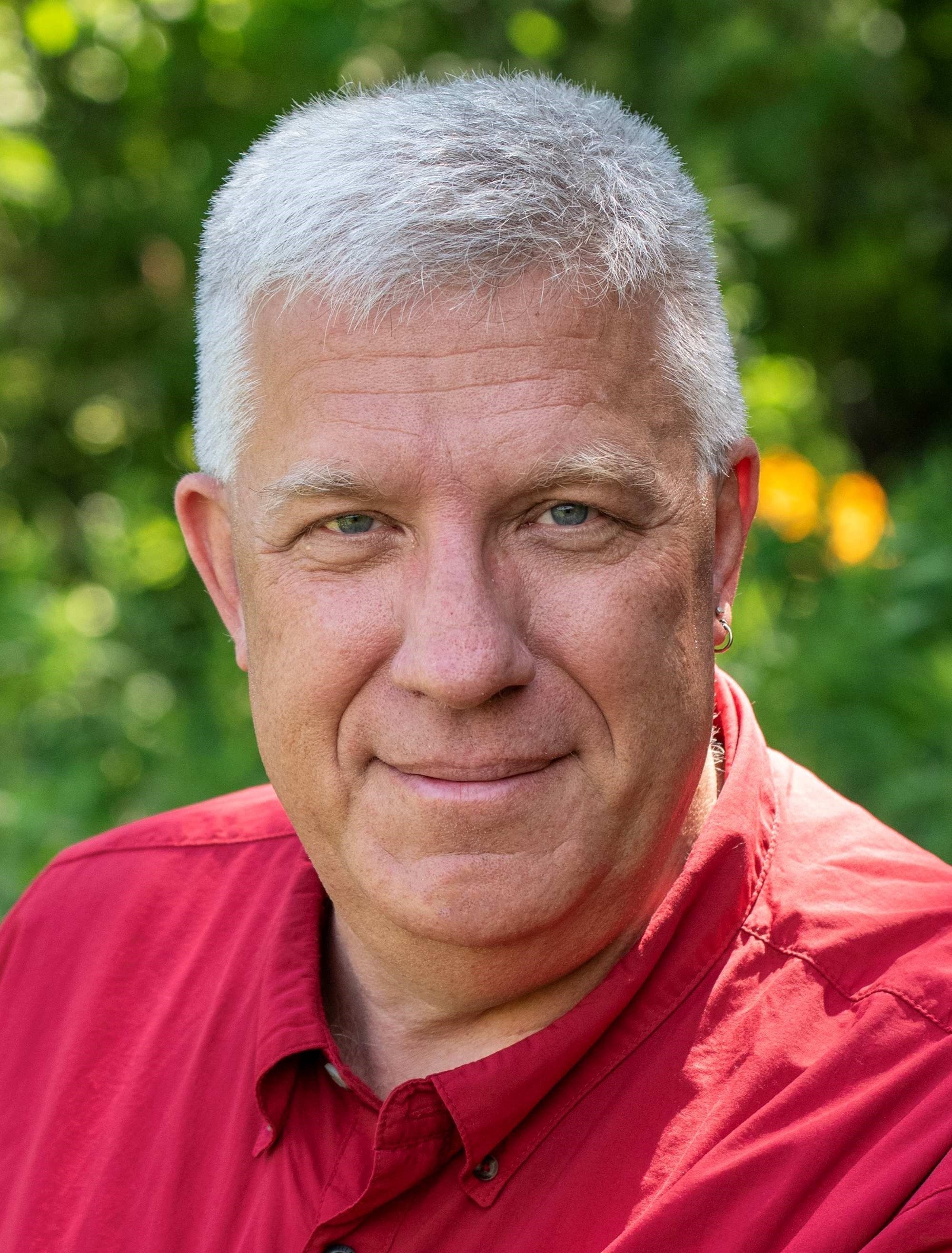
Rep. Tom Stevens | Gordon Miller photo
The most significant adjustment this year is the use of $5 million of state funds to protect the state’s reserve of Section 8 vouchers from further erosion, given anticipated program underfunding by the federal government. The state dollars are coming from funds set aside in the FY26 budget for the purpose of responding to disruptions to federal funding. These funds will ensure that Vermonters remain in and have access to affordable housing.
With the passage out of committee (and expected final passage the week before Town Meeting), we have focused on drafting the FY27 state budget. We have reviewed the Governor’s recommended budget, as well as budget requests from state agencies and departments, legislative policy committees, and Vermonters.
There are many aspects of the state budget that are standard annual expenses: we must pay for our state employees and their benefits, maintain state buildings and offices and keep our agencies and departments running. A much smaller portion of the budget goes to one-time, discretionary expenditures, which can include funding new initiatives, such as updating state computer systems or supporting programs like Vermonters Feeding Vermonters, Crop Cash, the Vermont Food Bank, Meals on Wheels and many others that bring benefits to Vermonters.
Vermont faces a number of challenges this fiscal year. The state has seen reductions to some federal funds, and uncertainty remains for many aspects of the federal budget. There are many cost pressures on the budget, including rising healthcare costs for state employees. Also, a recent downgrade to the state’s economic forecast shows the state’s revenues are growing slower than costs are increasing. We are not alone in this dilemma, but it is our dilemma to solve in the here and now with as much compassion and understanding as we can.
In light of these pressures, the legislature is focused on funding what are determined to be top priorities. Basic needs, such as food, housing, and healthcare, are top-of-mind for many in our state, and we know that the tariffs did a lot of damage to “affordability.” There are also long-term investments to be considered, such as road paving, bridge projects, and support for school reconstruction. Amidst these challenges, the Appropriations Committee is working to craft a fiscally responsible, balanced budget that will best serve the needs of Vermonters.
Human Services | Rep. Wood

Rep. Theresa Wood | Glenn Russell, VTDigger
In House Human Services, the first half of the 2026 legislative session has been highlighted by responding to crises created by the federal administration. Specifically, the General Assembly has passed H.545, a bill that authorizes the Department of Health to provide Vermont-based immunization schedules. Why is this important? Unfortunately, the federal Centers for Disease Control and Prevention has become a politicized organization and some of the information, particularly around immunization recommendations, is not based in sound science. Through this bill, Vermonters will be able to continue to receive scientifically recommended immunizations according to a Vermont-established schedule at no cost.
My committee is also charged with finding solutions to homelessness being experienced by 4,022 Vermonters, including 863 children. Many of these individuals and families are working citizens whose income has not kept pace with the cost of housing. These issues are being made worse by the decreasing access to federal Housing and Urban Development rental assistance vouchers. At the mid-point of the session, we continue to work on establishing a continuum of supports to help individuals and families experiencing homelessness.
Bills of Interest
Please note that reporting these bills does not mean they have passed into law. They have passed through committee and may be headed to the full House. If the bills pass there, they will move to the Senate.
Health Care
H.577 would launch a card, Array RX, that would enable Vermonters to pay discounted prices through a multi-state nonprofit consortium. It would be available to those with and without health insurance, and would count towards the deductible on health insurance plans.
H.270 is a bill that provides for confidential peer support for first responders.
H.541, an act relating to interference with voters and election officials. The bill creates a new criminal statute aimed at targeting those who would interfere with voters, election officials, or the electoral process in Vermont.
H.578, a bill relating to penalties and procedures for animal cruelty offenses. The law and infrastructure related to animal cruelty and the seizure of animals who have been abused are antiquated and under-supported in Vermont, and this proposes to make changes to protect animals against chronic abuse.
H.527, a bill to extend a streamlined process for siting telecom facilities, primarily cell phone and radio towers. This bill, now in the Senate, requires the Public Utilities Commission to recommend ways to make it easier for towns and the public to meaningfully participate in local siting decisions.
H.536 requires regular testing of baby food for heavy metals to ensure they do not exceed FDA limits, and sets up a process to make the testing results available to consumers. Several states have already enacted similar bipartisan legislation, though Vermont would lead the way by including infant formula.
Education
The House Education Committee has listened to critical testimony from superintendents, principals, and many other education stakeholders as the committee works to move forward on Act 73. And as they move forward, they are also considering the important work of the Commission on the Future of Public Education, and the hours of public input given to the Redistricting Task Force.

Reps. Stevens and Wood at Waterbury’s 2025 Town Meeting. Photo by Lisa Scagliotti
In addition to considering new school district boundaries, the committee is also considering the use of cooperative shared service areas as a means of cost savings for districts that simply don’t have enough scale to offer key services.
Several factors up for debate include whether the new district map will include a combination of supervisory unions and school districts, or be all one or the other. Each model has its own merits and drawbacks, which the committee continues to debate.
However, the goals of Act 73 are clear: fewer districts, minimum class sizes, and a streamlined educational system that benefits our students and bends the cost curve to slow down the rise in property taxes we all pay.
Vermont has seen a significant decline in enrollment in grades K-12 over the last several decades, while spending continues to rise. The committee’s challenge, therefore, is significant and will not be settled until the end of the session.
Ways and Means
Last year, lawmakers expanded Vermont’s Earned Income Tax Credit and Child Tax Credit. If you work a low-wage job and don’t have children, you may be able to get up to $400 more a year in refundable credits as cash back when you file your taxes. If you have a child under age 7, you may be able to get up to $1,000 back per child.
You may also be eligible for a credit on your property taxes when you file your homestead declaration.
Remember, you likely don’t need to pay to file; Vermont has volunteer tax preparers all over the state, ready to help you.
Go to TaxCreditsVT.org for more information about Vermont’s anti-poverty tax credits and how to file for them.
State Reps. Tom Stevens and Theresa Wood are both Waterbury Democrats representing the Washington-Chittenden legislative district, covering Waterbury, Bolton, Huntington and Buels Gore.
Stevens is a member of the House Appropriations Committee. Wood chairs the House Human Services Committee. Contact them at: tstevens@leg.state.vt.us and twood@leg.state.vt.us