
LETTER: Waterbury’s school came from consolidation – in 1898
September 1, 2026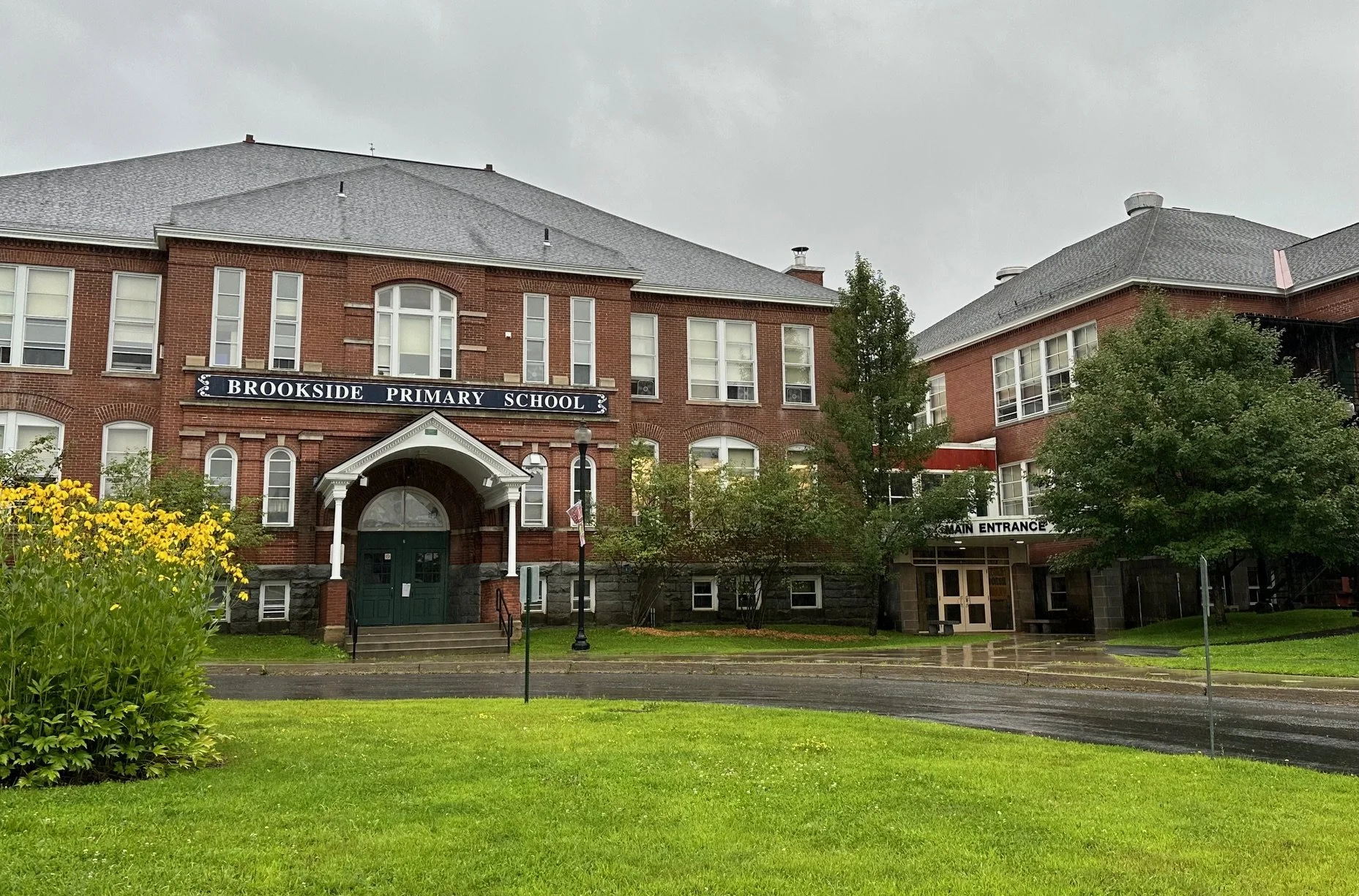
With more than 300 students, Brookside Primary is the Harwood school district's largest elementary school. File photo
To the Community:
As the Harwood Unified Union School District considers a consolidation plan that could close Brookside Primary School, I have been thinking about Waterbury's long history with school consolidation because we have been through versions of this before.
Waterbury established its first two school districts in 1791, divided by the Waterbury River (Little River). As the town grew and families settled farther from the village, more districts and neighborhood schools were created. By 1888, Waterbury had 16 common school districts and a separate graded school district in the village. Each had its own taxes, school committee and responsibility for operating its school.
Seventeen school districts in one town eventually stopped making sense. Maintaining so many small schools became difficult and inefficient, and over time they were consolidated. The school system changed along with Waterbury.
The school on Stowe Street was part of that evolution. Waterbury voters approved construction of the original building in 1898, and it opened the following year. Additions followed as the town grew. Eventually it housed both the graded school and Waterbury High School.
Consolidation continued. Waterbury High School closed when Harwood opened in the 1960s, and Waterbury students began traveling outside of town for high school. In the 1990s, Waterbury and Duxbury combined their elementary programs. Duxbury Elementary closed, Crossett Brook was built in Duxbury, and the Stowe Street school became Thatcher Brook Primary, now Brookside.
There were sound reasons behind many of those decisions. Communities change, enrollment changes, and school systems have to change with them. But at some point, we need to draw a line in the sand.
Brookside is now the last public school located in the Town of Waterbury. If it closes, Waterbury children would no longer attend a public school in their own town. Crossett Brook and Harwood are in Duxbury. A town that once supported 17 school districts would have none.
As a parent, I find that difficult to accept. I have two children who have attended Brookside. One is there now, and one went there when he was younger. I have seen what a community school offers children and families. There is value in young children going to school where they live, knowing their teachers and classmates as people they also see around town, and growing up with a sense that their school is part of their community.
Research on smaller schools has found benefits in many of these same areas, including stronger relationships between students and teachers, greater participation and a stronger sense of belonging.
My concern also comes from my work as a local historian and as Vice President of the Waterbury Historical Society. Brookside's place in this town goes far beyond the generations of children who have been educated there.
During the Great Flood of 1927, the school housed Waterbury families displaced by the flooding. Army and National Guard personnel who came to assist the town were housed there as well.
When Tropical Storm Irene devastated Waterbury in 2011, the same building again became a shelter and center of the community's response. Town offices temporarily operated there after the municipal building was flooded. During the July 2023 flood, Brookside again opened as an emergency shelter.
The building also serves as the home of Waterbury's Town Meeting, continuing its role as a place where the community gathers during moments both ordinary and extraordinary.
I understand the pressures facing our school district. Declining enrollment, staffing, aging buildings and property taxes are serious problems. I don't question the need to address them. What I question is whether closing more community schools should continue to be the answer.
Waterbury's history shows that consolidation can sometimes be necessary. It also shows where that path eventually leads. We have gone from schoolhouses scattered throughout Waterbury, to a centralized town school, to regionalized middle and high schools, and now to a proposal that would remove the last public school from the town altogether.
There needs to be a point where we say we have consolidated enough. Before closing Brookside, I believe the district should exhaust other options. That may mean difficult conversations about staffing, grade configurations, sharing services, administrative costs, building use, budgets or other ways of operating our schools. Those alternatives may not be easy. Neither is asking Waterbury to give up its last school.
For me, keeping Brookside open isn't about resisting change or preserving a building simply because it is old. It is about deciding what kind of community we want Waterbury to remain.
For more than two centuries, Waterbury has been a town with schools. For the last 127 years, almost half as long as Waterbury has existed, children have gone to school in the building on Stowe Street. That school has educated generations, sheltered families during floods, housed those who came to our aid, and provided a place for the town to gather and govern itself.
I believe a community the size of Waterbury should still have a school of its own, and while previous consolidations appear to have temporarily relieved issues of affordability, they clearly haven't solved the problem. We should look for another way before we give that up.
Ryan Geary
Waterbury
Ryan Geary is a parent and local historian. The views here are his own and not those of the Waterbury Historical Society where he serves as a volunteer and vice president of its Board of Directors.