
Rep. Stevens remembers Tropical Storm Irene: ‘Stay resilient’
September 1, 2026 | By Rep. Tom StevensAugust 28 has come and gone, and I missed taking a moment to remember and acknowledge the power of Tropical Storm Irene and what it did to our community and to our state.
Our family lucked out — our home sits on the highest point of Winooski Street, and while our backyard was full of water, it did not reach our basement. But many people in Waterbury Village were not lucky. Irene raced up the spine of the Green Mountains and left damage in its wake from Jamaica and Arlington to Waterbury and Richmond.
We listened to WDEV for flood updates throughout the evening and into the night. We took walks down to the river and watched it rise from the gloaming until midnight, when we heard that the river monitors east of us were starting to show a lowering of the flood levels. We nervously searched for updates on our computers, the radio on in the background. In a surreal moment, the lights went out and we were in the dark, except for the glow of our laptops and the sound of Eric Michaels talking us all through the devastation around us — by mid-evening all the East-West roads south of us were closed — and because the radio had batteries, his voice continued through the blackout because they, too, had a backup electrical source.
When we awoke, we surveyed the damage. Residents of Waterbury Center headed to work in Chittenden County may not have realized what happened downtown until they were headed north on Route 89 and saw the inundation on Route 2. Our newly opened fire station flooded, but had been built to withstand as much water as it took in. We started to hear of the chaos and heroism of state workers moving patients and prisoners from the Vermont State Hospital and the same for the employees of the Kirby House, who moved their residents to the Congregational Church, where they then lived under difficult conditions for over a week.
Our town manager, our select board, our town staff, our fire department, our police department, our public works staff, and our water system staff monitored the civic infrastructure in the immediate aftermath while experiencing an overturned oil tank in the town office, forcing an emergency move municipal staff to Thatcher Brook Primary School just days before the school year was to open.
And then, the people came. Our neighbors from Waterbury, from Bolton, from Stowe, from Burlington, from here and from away. Volunteers. Services. The Helpers, ready to do what we needed. For weeks, for months, for years.
Residents rebuilt as they could. Randall Street refused to cancel their annual Halloween celebration and the streets were full of people, strength, music, joy, candy and hope.
Candy and hope. That’s what can get us through anything.
There are many neighbors who did not live here then. They purchased or rented homes here, perhaps with the knowledge of what happened and how our community, our state, rose to the occasion and responded to the immense need. The more recent flooding in 2023 and 2024 showed that that spirit remains. Those who remembered led the response, and those who were experiencing their first flood jumped right in.
Liz and I moved to Waterbury with two small children in tow. It had been almost 70 years at that point since the flood of 1927. We were made aware of the history based on a photo we saw, showing a flood line on our home that reached the bottom of our second-floor windows. We knew that history intellectually. So when we listened to Roger Hill warn us on WDEV a week before the storm hit us that we might be in trouble (those oh-so-accurate European models!), we paid attention.
The easiest thing to say would be, “Everyone did their job,” and that would save me from forgetting anyone. But I’ll take that risk, and ask that you fill in the blanks in the comments.
The names that come trippingly off my tongue: Bill Shepeluk, Rebecca Ellis, Bob Butler, Pam Clapp, Karen Miller, John Grenier, Skip Flanders, Lefty Sayah, Natalie Sherman, Gary Dillon and the whole Waterbury Fire Department, Joby Feccia from the Waterbury Village Police, Alec Tuscany, Bill Woodruff, Celia Clark and their staffs, MK Monley, Don Schneider, Mame McKee, Liz Schlegel, Theresa Wood, Dave Kerr, Bob McNamara, Rob Hofmann, Peter Plagge.
There were so many others, from the state Hazmat team to itinerant volunteers from churches in Alabama and Mississippi.
All the restaurants that contributed food. To the businesses that donated generously to the Good Neighbor Fund, which helped so many people make ends meet when they lost their homes or their income. To the service providers in both the government and in the nonprofit world who did their best to address the mental health of a community, a state, in shock.
And the “bureaucracy” in state government who took my calls for help because I said I was from Waterbury. And to our peers in the State House who helped us advocate for Waterbury and taught us how to get those things done.
When I am sad about so much of the news these days, I remind myself of how this community rose up higher than the floodwaters and learned how to heal.
Many of us carry those memories and scars and grief, and are reminded when the waters rise again.
Please, if you need, take a moment to remember what happened, and what we did as a community, as a state, when we were all in trouble. I promise you it will feel warm, and you may drop a tear, and you may turn up a smile.
15 years. Peace to all. Stay resilient.
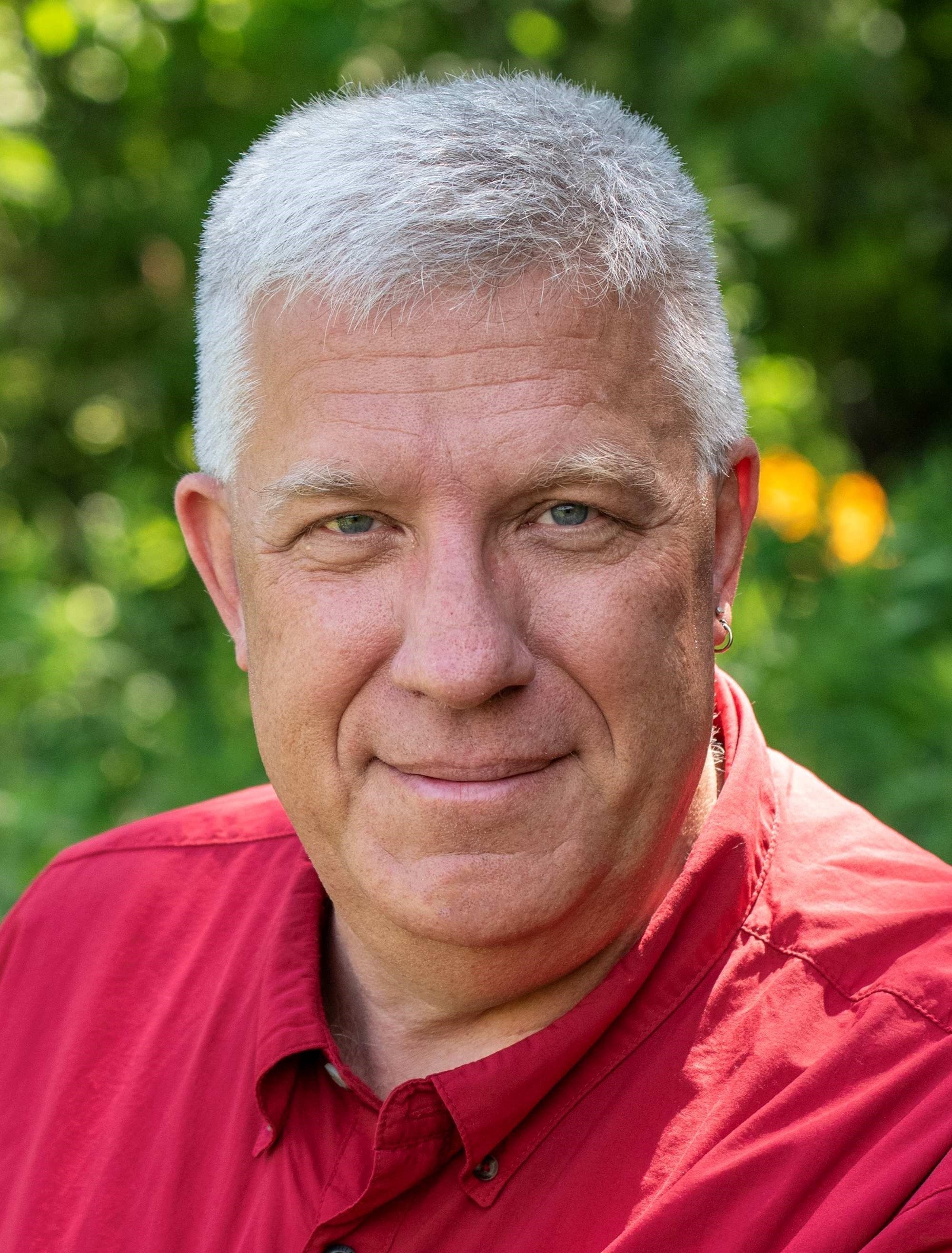
Rep. Tom Stevens, D-Waterbury, is one of two state representatives in the Washington-Chittenden House district covering Waterbury, Bolton, Huntington and Buel’s Gore. Thomas.Stevens@vtleg.gov