Op-Ed: Vermont's roads and bridges can't be a bargaining chip with the federal government
October 13, 2026 | By Sen. Richard Westman and Rep. Matt Walker
In a Vermont Public debate this summer, Amanda Janoo, now the Democratic nominee for governor, said she would support Vermont withholding federal taxes as “a bargaining chip” against Washington. When the moderator asked her to clarify, she confirmed it.
As the chairs of the Senate and House Transportation Committees, we think Vermonters should understand what that idea would mean for the roads they drive and the bridges they cross every day.
The first problem is practical. Vermont state government doesn't collect federal income taxes, so it has nothing to withhold. Every employer in Vermont knows how this works. Federal withholding comes out of each paycheck and goes directly from the employer to the IRS. Self-employed Vermonters pay the IRS themselves. The state is never in the middle.
The bigger problem is the math. Vermont doesn't subsidize the federal government. It's the other way around. According to the Rockefeller Institute of Government, in 2023 Vermont received $1.48 in federal spending for every dollar Vermonters paid in federal taxes. That's a net gain of about $3.6 billion, more than $5,500 for every person in the state. Vermont has come out ahead every year the Institute has measured.
This is especially true for Vermont's Transportation Fund. In the most recent budget, more than half of the Agency of Transportation's $935 million comes from federal funds. The Vermont gas tax, Department of Motor Vehicles fees, and the purchase and use tax on vehicles cover about a third of the money we spend on our roads. The rest is from the federal government.
Federal highway dollars generally pay 80% of an eligible project's cost, and 90% on the interstates. Vermont puts up the remaining share. That match is how a small state with a small tax base builds and maintains infrastructure it could never pay for alone.
This year's program includes 44 paving projects worth $148 million and 76 interstate and state highway bridge projects worth about $136 million. Most of that work depends on federal aid.
A standoff between Vermont and Washington hurts us, not them. Janoo's proposal is a self-inflicted wound that puts important work at risk. Federal transportation funding comes with conditions, and Congress and federal agencies have plenty of ways to hold it back from a state that stops meeting them. A state that gets back more than it sends has no leverage in that fight, only something to lose.
We learned after Tropical Storm Irene, and again after the floods of 2023 and 2024, how much Vermont depends on federal partnership when the roads wash out. That partnership is not a gift, and it's not charity. It's a system Vermonters have paid into and benefit from. Our job as legislators is to make sure Vermont gets every dollar it's entitled to and spends it well.
Real disagreements exist with Washington, and Vermonters are right to expect their leaders to stand up for the state. But standing up for Vermont means protecting the roads and bridges our constituents drive every day. Our transportation network is how children get to school, milk gets to market, ambulances reach patients, and workers reach their jobs. It should never be used as a bargaining chip.
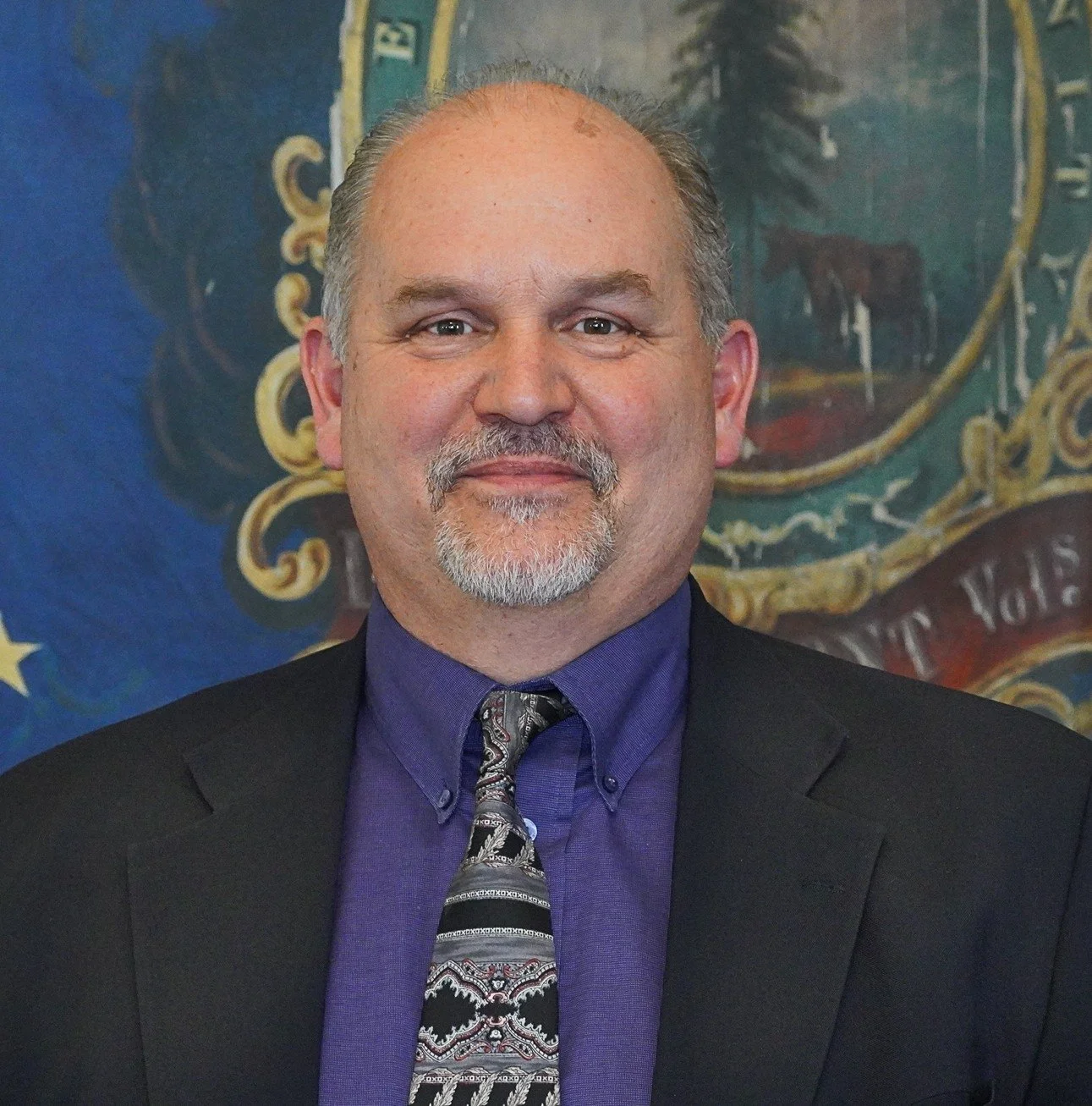

Sen. Richard Westman, R-Lamoille, is from Cambridge and chairs the Senate Transportation Committee. Rep. Matt Walker, R-Swanton, chairs the House Transportation Committee.